Business
Shifting Alliances and Resource Sovereignty: Sahel Nations Reshape Mining Sectors Amid Rising Anti-Western Sentiment
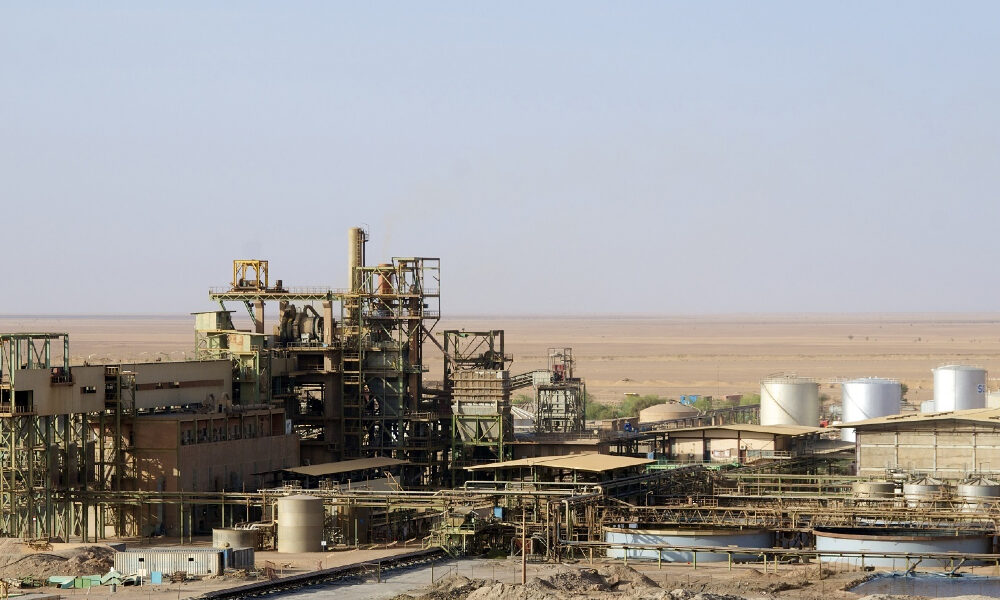
In a bold move that signals a broader realignment across the Sahel, Niger has granted copper mining rights to the local firm Compagnie Minière de l’Air (Cominair SA), positioning itself as a new player in the global copper market. The decision is part of a sweeping effort by Niger’s military-led government to diversify its mining portfolio and reduce reliance on foreign companies following the country’s July 2023 coup.
With copper trading at around US$9,700 per ton, the project is expected to create hundreds of jobs and generate substantial national revenue.
Adding momentum to this strategic pivot, another Nigerien company, Compagnie Minière de Recherche et d’Exploitation (Comirex SA), has been granted a permit to mine lithium in the mineral-rich region of Dannet. Lithium – a critical resource for rechargeable batteries and the global energy transition – could deliver an annual yield of 300 tons.
Significantly, the Nigerien state maintains equity stakes in both ventures: 25 percent in Cominair and 40 percent in Comirex, reinforcing government control over its mineral wealth.
These developments come amid a broader rejection of Western dominance in the region’s extractive industries. Once a leading global supplier of uranium – dubbed “white gold” – Niger has suspended operations and revoked licenses held by French nuclear energy firm Orano and Canada’s GoviEX.
Under the leadership of junta head General Abdourahamane Tchiani, the country is distancing itself from former colonial ties, particularly France, in favor of a more self-directed economic path.
The sentiment is not confined to Niger. Mali, which experienced a coup in 2021, is aggressively pursuing lithium development and has welcomed Chinese investment to advance its green energy agenda. Meanwhile, Burkina Faso – Africa’s fourth-largest gold producer – is leveraging its gold reserves while actively seeking to renegotiate terms with Western mining companies to increase state revenues.
Together, Niger, Mali, and Burkina Faso are rich in untapped reserves of uranium, gold, copper, phosphate, and oil. Now, with their withdrawal from the Economic Community of West African States (ECOWAS), these nations have formed a new regional bloc: the Alliance of Sahel States.
This alliance is not just political – it is a declaration of intent to reclaim resource sovereignty and reshape international partnerships on more equitable terms.
“The conditions were dictated unilaterally by Western countries,” said Seidik Abba, head of the Paris-based CIRES think tank. He noted that frustration with decades of one-sided deals and unfavorable raw material pricing has fueled the region’s new direction.
Mali’s recent push to raise royalties and taxes on mining giants like Canada’s Barrick Gold underscores this shift. With an estimated 66 tons of gold output in 2022, Mali remains a linchpin in Africa’s gold industry.
Burkina Faso is reportedly considering similar fiscal reforms to capitalize on its own mining sector.
Collectively, these moves represent more than just a regional realignment – they mark a reassertion of autonomy. As anti-Western sentiment grows, the Sahel’s resource-rich nations are charting a new course – one defined by national ownership, strategic partnerships, and a renewed determination to control their economic destinies.