A Diaspora View of Africa
Sahel/West Africa Extremist Fight Not Going Well


By Gregory Simpkins
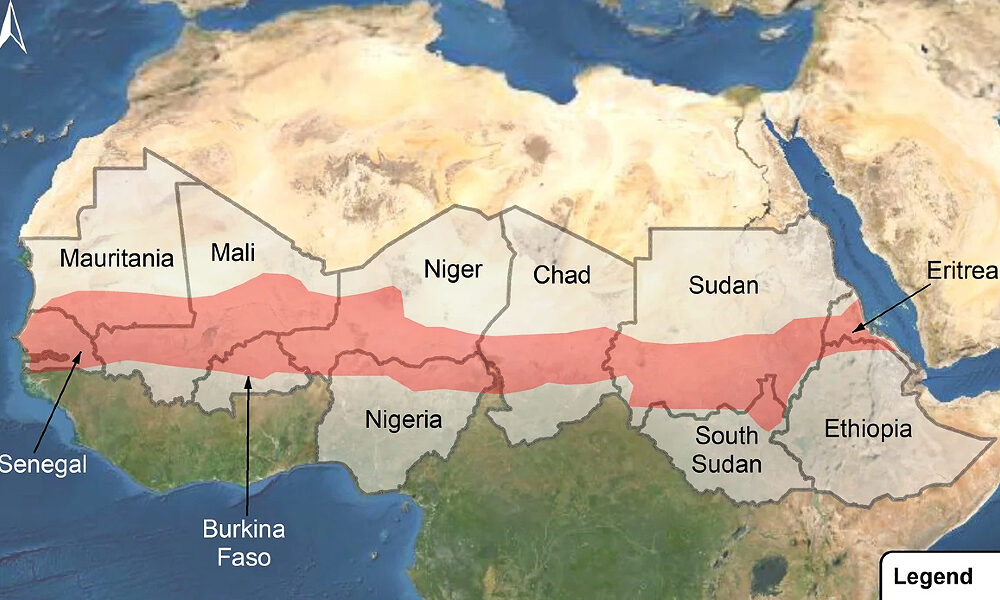
The wave of coups in Africa’s western region, including the Sahel, offered hope that Pan-Africanism had taken hold and that neocolonial powers, notably France, were being ousted and multinational companies dominating resource extraction were being replaced by national interests. This was seen by many as an unexpected benefit of the overthrow of elected governments, but it hasn’t turned out as expected thus far.
According to the Organization for World Peace in an November 8, 2023 report, Africa is the region with the most coups in the world, with 220 attempted and failed coups between 1950 and 2023, accounting for 44 percent of the world’s attempted coups. Sudan tops the list with 17 coups since 1950; Burundi is second with 11; Ghana and Sierra Leone are third with 10 attempted coups each.
The majority (58 percent) of Africa’s coups occurred in the West African and Sahel region.
Widespread Corruption Weakens Trust in Civilian Governments
There are three main coup triggers: government corruption, the security crisis in the region, and constitutional crises.
Government corruption is common all over the world, but in Africa and especially in the Sahel region, corruption in the government has deeply affected many aspects of life. Government officials are often accused of embezzling public funds and of nepotism.
In Niger, more than $100 million of public money was reported to be lost in a series of potentially corrupt international arms deals. In Mali, former president Ibrahim Boubacar Keïta was known for nepotism, as he appointed family members in key government positions such as his son, Karim Keïtam, who was appointed to President of the National Assembly Defense Committee.
Burkina Faso’s former Minister of Transport, Vincent Dabilgou, was found guilty, sentenced to 11 years in prison, and fined 3.3 billion FCFA (4.7 million euros) for “embezzlement of public funds,” (including 1.12 billion FCFA, or around 1.7 million euros), “illicit enrichment,” and “money laundering,” according to Africanews. These kinds of activities intensified poverty, causing nationwide protests and public dissatisfaction.
However, the most disruptive effect was leaving the army ill-equipped against insurgencies.
Military Frustration and the Security Vacuum
The Sahel region has been stricken with a long history of instability. For example, Mali has been fighting Islamist militants in the country for more than 10 years.
Likewise, Burkina Faso has fought for eight years against groups allied to both al-Qaeda and I.S.I.L. (I.S.I.S.), and Niger has been fighting insurgents from neighboring countries including Boko Haram since 2015. Moreover, Boko Haram is also operating in the Lake Chad Basin at the intersection of Cameroon, Chad, Niger, and Nigeria.
Unfortunately, due to the lack of support from governments, the armies found themselves ill-equipped against these insurgencies. This lack of support led to many casualties on the front lines, adding to the army’s frustrations and motive to overthrow the government.
Mali has also been haunted by defense spending scandals for an extended period. Junior soldiers in Mali often accuse officers of stealing money “to swagger in the drawing rooms of Bamako.”
These scandals involve the embezzlement of funds, inflated prices, and the purchase of helicopters that were never put into operation.
“Burkina Faso’s army is profoundly ill-equipped and unprepared for the war it’s asked to fight. It’s out of its depth. Its frustration with an equally out-of-its-depth government is understandable,” said Michael Shurkin, a former political analyst at the C.I.A. and director of global programs at 14 North Strategies, according to the Organization for World Peace.
In Mali, the army in 2019 was described as “catastrophic” by former security adviser Gakou, as quoted by the organization. He further stated that “the defense minister while visiting at the end of 2019 learned that the soldiers did not have water in the camp,” highlighting the lack of support the army received from the government.
Constitutional Manipulation and Popular Uprisings
Another coup trigger that has been common not only in the Sahel region but in most of Africa is the attempt from African leaders to run for a third term by manipulating constitutional amendment processes, committing electoral fraud, and suppressing oppositions. In Mali, the ruling party’s efforts to manipulate the outcome of the 2020 parliamentary elections in favor of candidates backed by the president resulted in protests demanding the government’s resignation.
Following a prolonged stalemate, the military capitalized on the situation and orchestrated a coup in August 2020.
The same pattern has been seen in Guinea, where the September 2021 military coup occurred as a result of a lengthy political crisis which was initiated by President Alpha Condé’s attempt to remove term limits and seek a third term in office through a constitutional referendum in March 2020. This move led to boycotts from opposition and civil society groups when Condé was re-elected amidst violent clashes between protesters and security forces, resulting in numerous fatalities.
Less than a year after his controversial re-election, a coup removed him from power. In short, corruption in government and within the army has been the root cause of coups in the Sahel region, causing nationwide protests and an ill-equipped army to defend its borders.
This should be taken into consideration and necessary measures should be taken to address the issue.
Citizens in the region have become increasingly discontent with how they are governed:
Combating extremist attacks in Africa requires a multifaceted approach, involving African governments, regional cooperation, and international support. Here’s an assessment of the effectiveness of various security measures:
African Governments’ Efforts
Regional Cooperation: African governments have recognized the importance of regional cooperation in combating terrorism. Initiatives like the Multinational Joint Task Force in Chad and the African Union Support and Stabilization Mission in Somalia (AUSSOM) have shown promise in promoting peacebuilding and socioeconomic development in post-conflict settings.
Development-Focused Counter-Terrorism: The African Union’s approach to development-focused counter-terrorism aims to address the root causes of terrorism, such as poverty, unemployment, and marginalization. This approach has been reflected in initiatives like the Economic Community of West African States’ (ECOWAS) counter-terrorism action plan, which includes programs to promote cultures and morals through religious and traditional institutions.
Challenges: Despite these efforts, many African countries continue to face significant challenges in combating terrorism, including limited resources, corruption, and weak governance.
Russian Security Measures
Support for Fragile Regimes: Russia has been expanding its influence in Africa by offering security assistance to fragile regimes. However, this approach has raised concerns about the potential for Russian interests to undermine regional stability and perpetuate authoritarianism, as well as collateral damage to innocent civilians.
Limited Impact: There is limited evidence to suggest that Russian security measures have had a significant impact on reducing extremist attacks in Africa.
Chinese Security Measures
Bilateral Cooperation: China has engaged in bilateral counter-terrorism cooperation with several African countries, including joint exercises with Kyrgyzstan and Serbia. China has also held counter-terrorism meetings with the UK and US.
Regional Initiatives: China participates in regional security initiatives, such as the Shanghai Cooperation Organization (SCO), which aims to promote cooperation on security issues, including counter-terrorism.
Concerns about Human Rights: China’s human rights record has impeded assistance from Western countries, limiting the effectiveness of its counter-terrorism efforts.
Effectiveness and Challenges
Mixed Results: The effectiveness of security measures in combating extremist attacks in Africa has been mixed. While some initiatives have shown promise, the region continues to experience a high number of terrorist attacks and related fatalities.
Key Challenges: Addressing the root causes of terrorism, such as poverty, unemployment, and marginalization, remains a significant challenge. Additionally, improving governance, promoting regional cooperation, and enhancing international support are crucial to effectively combating extremist attacks in Africa.
Extremist actors in the Sahel have migrated southeast to coastal areas in West Africa. Currently, the fight against extremism focuses more on protecting governments than in eradicating extremist behavior, which does not bode well for future success in combating extremist violence.
It is for certain a complex matter, but there seems to be little progress in addressing this situation.
Gregory Simpkins, a longtime specialist in African policy development, is the Principal of 21st Century Solutions. He consults with organizations on African policy issues generally, especially in relating to the U.S. Government. He further acts as a consultant to the African Merchants Association, where he advises the Association in its efforts to stimulate an increase in trade between several hundred African Diaspora small and medium enterprises and their African partners.