News
Rwanda: Thirty years since genocide, scars still remain
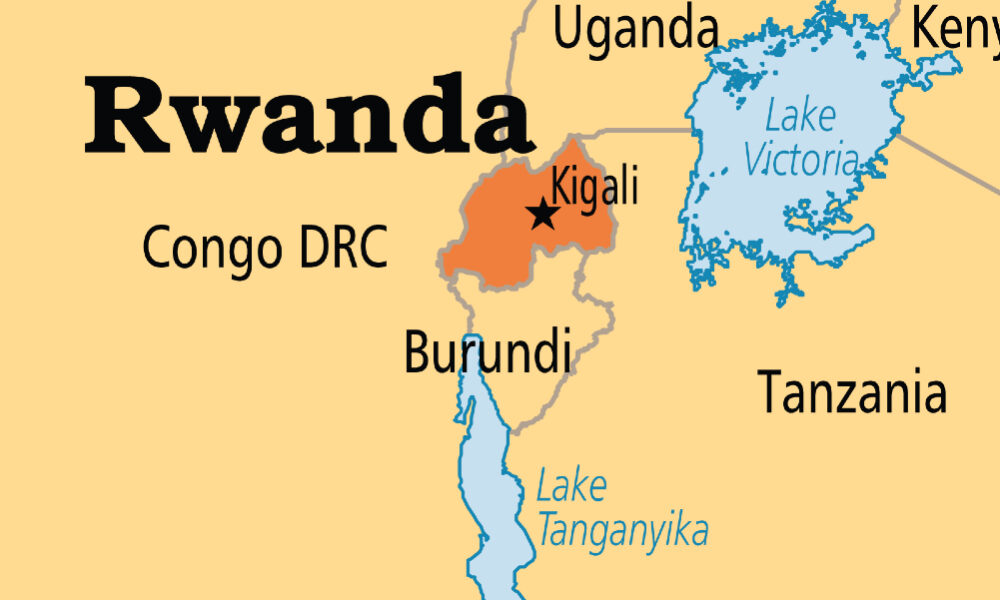
AP | Rwandans are commemorating 30 years since the genocide in which an estimated 800,000 people were killed by government-backed extremists, shattering the small East African country that continues to grapple with the horrific legacy of the massacres.
Rwanda has shown strong economic growth in the years since, but scars remain and there are questions about whether genuine reconciliation has been achieved under the long rule of President Paul Kagame, whose rebel movement stopped the genocide and seized power.
Kagame, who is praised by many for bringing relative stability, but vilified by others for his intolerance of dissent, led sombre commemoration events on Sunday in the capital, Kigali.
Kagame lit a flame of remembrance and laid a wreath at a memorial site holding the remains of 250,000 genocide victims in Kigali.
The killings were ignited when a plane carrying then President Juvénal Habyarimana, a Hutu, was shot down over Kigali. The Tutsis were blamed for downing the plane and killing the president. and became targets in massacres led by Hutu extremists that lasted over 100 days in 1994. Some moderate Hutus who tried to protect members of the Tutsi minority were also killed.
Rwandan authorities have long blamed the international community for ignoring warnings about the killings, and some Western leaders have expressed regret.
Former US President Bill Clinton cited the Rwandan genocide as a failure of his administration. French President Emmanuel Macron, in a prerecorded video ahead of Sunday’s ceremonies, said on Thursday that France and its allies could have stopped the genocide but lacked the will to do so. Macron’s declaration came three years after he acknowledged the “overwhelming responsibility” of France – Rwanda’s closest European ally in 1994 – for failing to stop Rwanda’s slide into the slaughter.