News
Peace on the horizon as Central African Republic reaches peace deal with rebels
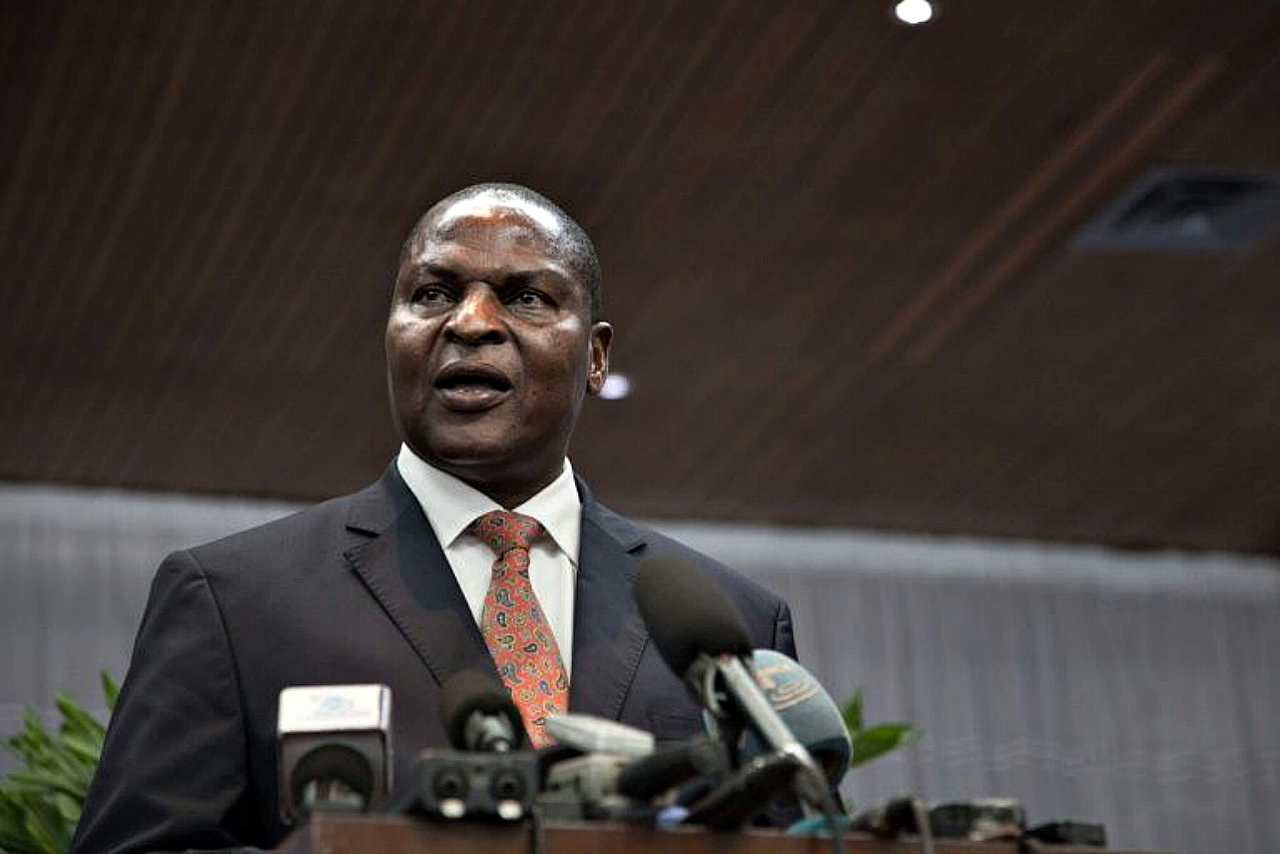
AFP | The Central African Republic government and 14 armed groups struck a deal Saturday to end years of fighting that has killed thousands, the parties and a mediator said.
The deal, was announced on Twitter by the government of President Faustin-Archange Touadera just a day after the African Union (AU) and UN-sponsored talks in Khartoum were suspended amid disagreements over amnesty.
“A peace agreement has been reached,” said the tweet.
“This agreement should be initialled tomorrow (Sunday) and its signing will take place in Bangui in a few days,” the Tweet added.
Also on Twitter, African Union Commissioner for Peace and Security Smail Chergui confirmed the breakthrough, adding some details of the pact still had to be ironed out.
“I am humbled to announce that with the exemplary cooperation I received from both the Government of the Central African Republic (CAR) and the 14 armed groups, we have secured a peace agreement today in the interest of the people of CAR.”
Aboubakar Sidik, spokesman for one of the main armed factions, the Popular Front for the Rebirth of Central African Republic (FPRC) said: “We are happy a consensus has been reached on sticking points which were an amnesty for militia fighters and an inclusive government.”
The talks, which started on January 24, were suspended repeatedly over several issues including rebel demands for an amnesty.
The armed groups also wanted the dissolution of the present government in favor of an interim regime led by someone from their side, according to a document obtained by AFP.
Under international pressure, Bangui has always refused pardons for the orchestrators of the conflict, several of whom are under UN sanctions or cited for human rights violations in UN reports.
None of the earlier accords struck between the parties have managed to restore stability.
The country has more than 12,000 UN peacekeepers (MINUSCA) in the country. But rights group Amnesty International has criticized their failure to stop a rebel attack that killed scores of civilians at a displacement camp in the central town of Alindao last November.
The CAR has struggled to recover from a 2013 civil war that erupted when President François Bozize, a Christian, was overthrown by mainly Muslim Seleka rebels. In response, Christians, who account for about 80 percent of the population, organized vigilante units dubbed “anti-Balaka” in reference to the balaka machetes used by Seleka rebels.
Over 700,000 have been internally displaced, and another 570,000 have fled abroad.