Owusu on Africa
Owusu on Africa: Oil, gas, mining sector audit in Senegal revealing a major problem in Africa


By Fidel Amakye Owusu
Several months ago, Philip Reynolds, PhD, a friend and former co-editor of The Defence Horizon Journal, with whom I have collaborated on peer-reviewed papers and anticipate further publications, approached me regarding the tumultuous political situation in Senegal, particularly inquiring about the obstinacy of then-incumbent Macky Sall.
Reynolds, had also graciously hosted me for an academic lecture in March.
During our discussions, I elaborated on one of the significant factors often complicating Africa’s political landscape: the influence of natural resources and politicians’ efforts to control their exploitation deals.
This tendency often leads incumbents to cling to power, driven by the desire for long-term personal economic gains from such deals and a wish to maintain political control even after leaving office.
But what does this mean for Senegal?
My explanation shed light on the turbulent atmosphere preceding the recent elections, which eventually resulted in a change of leadership. Senegal, boasting one of the largest recent discoveries of oil and gas in Africa, found itself in a pivotal position.
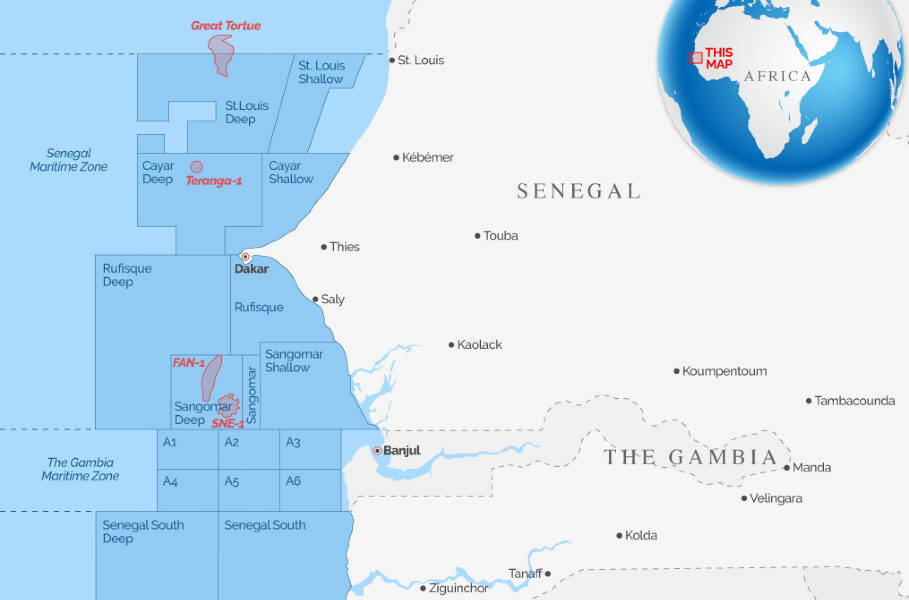
In recent months, the country has been poised to become one of the fastest-growing economies in West Africa, largely due to the development of its oil and gas fields. Furthermore, Senegal’s strategic location positions it as a crucial alternative gas supplier for Europe, particularly amid efforts to reduce dependency on Russian gas.
These promising prospects, coupled with Senegal’s historically stable political climate, have attracted significant investor interest. However, the country’s ruling elites, led by the former president, were reluctant to let go of this lucrative opportunity, as corroborated by insights from my HUMINT and OSINT sources.
When the president postponed the elections to December earlier in the year, it became evident that his motives extended beyond merely favoring his preferred candidate; the resource factor played a pivotal role in this decision.
Upon assuming office as the country’s youngest president, the new leader wasted no time in announcing an audit of the country’s oil, gas, and mining deals. Such a bold move is likely to unsettle the departing elites who may have profited from these agreements.
Additionally, corruption was a key issue in the opposition’s campaign, resonating strongly with Senegal’s predominantly youthful population eagerly anticipating immediate action from the new administration led by President Faye and his dynamic prime minister.
As the new administration tackles corruption allegations head-on, it remains to be seen whether the principle of “innocent until proven guilty” will prevail in these endeavors.
Fidel Amakye Owusu is an International Relations and Security Analyst. He is an Associate at the Conflict Research Consortium for Africa and has previously hosted an International Affairs program with the Ghana Broadcasting Corporation (GBC). He is passionate about Diplomacy and realizing Africa’s global potential and how the continent should be viewed as part of the global collective.