News
Obama to make historic visit to Cuba in March
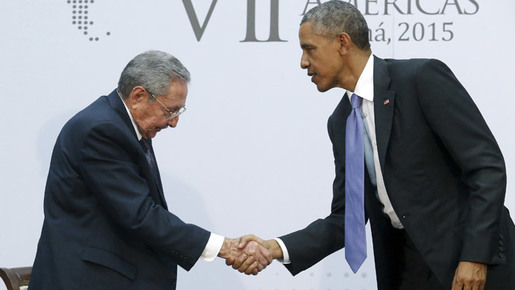
U.S. President Barack Obama will pay a historic visit to Cuba on March 21 and 22, senior Obama administration officials said Wednesday, becoming the first president to set foot on the island in nearly 7 decades.
The brief visit in mid-March will mark a watershed moment for relations between the United States and Cuba, a communist nation estranged from the United States for half a century until Obama and Cuban President Raul Castro moved to re-launch more than a year ago. Since then, both countries have reopened embassies in Washington and Havana and moved to restore commercial air travel, with a presidential visit seen as a key next step toward bridging the divide.
Obama’s stop in Cuba will part of a broader trip to Latin America that the president will take next month, said White House officials.
Though Obama had long been expected to visit Cuba in his final year, word of his travel plans drew immediate resistance from opponents of warmer ties with Cuba – including Republican presidential candidates.
Texas Senator Ted Cruz, whose father fled to the U.S. from Cuba in the 1950s, said Obama shouldn’t visit while the Castro family remains in power. Florida Senator Marco Rubio, another child of Cuban immigrants, lambasted the president for visiting what he called an “anti-American communist dictatorship.”
With less than a year left in office, Obama has been eager to make rapid progress on restoring economic and diplomatic ties to cement the rapprochement with Cuba that his administration started. Following secret negotiations between their governments, Obama and Castro announced in late 2014 that they would begin normalizing ties, and months later held the first face-to-face meeting between an American and Cuban president since 1958.
But Obama, facing steadfast opposition to normalized relations from Republicans and some Democrats, has been unable to deliver on the former Cold War foe’s biggest request: the lifting of the U.S. economic embargo. Opponents argue that repealing those sanctions would reward a government still engaging in human rights abuses and stifling of democratic aspirations.
Obama and supporters of the detente argue the decades-old embargo has failed to bring about desired change on the island 145 kilometers (90 miles) south of Florida. Still, while Obama has long expressed an interest in visiting Cuba, White House officials had said the visit wouldn’t occur unless and until the conditions were right.
“If I go on a visit, then part of the deal is that I get to talk to everybody” – including political dissidents, Obama told reporters in December. “I have made very clear in my conversations directly with President Castro that we would continue to reach out to those who want to broaden the scope for, you know, free expression inside of Cuba.”
Officials didn’t immediately specify what had changed in the last few weeks to clear the way for the trip, first reported by ABC News. But on Tuesday, the 2 countries signed a deal restoring commercial air traffic as early as later this year, eliminating a key barrier to unfettered travel that isolated Cuban-Americans from their families for generations.
Hundreds of thousands more Americans are expected to visit Cuba per year under the deal, which cleared the way for the U.S. Department of Transportation to open bidding by American air carriers on as many as 110 flights a day. Currently, there are about one-fifth as many flights operating between the 2 countries – all charters.
For Obama, the diplomatic opening with Cuba reflects one of the crowning achievements of a foreign policy rooted in a belief that the U.S. should test opportunities to ease hostilities with its historical enemies. Last month, the Obama administration lifted economic sanctions against Iran’s nuclear program, following a diplomatic deal that has raised hopes about warmer ties between the U.S. and Iran. Yet those achievements have been offset by deepening security challenges in Iraq, Syria, Libya and elsewhere as Obama nears the end of his term.
President Harry Truman visited the U.S.-controlled Guantanamo Bay on the southeast end of the island in 1948, and former President Jimmy Carter has paid multiple visits to the island since leaving office. No sitting president has visited Havana since President Calvin Coolidge traveled there in 1928.
Source: Associated Press