Opinion
No Farmers, No Food, No Future: Why Africa Must Invest in Agriculture Now


By Ajay Wasserman
Africa is home to 60 percent of the world’s uncultivated arable land – yet it spends more than US$60 billion annually importing food. This isn’t just an economic contradiction; it’s a profound strategic failure.
At a time when global supply chains are increasingly fragile and climate volatility is the new normal, this paradox demands urgent attention.
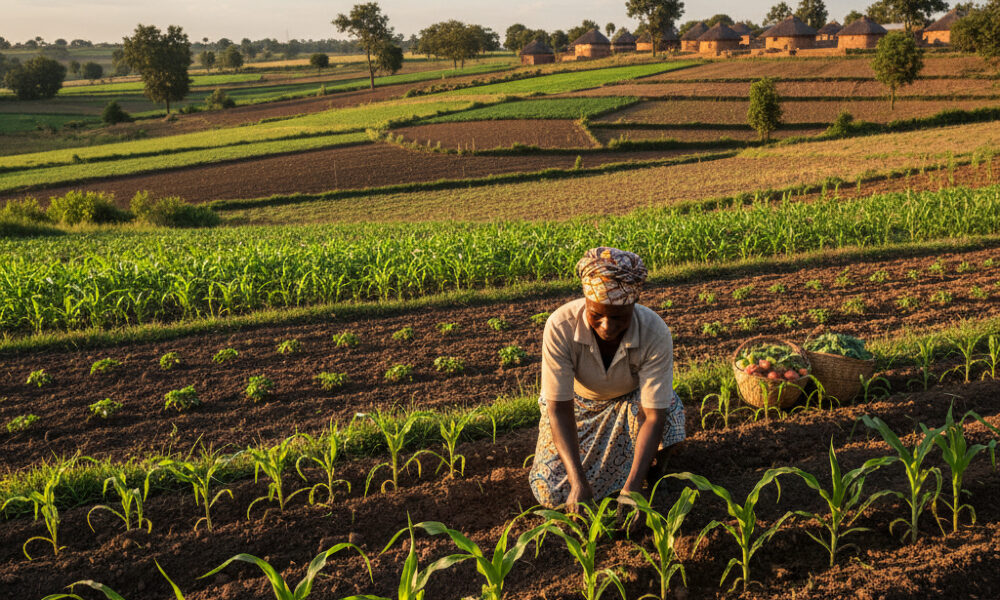
At the heart of the issue are Africa’s farmers – often overlooked, chronically underfunded, yet undeniably indispensable. They do far more than grow crops.
They nourish communities, anchor rural economies, preserve indigenous knowledge, and safeguard national sovereignty. In truth, without food security, there can be no genuine independence.
Systemic Barriers Holding African Farmers Back
Yet today’s African farmer contends with a perfect storm of systemic challenges:
- Climate shocks – from prolonged droughts to unpredictable floods – are intensifying, threatening yields and livelihoods alike.
- Inadequate infrastructure – from crumbling rural roads to unreliable energy grids – hampers access to markets and inputs.
- Limited financial inclusion leaves smallholder farmers, who produce up to 80 percent of the continent’s food, without credit, insurance, or digital tools.
- Post-harvest losses soar as high as 40 percent in some regions, not due to poor harvests, but because of insufficient storage, processing, and logistics.
- And critically, a generational disconnect: with over 60 percent of Africa’s population under 25, too many young people view farming as a relic of the past – not as a dynamic, tech-enabled career path brimming with opportunity.
But what if we reimagined agriculture not as a subsistence activity, but as a high-growth, innovation-driven sector?
Unlocking Africa’s Agricultural Potential Through Innovation and Investment
Imagine a future where:
- Solar-powered smart irrigation systems boost yields while conserving water.
- AI-driven weather forecasting and mobile advisory platforms empower even the most remote smallholders with real-time insights.
- Regional agro-processing hubs transform raw produce into value-added goods, keeping wealth – and jobs – within Africa.
- Digital marketplaces connect farmers directly to consumers, cutting out middlemen and increasing incomes.
Getting agriculture right unlocks a cascade of benefits:
- Food sovereignty – ending reliance on volatile global imports.
- Massive job creation – agriculture remains Africa’s largest employer and holds untapped potential for youth employment.
- Industrialization – through agro-processing, packaging, and logistics.
- Export competitiveness – by turning raw commodities into branded, high-value products for global markets.
This is why food security must be reframed not merely as an agricultural issue, but as a core pillar of national and continental security. A nation that cannot feed itself is vulnerable – to price shocks, geopolitical pressure, and social unrest.
The path forward requires bold policy shifts, private-sector partnerships, and a cultural reset that celebrates farming as a profession of innovation, dignity, and impact. It demands investment not just in land, but in people – especially the next generation of agripreneurs.
Africa stands at a crossroads. We can continue importing food while our fertile lands lie fallow – or we can choose to back the hands that feed us. Our future depends on it.
Ajay Wasserman is the Group CEO and Chief Investment Officer of Fio Capital Group, a private family office and investment holding company based in Pretoria. Focused on empowering entrepreneurs and fostering sustainable growth, he believes the future success of global economies depends on the innovation and leadership of private entrepreneurs and businesses.