News
Nkosazana Dlamini-Zuma inaugurated as Chairperson of the African Union Commission
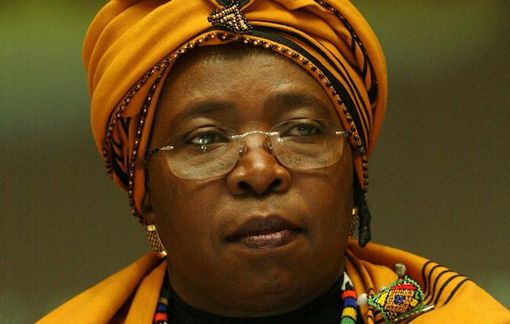
Nkosazana Dlamini-Zuma., the new Chairperson of the African Union. PHOTO/File
South Africa’s Nkosazana Dlamini-Zuma took over as head of the African Union Commission Monday, becoming the first woman at the helm of the pan-African bloc’s executive committee. The inauguration ceremony was held in the Ethiopian capital of Addis Ababa.
Ms. Dlamini-Zuma, 63, vowed to address the continent’s hotspots, including ongoing conflict in Mali and the resurgence of Islamist extremists in the Sahel, while working to promote Africa’s growing economic clout.
Dlamini-Zuma also vowed to support political transition in Somalia, where a new president was elected last month, and promised to address unrest in eastern DR Congo.
Dlamini-Zuma, was until her African Union appointment, South Africa’s home affairs minister, beat the incumbent, Jean Ping of Gabon, in a close election in July.
She is the first person from the predominantly English-speaking southern African region to hold the top Commission job since the African Union was created a decade ago.
Some observers had feared her appointment would create divisions between French and English speaking countries on the continent, but she has insisted that she would work with all parties in the 54-member bloc.
In addition to prioritizing peace and security, the new chair also promised to support economic development and women’s rights, and boost health and education on the continent.
The handing over ceremony was attended by the outgoing commission chair, Jean Ping, and Ethiopia?s new Prime Minister Hailemariam Desalegn, who addressed the African Union for the first time since the death of the late leader Meles Zenawi.
A medical doctor by training and a veteran of the fight against apartheid, Dlamini-Zuma has also served as South Africa’s health and foreign minister.
Born January 27, 1949, in the eastern KwaZulu-Natal province, Dlamini-Zuma took up politics in high school. In the 1970s she went into exile, and studied in Britain at the universities of Bristol and Liverpool, while helping organize the anti-apartheid movement overseas.
When the ban on the African National Congress was lifted in 1990, she returned home. After the first democratic elections she was tapped by Mandela to transform the country’s segregated health system.
She is remembered for introducing legislation that overhauled the discriminatory system and gave the poor access to free basic care.