News
Nigeria officially in recession – as economy contracts in both 1st and 2nd quarters of 2016
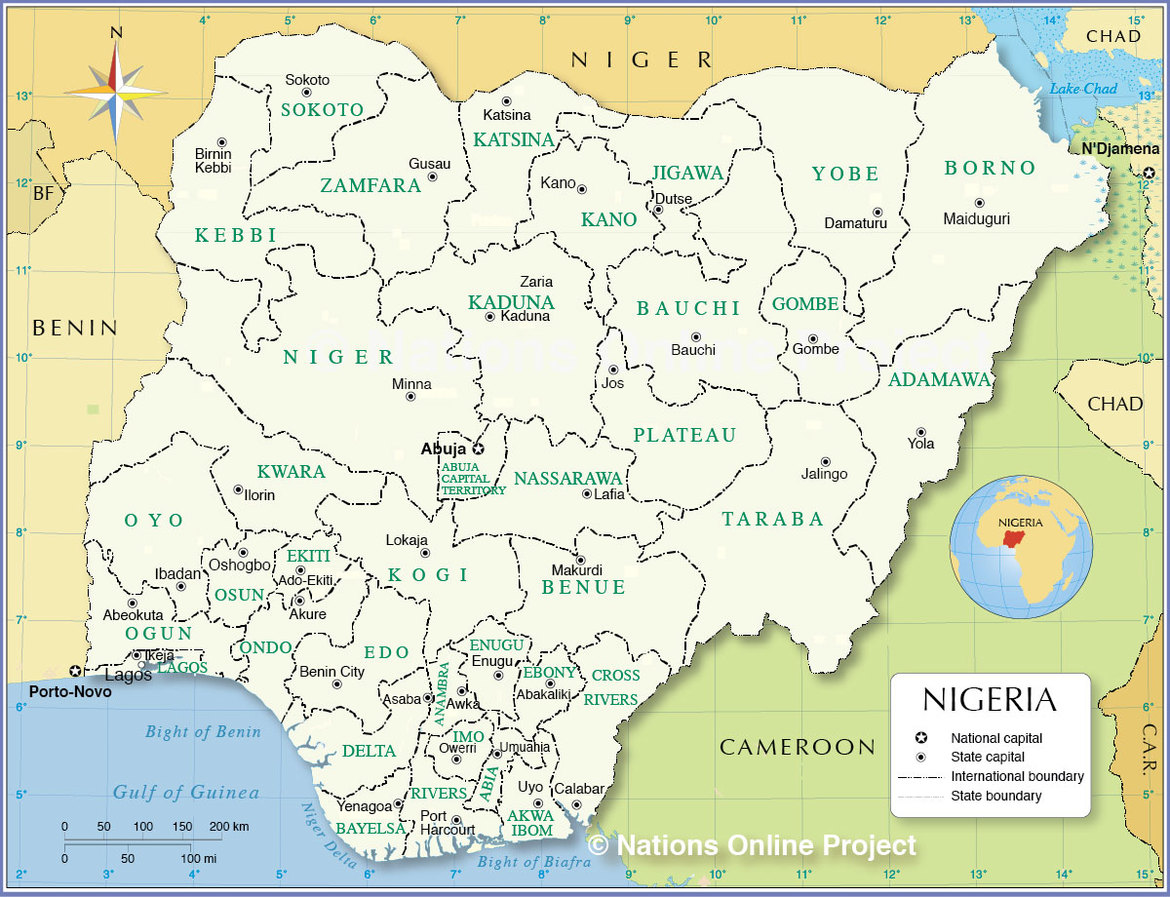
Nigeria – Africa’s biggest economy is officially in recession.
Nigeria released data on Wednesday showing its gross domestic product declined by 2.06 percent in the second quarter of the year. The economy also declined by 0.36 percent in the first quarter.
Nigeria has been slammed by low oil prices and foreign currency shortages.
The bleak data was “mostly due to a sharp contraction in the oil sector due to huge losses of crude production” resulting from vandalism and “sabotage,” an economic adviser to President Muhammadu Buhari, Adeyemi Dipeolu, said in a statement.
The new data from the National Bureau of Statistics put estimated oil production at 1.69 million barrels per day, down by 0.42 million barrels per day from the first quarter.
Nigeria’s non-oil sector also declined by 0.38 percent, and analysts stressed that the country’s problems are broader than oil.
According to economists, almost all key sectors of the economy are now struggling.
Many of the declines, apart from the oil sector, were due to Nigerian government policy, local economists have argued. The Buhari administration has been criticized for insisting the Central Bank defend the naira at a fixed rate of 197 to the U.S. dollar before finally floating the currency in June.
Economists have also cited import restrictions that have harmed manufacturing and foreign exchange policies that have discouraged investment.
“The Nigerian economy contracted more deeply than we had expected in the second quarter,” said Razia Khan, chief economist for Africa at Standard Chartered bank.
“With a wider current account deficit it remains important for Nigeria to maintain a credible policy response, in order to attract much-needed stabilizing inflows,” she added.
The statistics bureau said the US$647.1 million of capital imported into Nigeria during the second quarter, a provisional figure, “would be the lowest level of capital imported into the economy on record.”
The naira remained at the record low of 418 per U.S. dollar hit on Tuesday on the black market, as dollar shortages curb activity on the official interbank market where the currency was offered as rates as weak as 365.25 this month before gaining ground after central bank interventions.
Nigeria’s economy was last in recession, for less than a year, in 1991. It also experienced a prolonged recession from 1982 until 1984.
Source: Associate Press