Owusu on Africa
Morocco’s Atlantic Port Offer to the Sahel: A Strategic Move with Regional Implications


By Fidel Amakye Owusu
Since rejoining the African Union in 2017, Morocco has steadily expanded its influence across the continent, with a particular focus on West Africa. In 2018, the North African kingdom formally expressed its desire to join the Economic Community of West African States (ECOWAS), signaling its ambition to deepen economic integration with the region.
Despite its geographic proximity, Morocco does not naturally fit the traditional profile of a West African state. As a result, while some regional actors have responded positively to Rabat’s overtures, full membership in the 50-year-old bloc remains elusive.
In the interim, Morocco has pursued a parallel strategy – bolstering bilateral trade and investment ties with individual ECOWAS members.
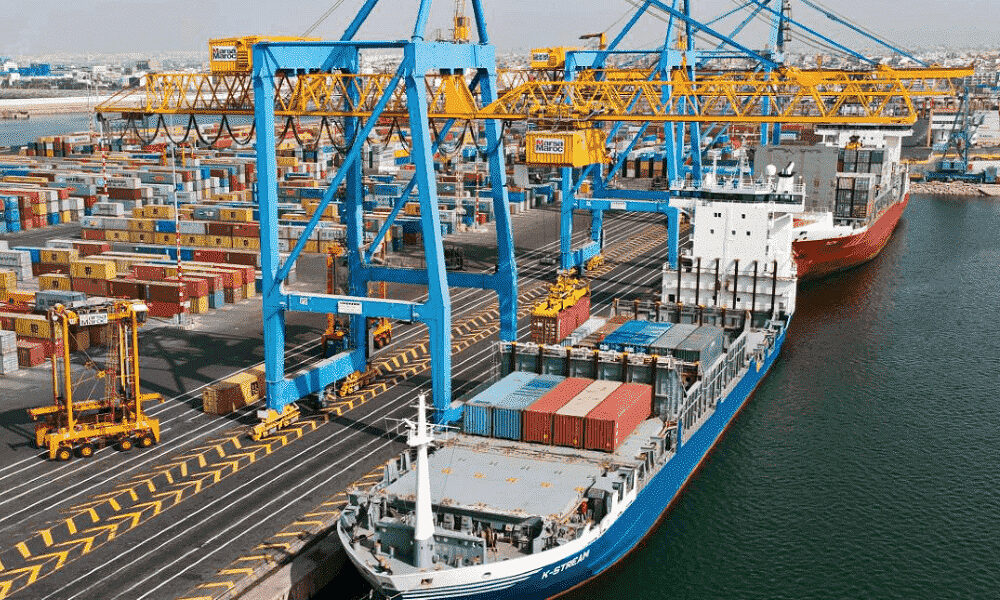
Now, a new development is stirring debate: Morocco has reportedly offered landlocked Sahel countries access to its Atlantic seaports. This move could significantly reshape regional dynamics – and complicate ongoing efforts by ECOWAS to reintegrate member states that have recently withdrawn from the union.
One of the key incentives for junta-led nations like Mali, Burkina Faso, and Niger to remain in or return to ECOWAS has been the promise of access to coastal ports in the Gulf of Guinea. If these states can instead rely on Moroccan ports, that leverage weakens, potentially undermining ECOWAS’s diplomatic position in reconciliation talks.
Moreover, such an offer may strain Morocco’s relationship with the regional bloc if it is perceived as acting against the collective interest of West Africa. There are also practical concerns: the distance between Morocco’s northern Atlantic coastline and the population centers of the Sahel is considerably greater than that between the Sahel and existing West African ports.
Developing infrastructure to support this logistical shift would be costly and time-consuming, especially when alternatives already exist along the Gulf of Guinea.
Geopolitical Tensions and Regional Alliances
The geopolitical ramifications extend beyond economics. Algeria, a key regional player with growing influence in parts of the Sahel, could view the move with suspicion.
Relations between Algiers and several Sahel states have deteriorated in recent months, particularly with Mali. Already tense relations between Morocco and Algeria – largely due to the long-standing dispute over Western Sahara – could further sour, adding another layer of complexity to an increasingly volatile region.
At a time when unity and cooperation are desperately needed to address rising insecurity, terrorism, and governance challenges, moves that deepen divisions risk exacerbating instability rather than mitigating it. While strengthening ties between Morocco and the Sahel may hold promise, such engagement must be carefully balanced to avoid inflaming tensions or encouraging regional fragmentation.
In sum, Morocco’s port offer reflects its growing strategic ambitions – but whether it leads to constructive engagement or further disruption will depend on how it is received and managed by all stakeholders involved.
Fidel Amakye Owusu is an International Relations and Security Analyst. He is an Associate at the Conflict Research Consortium for Africa and has previously hosted an International Affairs program with the Ghana Broadcasting Corporation (GBC). He is passionate about Diplomacy and realizing Africa’s global potential and how the continent should be viewed as part of the global collective.