News
Mali: Ibrahim Boubacar Keita looking more likely to win run-off presidential vote
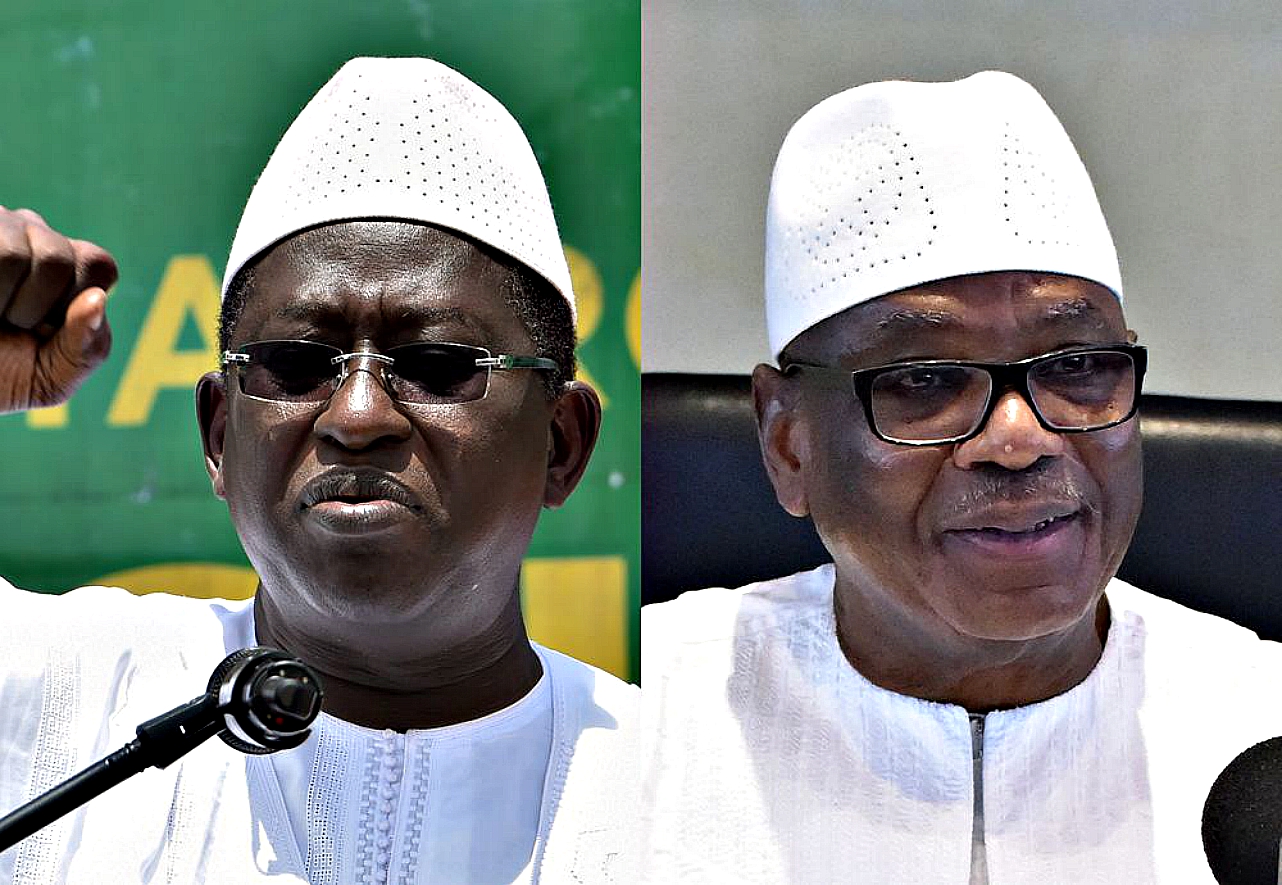
Mali’s incumbent President Ibrahim Boubacar Keita will probably win a 2nd mandate in elections on Sunday when he faces the same politician he defeated in a presidential vote 5 years ago.
Known as IBK, 73-year-old Keita won the 1st round on July 29 with 41 percent of the vote, securing a comfortably large margin but not enough to win an outright majority. His main opponent, 68-year-old Soumaila Cisse, got 18 percent of ballots cast, and so far has not been successful in uniting a fractured opposition to back him.
The front-line in a regional war against jihadists whose bombings and hit-and-run attacks are growing more sophisticated by the month, Mali’s failure to quash a fractured Islamist insurgency has reverberated across West Africa.
While support for IBK has declined, analysts say a lack of strong opposition figures who are not part of the political establishment has helped him gain votes.
Despite 5 years of mounting public frustration with IBK’s failure to stem corruption and reverse the spread of Islamist militancy, he is still likely to win a 2nd 5-year term.
Cisse served long enough in government for voters to be wary of him, said Mamouni Soumano, head of the advocacy organization Malian Center for Dialogue and Democracy. “Keita is hugely unpopular, but many see Cisse as not much better,” Soumano said.
Mali fractured when Tuareg separatists and Islamist insurgents, benefiting from a massive influx of weapons from Libyan arms stocks, seized the north of the country in the wake of a coup that left the army in tatters. Months after international military intervention that pushed back some insurgents, IBK won an election on pledges to take back control of the north.
Five years on, the insecurity has spread to Mali’s more densely populated center and spilled over into Burkina Faso and Niger. Despite a surge in military spending – almost a quarter of the 2017 budget went to defense – the influence al-Qaeda-affiliated militants and other armed groups has only expanded.
Rebuilt the foundations
Mali is the 3rd-biggest gold producer in sub-Saharan Africa and the continent’s largest cotton grower. While the economy expanded 5.3 percent last year, poverty remains high. In 2017, Malians’ main priorities were food security, good governance, access to health services and drinking water, but most said their government was not performing well on these issues, according to the latest Afrobarometer survey.
In a statement following the announcement of the provisional results, Keita said his win reflected the positive balance sheet of his first term. “Mali is moving forward,” he said. “We have rebuilt the foundations of the house.”
In central Mali, where al-Qaeda-affiliated militants have ordered the closing of hundreds of schools, the insecurity kept some voters away in the first round. Violent attacks and other incidents prevented 245,000 voters from casting their ballots as polling stations closed, according to data from the ministry of Territorial Administration. Three quarters of those voters were in the central Mopti region, which is considered Cisse’s stronghold.
Most opposition leaders, including Cisse, have alleged fraud in the first round and issued a statement questioning the impartiality of the Constitutional Court, which validates vote results after the ministry of territorial administration has compiled them. The court declined to comment.
Source: Bloomberg News