News
Macron Acknowledges Injustice of France’s 19th-Century Extortion from Haiti
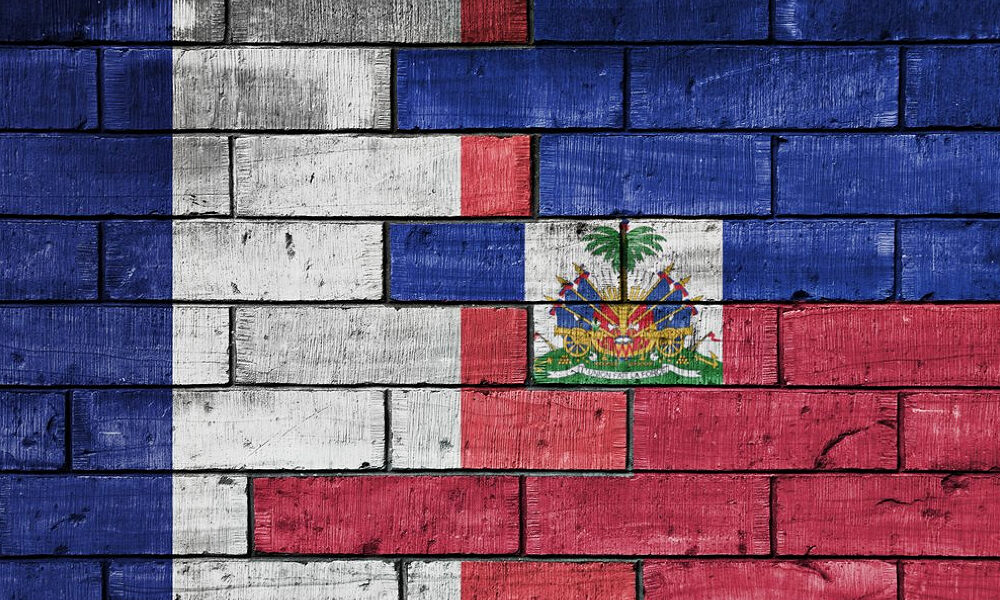
French President Emmanuel Macron has acknowledged the profound injustice of France’s 19th-century demand for financial compensation from Haiti in exchange for its independence. However, he stopped short of committing to reparations, a step long demanded by Haitian leaders and advocates.
In a formal statement released Thursday, Macron recognized the heavy burden placed on Haiti through a massive indemnity imposed by France in 1825. The payment was the price of official recognition after Haiti’s successful slave revolt and declaration of independence – the first such uprising in the Western Hemisphere.
“France subjected the people of Haiti to a heavy financial indemnity,” Macron said. “This decision placed a price on the freedom of a young nation, confronting it with the unjust force of history from the outset.”
The indemnity, initially set at 150 million gold francs and later reduced to 90 million, was ostensibly to compensate France for the loss of its lucrative colony and enslaved labor force. Haiti, already struggling to build a new nation, was forced to pay this debt through loans from French and American banks – payments that continued until 1947.
Economists estimate the cost would amount to billions of dollars today.
Macron announced the formation of a joint Franco-Haitian commission of historians. The commission will examine the shared history between the two nations and provide recommendations aimed at fostering a more just and peaceful future.
“Acknowledging the truth of history means refusing to forget or erase it,” Macron stated, positioning the commission as a step toward mutual understanding.
Yet for many Haitians, truth and acknowledgment are not enough. As Haiti grapples with extreme poverty and escalating gang violence – conditions many argue are rooted in the economic and political instability exacerbated by the independence ransom – calls for direct reparations have grown louder.
Today, gangs control an estimated 85 percent of Haiti’s capital, Port-au-Prince. Experts point to the country’s historical economic exploitation as a critical factor in its ongoing struggles.
While Macron has taken steps to address France’s colonial past – acknowledging its roles in Algeria, Cameroon, and Rwanda – his administration, like others before it, has not endorsed financial reparations. Haitian advocates argue that a true reckoning with history must go beyond acknowledgment to include material redress.
As the new commission begins its work, the question remains: will France move beyond reflection to restitution?