News
Kenya Unveils Visa-Free Policy for African and Caribbean Nationals, Paving the Way for Regional Integration
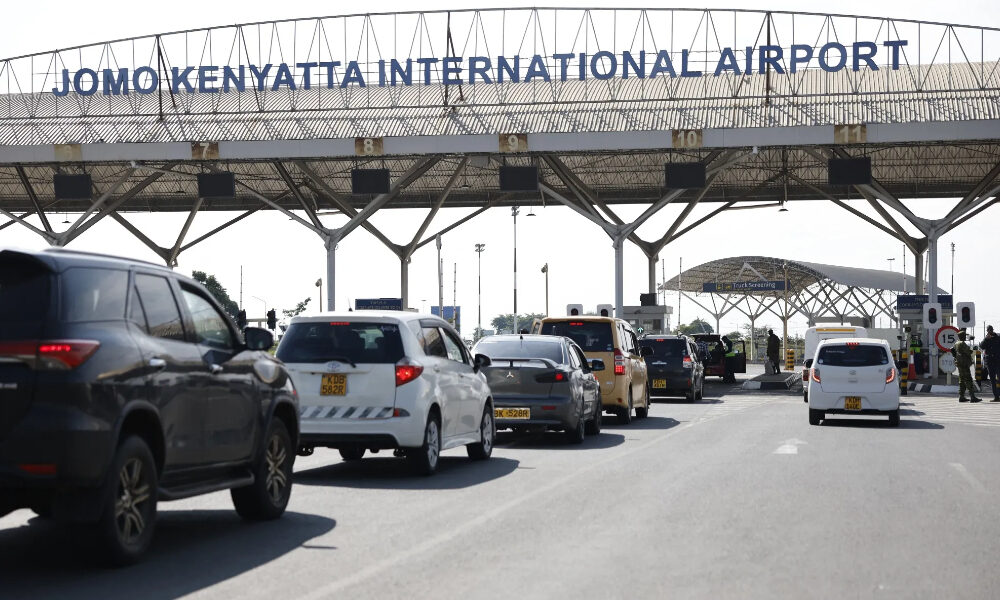
In a landmark move poised to reshape travel, tourism, and economic cooperation across continents, Kenya has officially abolished visa requirements for citizens of nearly all African countries and most Caribbean nations. The policy, which took effect in July 2025, follows a Cabinet decision announced earlier that year in January and underscores Kenya’s growing role as a continental leader in business, tourism, and cultural exchange.
The sweeping reform is part of a broader overhaul of Kenya’s immigration framework, aimed at streamlining entry procedures and aligning with regional integration goals such as those outlined in the African Continental Free Trade Area (AfCFTA). By removing one of the last major barriers to intra-African travel, Kenya is positioning itself as a key gateway to East Africa and a model for progressive border policies on the continent.
Key Changes in Kenya’s New Visa Regime
- Visa-Free Entry for Nearly All African Nationals: Citizens from all African Union member states – except Libya and Somalia – are now exempt from visa requirements. This means eligible travelers can enter Kenya without applying for an Electronic Travel Authorization (eTA), filling out lengthy forms, or paying costly visa fees.
- Standardized Stay Periods: African visitors are permitted to stay in Kenya for up to 60 days without any additional formalities. Meanwhile, nationals from East African Community (EAC) countries – including Uganda, Tanzania, Rwanda, and Burundi – can continue to enjoy a six-month visa-free stay under existing free movement protocols.
- Expanded Access for Caribbean Travelers: Most Caribbean nations – including Barbados, Belize, Jamaica, and Trinidad & Tobago – have also been included in the visa waiver program. While exact lists vary by source, the move signals Kenya’s intent to deepen ties with the Global South. Prospective travelers from these regions are advised to confirm eligibility before departure.
- Faster eTA Processing for Other Nationalities: For non-eligible travelers, Kenya has introduced an improved eTA system with real-time approvals or a maximum processing time of 72 hours, depending on system capacity. This enhancement aims to reduce administrative delays and improve the overall visitor experience.
Economic and Diplomatic Implications
The new policy is expected to deliver a significant boost to Kenya’s economy by increasing international arrivals and facilitating smoother cross-border trade and collaboration.
Tourism Growth:
With easier access, Kenya anticipates a surge in visitors to its world-renowned national parks, coastal beaches, and cultural festivals. The hospitality, transport, and local artisan sectors are expected to see a corresponding rise in revenue.
Trade and Business Expansion:
Simplified border procedures will benefit traders in agriculture, textiles, and services, while also enabling more efficient planning for academic exchanges, conferences, and research collaborations.
Regional Leadership:
By embracing open skies and pan-African integration, Kenya reinforces its position as a diplomatic and economic powerhouse in Africa. The policy strengthens bilateral ties with African and Caribbean nations and supports broader efforts toward seamless mobility across borders.
Security Considerations and Implementation Challenges
Kenya’s decision to exclude Libya and Somalia from the visa waiver reflects ongoing security concerns in those regions. However, the government has committed to reviewing these exclusions should conditions stabilize.
To manage increased traffic and maintain security, Kenya is rolling out an advanced passenger information system designed to enhance pre-screening and border control without compromising openness.
Infrastructure upgrades are also underway:
- Border Efficiency: Installation of electronic passport gates (e-gates) at Jomo Kenyatta International Airport and key land crossings to prevent bottlenecks.
- Digital Infrastructure: Expansion of server and staffing capacity to ensure rapid eTA processing for non-African travelers.
- Stakeholder Coordination: Outreach campaigns targeting airlines, tour operators, and regional partners to promote the new rules and update official travel advisories.
A Model for the Future of African Mobility
Kenya’s bold visa-free initiative represents more than just a regulatory change – it is a strategic commitment to African unity and global connectivity. As implementation progresses, the country’s ability to balance openness with effective border management will be critical to realizing the full potential of this policy.
If successful, Kenya could set a precedent for other African nations seeking to harmonize immigration practices while promoting economic growth and regional solidarity. In doing so, it may well become a blueprint for the future of travel across the continent.