News
Kenya: Deputy President Ruto aims for presidency
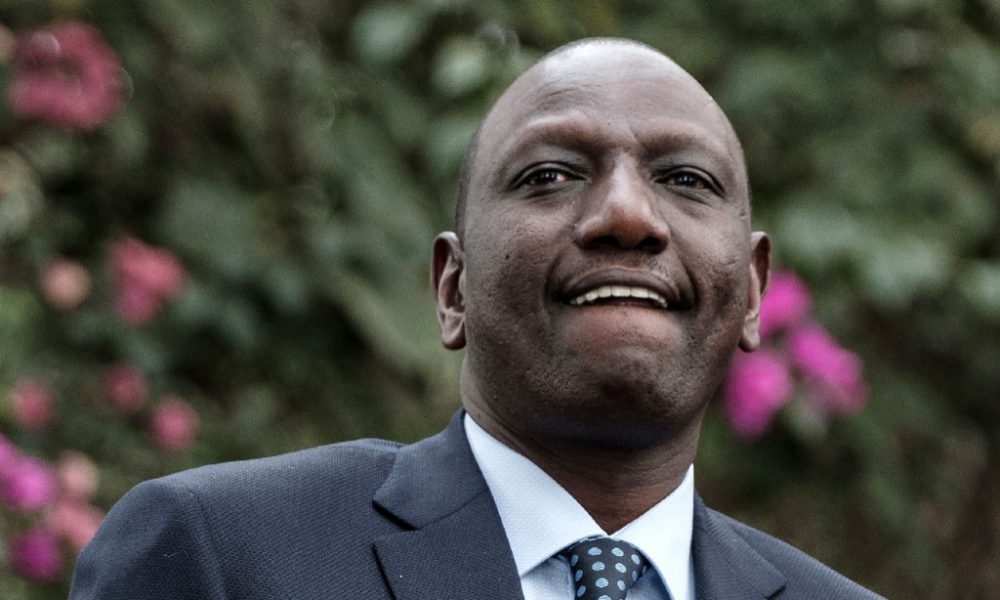
Reuters | Deputy President William Ruto on Tuesday used his new party’s nomination to stand for Kenya’s presidency in an August election to lambast President Uhuru Kenyatta over his economic policies and democratic credentials.
Kenyatta, who must stand down after serving the maximum of two five-year terms, says Ruto is not trustworthy and less experienced than veteran opposition leader Raila Odinga.
Ruto will run against Odinga, who has Kenyatta’s support, in the election.
Ruto attacked Kenyatta’s record in front of five thousand cheering delegates dressed in his new United Democratic Alliance (UDA) party’s green and yellow colors at a Nairobi auditorium.
“Debt must be the last resort. We must not be slaves of debt from any place or any country,” he told the gathering.
Kenyatta’s government has increased public debt by Ksh7 trillion (US$61.32 billion) from nearly Ks2 trillion (US$17.52 billion) since assuming office in 2013.
Ruto also accused Kenyatta of failing to honor his 2017 election promises and using state institutions to persecute political opponents.
Kenyatta has in the past defended his policies, saying he wanted to entrench the rule of law and boost economic growth by constructing roads, railways and other infrastructure, partly finance by the borrowing.
He has also said he embraced the opposition to foster national unity. His spokeswoman, Kanze Dena, declined to comment on Ruto’s remarks on Tuesday.
Ruto, who served as a lawmaker and minister for agriculture before becoming deputy president, seeks to break traditional patterns of ethnic voting by casting the August election as a competition of poor “hustlers” against wealthy political “dynasties”. “If we take care of the bottom, we take care of everybody,” he told his party’s gathering of delegates.
Ruto says he began his career as a roadside chicken seller, a pointed contrast to Kenyatta and Odinga – the sons of the nation’s first president and vice president respectively – and pledges to shift government funding from large infrastructure projects to small enterprises.
Critics point to corruption allegations against Ruto – none of which have ever been proven in court – and a case against him at the International Criminal Court in The Hague for allegedly masterminding violence following the disputed 2007 election.
The case later collapsed; a Kenyan lawyer is currently on trial at the ICC accused of bribing prosecution witnesses against Ruto, which the lawyer denies.
Kenyatta, Odinga, and Ruto come from three of Kenya’s four biggest ethnic groups. Kenyatta’s Kikuyu group, the nation’s most populous, has produced three of four presidents since independence from Britain in 1963.