News
Kenya: In boon to the environment, new law bans making, importing plastic bags
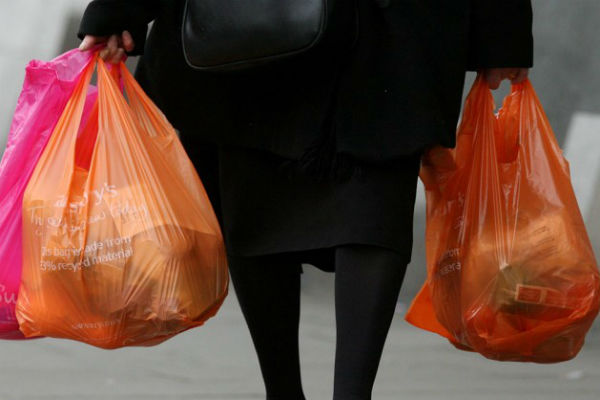
Kenyans producing, selling or even using plastic bags will risk fines of up to US$40,000 from Monday, as the world’s toughest law aimed at reducing plastic pollution came into effect.
The East African nation joins more than 40 other countries that have banned, partly banned or taxed single use plastic bags, including China, France, Rwanda, and Italy.
Many bags drift into the ocean, strangling turtles, suffocating seabirds and filling the stomachs of dolphins and whales with waste until they die of starvation.
“If we continue like this, by 2050, we will have more plastic in the ocean than fish,” said Habib El-Habr, an expert on marine litter working with the U.N. Environment Program in Kenya.
Plastic bags, which El-Habr says take between 500 to 1,000 years to break down, also enter the human food chain through fish and other animals. In Nairobi’s slaughterhouses, some cows destined for human consumption had 20 bags removed from their stomachs.
“This is something we didn’t get 10 years ago but now its almost on a daily basis,” said county vet Mbuthi Kinyanjui.
Judy Wakhungu, Kenya’s environment secretary, said enforcement would initially be directed at manufacturers and suppliers.
“Ordinary citizens will not be affected,” she told reporters.
It has taken Kenya 3 attempts over 10 years to finally pass the law, and not everyone is a fan.
According to Samuel Matonda, spokesman for the Kenya Association of Manufacturers, the law would cost 60,000 jobs and force 176 manufacturers to close.
Kenya is a major exporter of plastic bags to the region.
“The knock-on effects will be very severe,” Matonda said.
“It will even affect the women who sell vegetables in the market – how will their customers carry their shopping home?”
Big Kenyan supermarket chains like Carrefour and Nakumatt have already started offering customers cloth bags as alternatives.
Source: Reuters