News
Jamaica’s Poverty Rate Falls to Record Low of 8.2%
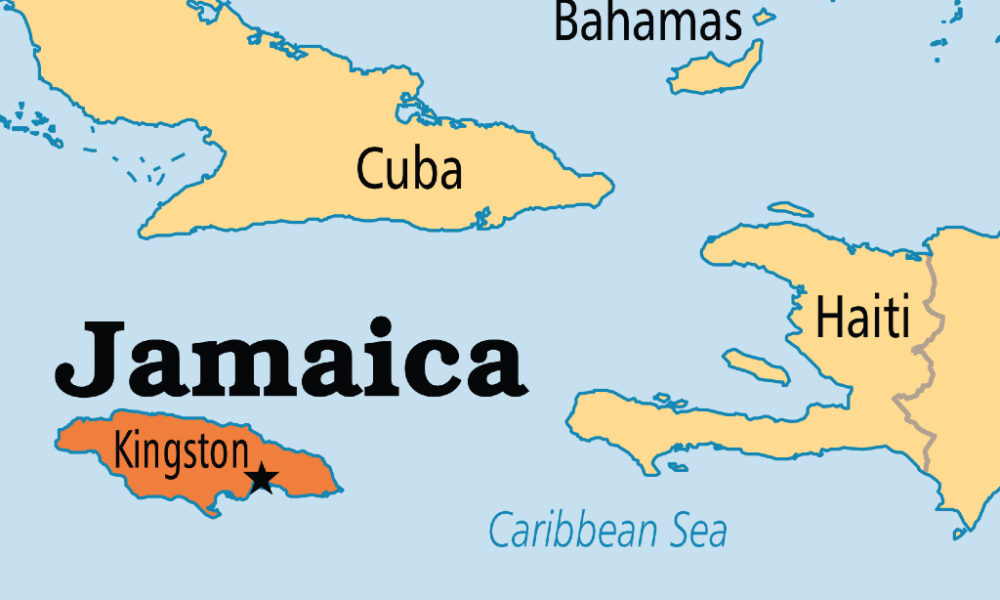
Jamaica’s poverty rate dropped significantly from 16.7 percent in 2021 to a historic low of 8.2 percent in 2025 – the lowest since records began in 1989, according to the Planning Institute of Jamaica (PIOJ).
Wayne Henry, Director General of PIOJ, announced the figures during a recent media briefing on the state of the economy. The data comes from the latest Jamaica Survey of Living Conditions (JSLC), compiled by the Statistical Institute of Jamaica (STATIN).
Final figures for 2024 will be released later this year once updated data is received.
Henry emphasized that no poverty data was collected in 2022 due to the Population and Housing Census, and noted changes in survey methodology since 2018. Revised sampling techniques have improved accuracy but limit direct comparisons with data prior to 2012.
He noted that poverty stood at 19.7 percent in 2012, meaning nearly one in five Jamaicans lived below the poverty line. Rates declined steadily until spiking again in 2021, likely due to the economic impact of the pandemic.
Poverty reduction was observed across all regions:
- Greater Kingston Metropolitan Area: Dropped from 10.4 percent in 2021 to 3 percent in 2023.
- Other Urban Centers: Fell from 15.5 percent to 9 percent, reversing an earlier upward trend.
- Rural Areas: Declined sharply from 22.1 percent to 11.5 percent, a drop of more than 10 percentage points.
Real per capita consumption rose across all income groups, with the most significant increases – 12 percent and 16.6 percent – seen among the lowest two income quintiles.
Food poverty, defined as the inability to afford the minimum daily caloric intake, also declined, reaching a record low of 2.8 percent in 2023, down from 5.8 percent in 2021.
Key drivers behind the decline include:
- Recovery from the economic shock of the pandemic.
- A surge in employment.
- An 85.7 percent increase in the national minimum wage between 2022 and 2023.
- Strengthened social protection programs such as PATH, social pensions, and youth employment initiatives.
- Continued growth in remittances, which support nearly half of Jamaican households.
Henry urged caution when interpreting some estimates, particularly for urban areas where variability may affect precision. However, he affirmed that the overall trend of poverty reduction remains credible and reflects meaningful progress nationwide.