Business
Jamaica aims for lower borrowing costs after cutting debt load
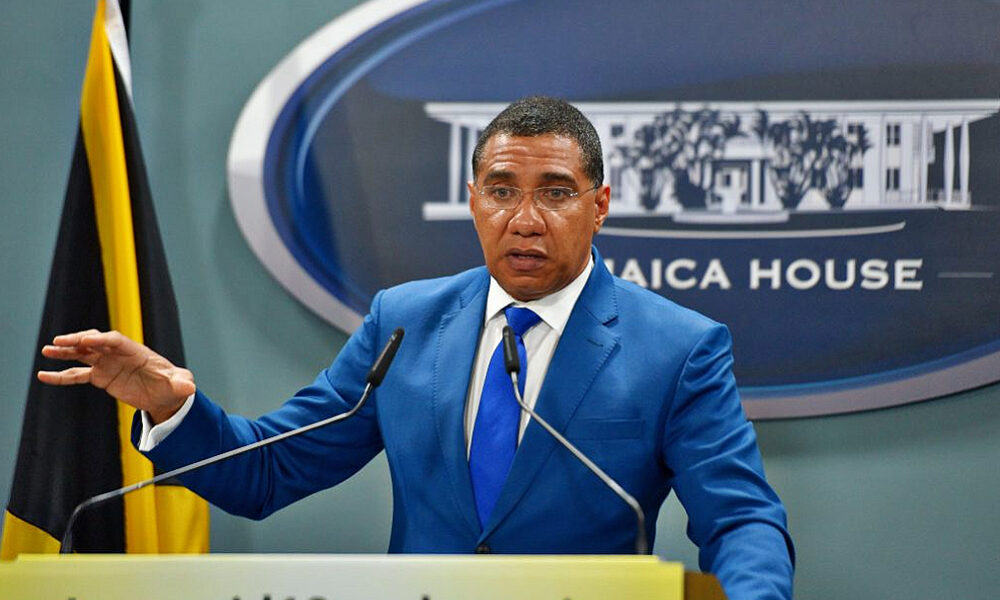
Bloomberg | Jamaica plans to use a pair of credit upgrades and strong investor demand for its bonds to drive down borrowing costs as it returns to global debt markets, according to Prime Minister Andrew Holness.
The nation has cut its debt, driven unemployment to a record low and reduced inflation in recent years. It wants to be rewarded, Holness said, when it taps markets as soon as this week with a Jamaican dollar-denominated note.
“Jamaica is an attractive investment prospect for bond holders, but it should also impact the rates that we get from the market,” he told Bloomberg News in New York. “We’re going to continue on this path. We want to reduce significantly our risk profile.”
The Caribbean island-nation of 3 million people has emerged as a rare bright spot while most emerging markets have been hit by high global interest rates and a strong US dollar that has made repaying debt harder. Investors have poured into Jamaica’s global bonds, with the extra yield demanded to hold its debt falling to 187 basis points over Treasuries on Friday, compared to 454 basis points for emerging markets, according to JPMorgan Chase & Co. data.
S&P Global Ratings and Moody’s Investors Service raised their credit scores for Jamaica by a notch in the past month, citing the government’s push to carry out structural reforms and reduce debt.
On the back of those upgrades, the government is launching a series of investors calls this week, led by BofA Securities, Inc. and Citigroup Global Markets Inc., to buy back notes due in 2025 and 2028 and potentially sell new debt, Bloomberg reported last week, citing people familiar with the matter.
Holness, 51, who took office in 2016, said the government has worked arduously to regain the market’s confidence. Once a serial defaulter, the nation aims to bring its debt-to-gross domestic product ratio down to 75 percent by the first quarter of next year from around 150 percent a decade ago.
“We were almost on the brink of financial collapse,” he said. “We had to reform how we managed public finances.”
Green Debt
Holness also said it was “quite possible” that the country will issue green bonds in addition to this week’s sale going forward to back environmentally friendly projects and infrastructure in a region that is being threatened by climate change. The government is also evaluating selling more of the so-called catastrophe bonds, which provide a payout in case the island is hit by a disaster.
Echoing other global leaders, Holness called the effects of a changing climate “a social justice issue” that disproportionately impacts small, developing countries such as Caribbean islands that have been devastated by increasingly powerful hurricanes.
“We recognize that yes, this is a climate justice issue and rich countries ought to contribute to the developing world to help them to adapt and to mitigate against the effects and impacts of climate change.”