Opinion
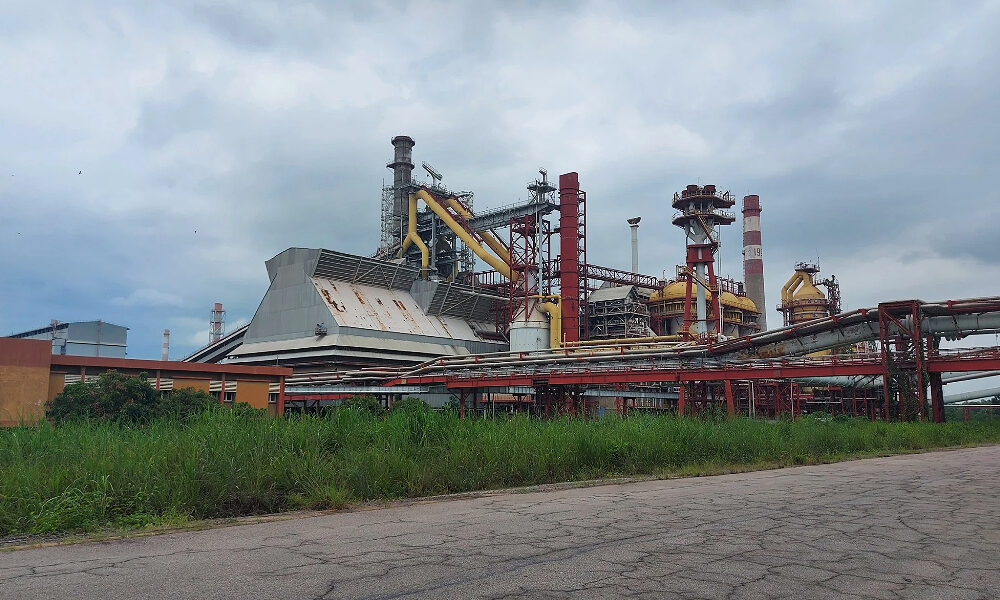
It is time for white elephants to turn black
By Danilo Desiderio
Control Risks and Oxford Economics Africa recently released the 2024 edition of the Africa Risk-Reward Index, which provides a comprehensive analysis of the evolving investment landscape in key African markets. This report delivers a long-term perspective on significant trends impacting investment in the region and features a special chapter that examines infrastructure investment dynamics over the past two decades.
Despite notable infrastructure initiatives, including prominent energy, port, and railway projects, Africa’s road and rail networks still resemble a “spoke-and-wheel” configuration that extends toward overseas destinations rather than connecting the continent’s urban and economic centers. This fragmented infrastructure hampers regional integration.
In today’s constrained borrowing environment, the report advises African governments to prioritize projects that deliver concrete benefits and avoid costly ventures that burden citizens with debt.
The term “white elephant,” thought to originate from Siam (modern-day Thailand), describes costly, burdensome gifts the king would give to courtiers he disfavored. Today, it serves as a metaphor for investments that are ultimately wasteful or unproductive.
To foster sustainable growth, Africa must prioritize infrastructure projects that offer genuine local benefits, transforming “white elephants” into assets that build real economic resilience.
Given the pressures of high living costs and debt burdens, the report argues that Africa should carefully assess which infrastructure projects truly benefit its population, especially given many “megaprojects” are focused on serving export markets rather than local needs.
The Lobito corridor and Tazara railway highlight these dynamics. The Lobito project aims to reroute copper from Congo and Zambia to the Atlantic coast, favoring Western exports, while the Tazara railway rehabilitates a route connecting the same regions to the East Coast for Asian markets.
With incompatible rail gauges, these projects lack interoperability, showcasing the misalignment in Africa’s infrastructure planning.
Another example is the green hydrogen plant in Namibia, funded by the European Union and Germany, which has spurred speculation, especially given the EU’s recent energy sanctions against Russia.
The report highlights growing disillusionment among Africa’s younger generations, who are increasingly questioning their leaders’ development strategies and external alliances. To foster sustainable growth, Africa must prioritize infrastructure projects that offer genuine local benefits, transforming “white elephants” into assets that build real economic resilience.
Danilo Desiderio serves as the CEO of Desiderio Consultants Ltd in Nairobi, Kenya, specializing in African customs, trade, and transport policies. He is a customs and trade expert at the World Bank and a senior associate to the Horn Economic and Social Policy Institute (HESPI).