Zina’s Youth View on Africa
Is a Power Struggle Brewing in Zimbabwe?
By Godfred Zina
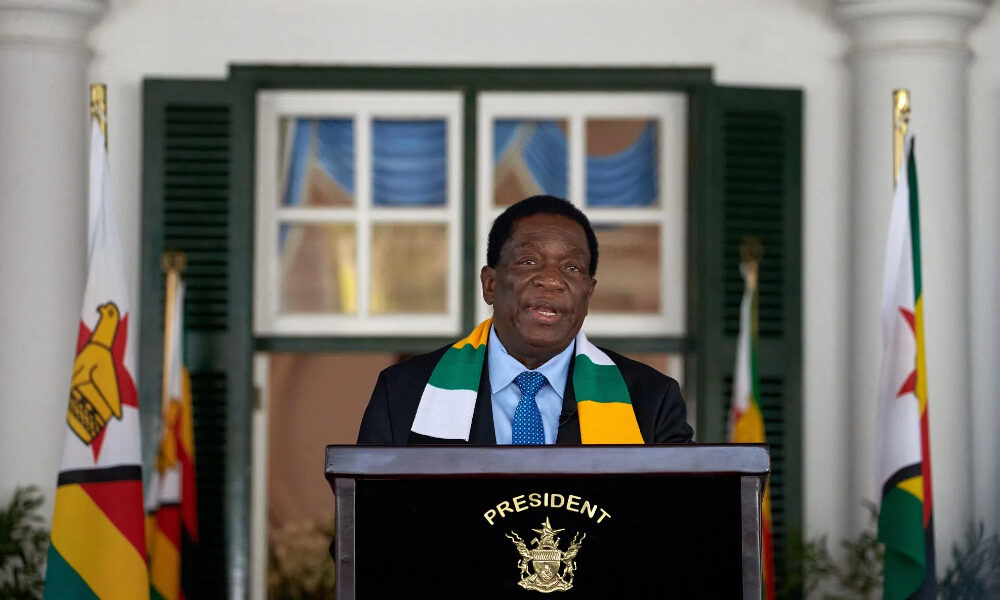
Since coming to power through a military coup that ousted longtime leader Robert Mugabe in 2017, President Emmerson Mnangagwa now appears to be facing challenges from within his own ranks. His recent actions suggest he is increasingly worried about potential threats to his presidency from his allies.
A Key Military Shake-up
On March 25, 2025, Mnangagwa reshuffled several top security positions in an apparent bid to consolidate power. Among the most notable moves was the dismissal of the army chief, the second most powerful general in the country, who had played a central role in removing Mugabe from office.
Along with the removal of the army chief, Mnangagwa also replaced the head of the police force and the director of Zimbabwe’s intelligence service. These changes signal his attempt to tighten control over the country’s military and security apparatus.
A Strategic Move Ahead of Protests
The dismissed general, a close ally of Vice President Constantino Chiwenga, was reassigned to a far less influential position in the Ministry of Sports. This move comes just ahead of a planned protest on March 31, 2025, organized by influential war veterans.
The veterans are rallying against Mnangagwa, accusing him of exacerbating the country’s economic crisis and attempting to extend his rule beyond the constitutional limit of 2028.
Mnangagwa, however, has dismissed these accusations, claiming that there are no plans to remain in power beyond his current term. Speaking on Wednesday, he warned against “those who want to disturb our peace,” emphasizing his determination to maintain stability.
Rising Tensions
While Mnangagwa’s efforts to reinforce his position may help him maintain control for now, they come with significant risks. The potential for increased repression, economic instability, and even violent clashes is high.
Should the veterans’ March 31 protest gain significant momentum, it could trigger a violent government crackdown, which might only deepen the political and economic crises facing the country.
What Lies Ahead for Zimbabwe?
The ruling Zimbabwe African National Union-Patriotic Front (ZANU-PF) party has governed the country since it gained independence from Britain in 1980. While Mnangagwa’s political maneuvers may temporarily strengthen his grip on power, the growing discontent among key factions and widespread public frustration could undermine his leadership.
If the government resorts to violence to quell dissent, it risks further eroding public trust and igniting greater unrest.
Godfred Zina is a freelance journalist and an associate with DefSEC Analytics Africa – a consulting agency specializing in the provision of accurate data and assessments on security, politics, investment, trade, and other risks within Africa. He is based in Accra, Ghana.