Life
Howard University and Google Partner to Advance AI Speech Recognition for African American English
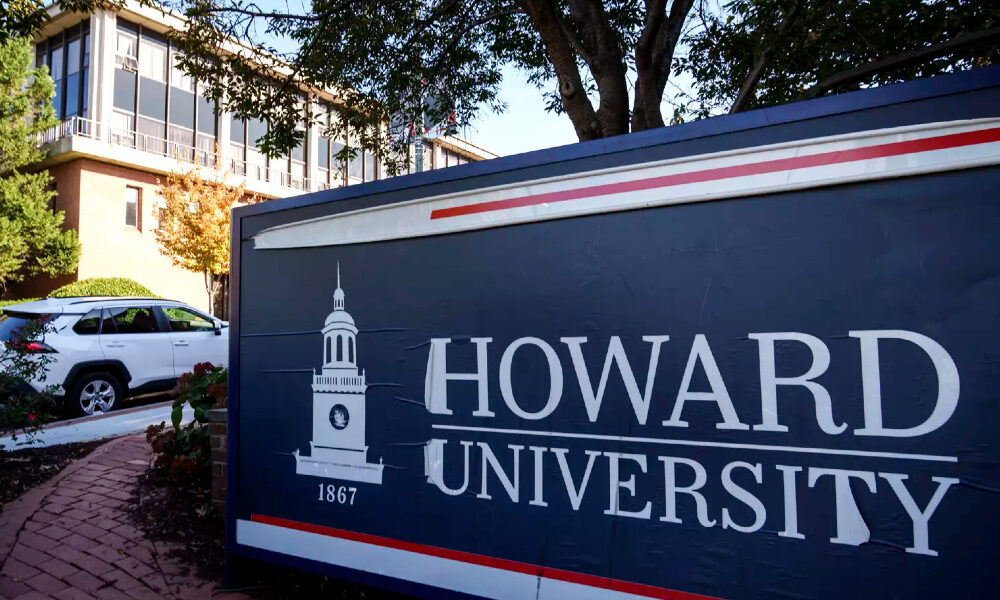
In a groundbreaking collaboration, Howard University and Google have joined forces to improve artificial intelligence (AI) speech recognition for speakers of African American English (AAE) and African American Vernacular English (AAVE).
Launched as Project Elevate Black Voices, the initiative aims to close a persistent equity gap in voice technology. For years, automatic speech recognition (ASR) systems have struggled to accurately interpret the linguistic richness of AAE – a dynamic dialect central to American culture and identity.
To address this, Howard University researchers collected more than 600 hours of spoken language data from Black communities across the U.S. Field teams traveled nationwide to capture regional variations in vocabulary, intonation, and expression, creating one of the most comprehensive AAE datasets to date.
This data will be used to train Google’s voice recognition models, enhancing accuracy for millions of users who speak AAE and fostering more inclusive, responsive AI-powered devices – from smartphones to smart home assistants.
“African American English has shaped American culture for generations,” said Gloria Washington, Howard University computer science professor and co-principal investigator of the project. “Voice technology must reflect that diversity. This isn’t just about equity for Black communities – it’s about building technology that works for everyone.”
Historically, mainstream voice assistants have underperformed with AAE speakers, often misinterpreting or failing to recognize common speech patterns. These disparities have reinforced digital inequities and limited access to everyday technologies.
“This partnership marks a pivotal step toward inclusive AI,” said Courtney Heldreth, co-principal investigator at Google Research. “Our goal is to create technology that understands how people naturally speak. Working with Howard ensures we’re building systems that honor linguistic diversity.”
The collaboration also highlights the expanding role of historically Black colleges and universities (HBCUs) in shaping ethical, equitable AI. Howard’s leadership in computational linguistics and data justice positions it at the forefront of innovation in responsible technology.
Experts say Project Elevate Black Voices could set a new industry standard for linguistic inclusivity in machine learning – demonstrating how diverse partnerships can drive meaningful change in AI development.
As voice technology becomes increasingly embedded in daily life, this initiative signals a shift toward more representative, culturally aware systems – ensuring every voice is heard, understood, and valued.