Life
How Nigeria has managed to contain and stop its Ebola outbreak
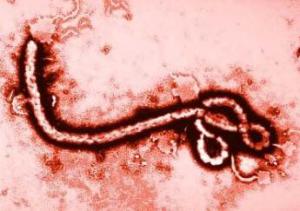
While the rapid response to the Ebola outbreak in Nigeria was a significant factor in quelling the spread of the deadly disease, the country has other advantages over Liberia, Sierra Leone and Guinea where it continues to run rampant.
Nigeria recorded 19 laboratory-confirmed Ebola cases and one probable one in two Nigerian states, and nearly 900 patient contacts were identified and followed since mid-July when the outbreak took off. There have been no new cases since August 31, strongly suggesting the outbreak in Nigeria has been contained.
Nigeria was fortunate in that the man who brought in the disease by plane to Lagos back in July was suspected of having Ebola. Nigerian authorities took swift action, putting him into isolation and then determining he had exposed 72 people on commercial aircraft, at an airport and at a hospital. They immediately began tracing those he may have had contact with, and created an incident management centre, which later became the emergency operations centre for the disease.
The person who brought the infection was taken to one of the best hospitals in Nigeria, and the people who were infected were individuals who quickly comprehended the importance of following the recommendations set by the Nigerian health authorities.
Nigeria is also vastly more politically stable and economically affluent than other West African countries, having not suffered years or decades of civil strife. Because of its oil resources, Nigeria is a relatively wealthy country – the largest economy in Africa, meaning it has the resources to tackle the outbreak. In addition, Nigeria had established a good health-services infrastructure in October 2012 as part of its emergency plan for the global polio eradication initiative – this played a huge role in the containment of the Ebola outbreak.
Nigerian health officials have fanned out across the country, employing an effective messaging campaign and in addition have made sure to cover all points of entry: air, land and sea. Thousands of people were screened per day per point of entry, with several suspected cases captured per day, and taken to the various isolation wards for treatment.
Source: Associated Press