Opinion
How Africa’s Rapid Urbanization is Shaping the Future of Its Cities


By Jean Claude Niyomugabo
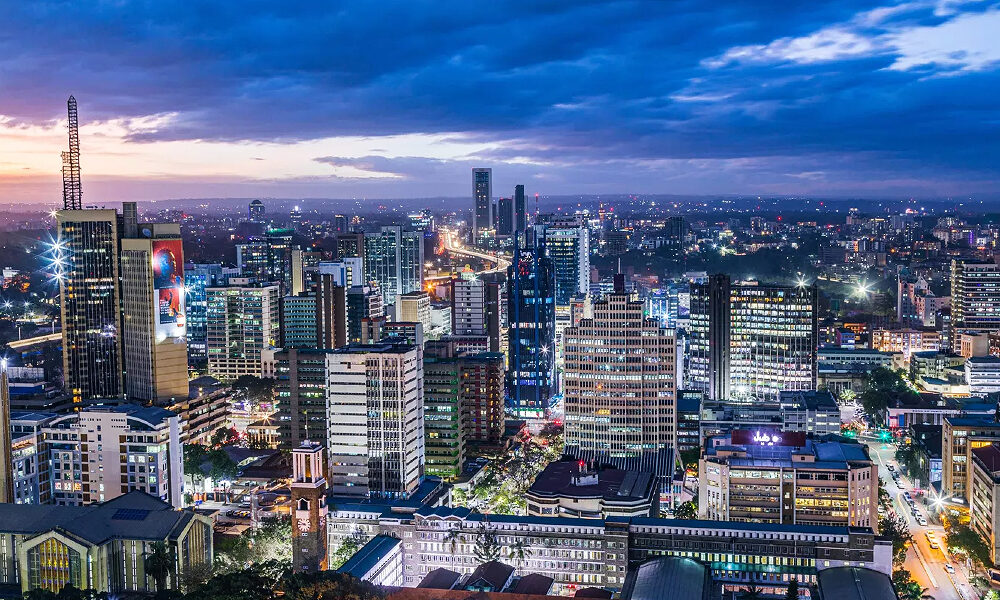
Africa’s cities are growing rapidly.
By 2040, Africa will boast 31 cities with populations exceeding 5 million – 19 more than we have today. This represents a dramatic transformation unfolding right before our eyes, yet it often goes unnoticed.
Africa’s Rapid Urban Growth
Africa is currently the fastest urbanizing region in the world.
In 2019, 57 percent of the population still lived in rural areas, but that is rapidly changing. More people are flocking to cities in search of jobs, better services, and greater opportunities, reshaping the continent at an astonishing rate.
Since 2000, Africa’s urban population has grown by 3.7 percent annually – outpacing the overall population growth of 2.5 percent. This rapid urbanization means cities are expanding quickly, but the critical question remains: are they expanding in ways that truly benefit the people who live in them?
In the next 20 years, more than 500 million people are projected to migrate to African cities. That’s like adding the entire population of the European Union to our cities within just two decades!
This rapid growth will make Africa home to the largest urban population in the world. By 2040, there will be 12 cities with more than 10 million people each. These mega-cities will join Cairo and Lagos, already among the continent’s largest.
The Need for Investment in Second-Tier Cities
But this urban boom isn’t limited to the largest cities – Africa’s second-tier cities are expanding at a similar pace. Today, only 10 cities have populations between 5 and 10 million.
By 2040, that number will rise to 19.
These second-tier cities are growing just as quickly as the largest ones, yet they often receive less investment and attention in terms of planning and development.
One of Africa’s greatest challenges is that, compared to other regions, it has fewer and smaller second cities. In many countries, the capital or primary economic hub dominates, leaving smaller secondary cities with limited growth potential.
Of the 14 largest cities in Africa, only four have a second city that’s more than half the size of the primary city.
This results in economic growth being concentrated in just a few areas, placing immense pressure on them while leaving others underdeveloped.
To ensure Africa’s cities thrive, we must prioritize better infrastructure – roads, public transportation, water, and electricity must keep pace with the population explosion. Otherwise, we risk creating overcrowded, uninhabitable spaces instead of thriving economic hubs.
Investment in second-tier cities is equally vital. If these cities receive the support they need, they can help balance development, alleviate pressure on overcrowded primary cities, and generate more opportunities for people across the continent.
Urbanization, in itself, is a positive force – it drives innovation, job creation, and economic growth. But without strategic planning, it could lead to more slums, inadequate living conditions, and rising unemployment.
Africa’s future hinges on how well we prepare today. The question is: Are we ready to invest in our cities, build robust infrastructure, and create an environment where both businesses and people can flourish?
Jean Claude Niyomugabo is an entrepreneur and digital communication specialist with a strong passion for Africa’s development. He is dedicated to harnessing the power of social media to drive positive change and enhance livelihoods. With diverse interests and a strategic approach to digital engagement, he strives to create meaningful impact through innovation and connectivity.