News
Haiti standoff: Will Moïse or protesters yield?
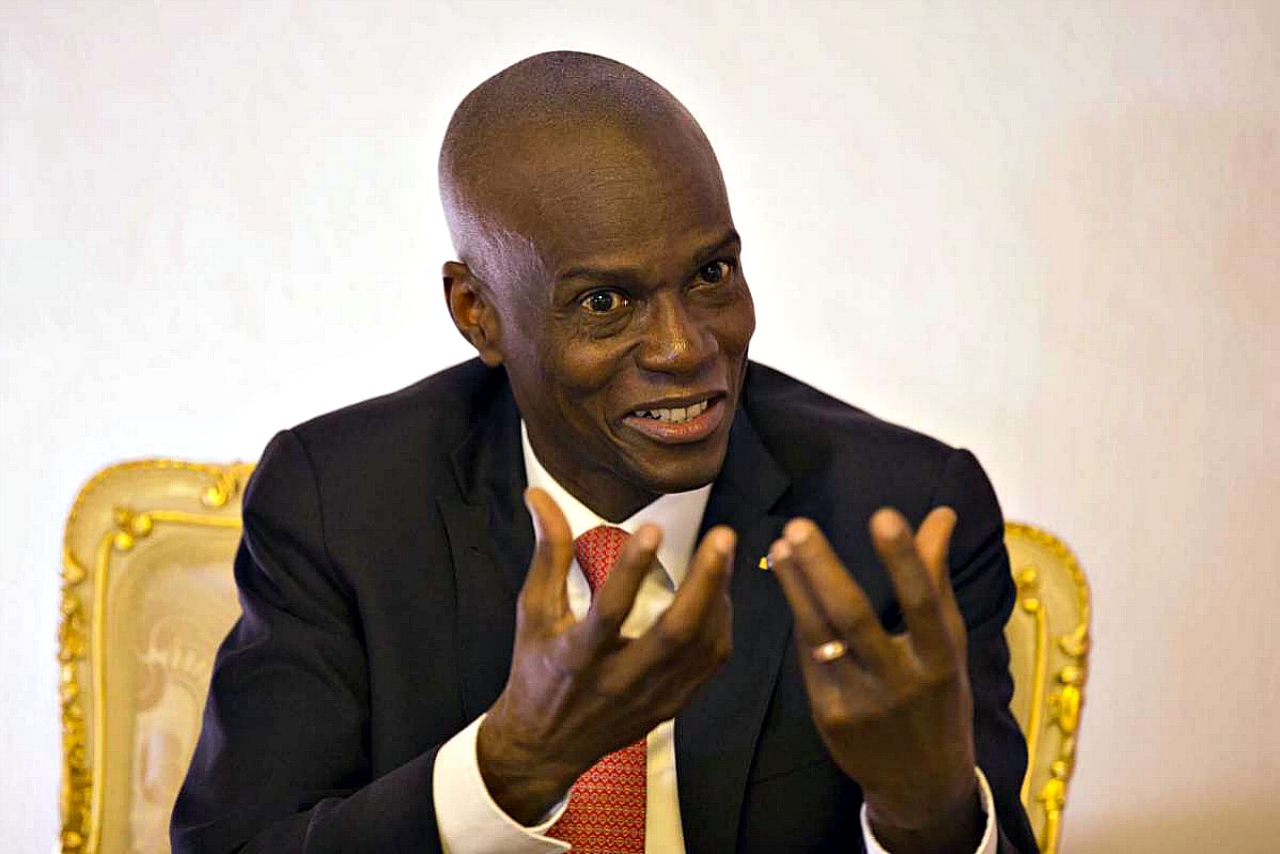
AP | The operation dubbed “Find Jovenel Moïse” organized by opposition leaders demanding the resignation of Haiti’s president ended abruptly when he appeared at the National Palace early this week following violent protests.
Haitians had become so accustomed to not seeing their president in person amid a deepening political and economic crisis that his arrival at the palace Tuesday took protesters by surprise, with only a handful of them present.
Despite the rarity of his public appearances, the embattled leader has given no indication that he will step down after nearly a month of demonstrations against corruption, spiraling inflation and dwindling supplies of food and gasoline. Opponents have scheduled another protest for Wednesday, promising to once again paralyze Haiti’s capital and nearby communities if he doesn’t leave office.
As the standoff continues, Haitians wonder who will yield first: the protesters or the president.
“It’s a dramatic situation, a chaotic situation,” said Evans Paul, a former prime minister and Moïse ally who privately discussed the crisis Monday with a core group of officials.
Paul told reporters that while those present did not say whether Moïse should remain in power or resign, they urged dialogue, voiced support for Haiti’s institutions and defended democratic principles, with Paul noting that Moïse was elected by the people in 2017 for a 5-year term.
He also said government officials are outlining ways to exit the crisis. He believes Moïse has 2 options: choose a prime minister backed by the opposition or possibly reduce the length of his presidential term. However, Paul said many problems remain, including the lack of a provisional electoral commission.
After the meeting, Paul said, he met with Moïse to talk about the options and negotiations are continuing.
“He hasn’t said yes yet,” Paul said, adding that while he has encouraged Moïse to make bigger concessions, “he can’t put everything on the table.”
The opposition has rejected Moïse’s pick for a new prime minister, with a September 23 vote being indefinitely postponed.
If Moïse and key officials arrive at a solution, it will likely be announced by a non-partisan group instead of the president to lend it credibility and appease the people, Paul said.
Moise’s rare appearance Tuesday came a day after he presided over a meeting with a special council of ministers by phone, government spokesman Eddy Jackson Alexis confirmed to AP.
Protesters also are demanding a more in-depth investigation into allegations that top officials in the previous administration misused billions of dollars in proceeds from a Venezuela-subsidized oil plan. Critics accuse Moïse of trying to protect his ally, former President Michel Martelly, and of participating in the corruption himself before becoming president.
The protests have paralyzed the economy and closed down roads across the country, upending the supply chain and disrupting the distribution of food and gasoline, with long lines forming at a handful of gas stations and water kiosks that remain open.
“It’s an extremely serious situation,” said Haitian economist Kesner Pharel. “The political situation has been disastrous, and we are paying dearly for it.”
Prices have been rising in a the country, he said. Inflation hit 19 percent in July, the latest number available, and economists predict it could be at 20 percent or higher in October, which would mark the first time that level since 2008, a situation that sparked food riots, Pharel said.
He also noted the fiscal year began October 1 but the government has not yet approved a new budget, adding that this year could see a 1 percent contraction in the economy as the demographic rate increases.