News
Haiti: Former Dictator Jean-Claude Duvalier dies
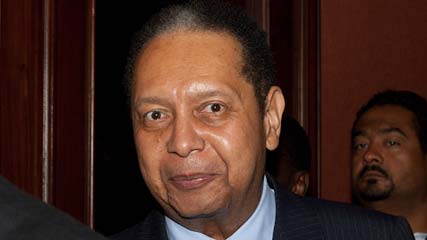
Former Haitian leader, Jean-Claude Duvalier. PHOTO/File
Haiti’s former dictator Jean-Claude “Baby Doc” Duvalier, who governed the Caribbean nation with an iron fist from 1971 until his ouster in 1986, died of a heart attack. He was 63.
The death of Baby Doc, as he was commonly known, marks the end of a dark chapter for a country plundered first by his ruthless father – Francois “Papa Doc” Duvalier, a physician-turned-populist politician, before being further ravaged by his son.
An estimated 30,000 people were killed during the reign of the Duvalier father and son, rights activists say.
Jean-Claude Duvalier returned to Haiti in 2011, after 25 years of exile, but victims, opponents and activists never saw him face justice. Despite that, reaction to his death was muted on the streets of Haiti.
Duvalier’s death in the capital Port-au-Prince was announced by the health minister, Florence Guillaume Duperval, who said the cause appeared to be a massive heart attack.
Jean-Claude Duvalier came to power when he was just 19 years old, and for a decade-and-a-half ruled as Haiti’s self-proclaimed “president for life.” Like his father, he allowed little room for dissent, barring opposition, clamping down on dissidents and rubber-stamping his own laws. And like his father, he made liberal use of the dreaded Tonton Macoutes, a secret police force loyal to the Duvalier family.
The notorious Tonton Macoutes terrorized Haitians, arresting and torturing untold numbers of political opponents, thousands of whom vanished without ever being accounted for.
Born in Port-au-Prince on July 3, 1951, the young Duvalier watched the intrigue and paranoia escalate in his father’s 14-year government, which began in 1957 and saw waves of arrests, executions, bombings and 11 failed coups. At the age of 11, he survived an attack that killed three of his bodyguards. In 1986, he was forced into exile in a popular uprising, as pro-democracy forces rallied in the streets amid international condemnation of the rampant human rights abuses during his regime.
Duvalier Haiti for a life of luxury in France, thanks to the hundreds of millions of dollars allegedly pilfered from the coffers of the country. He was said in reports to have looted as much as US$300 million before being forced to flee.
In the late 1990s, former political prisoners brought charges of “crimes against humanity” against Duvalier in a Paris court, claiming they were tortured over a period of years, but the lawsuit later foundered. In 2007, Duvalier called on Haitians to forgive him for “mistakes” committed during his rule, even as the government in power at the time insisted he face trial. After his return, he was charged in a slow-moving prosecution on corruption and embezzlement allegations dating to his years in power. Efforts to bring him to justice became tangled in legal motions and appeals, and proved unsuccessful in the end.
His death deprives Haitians of what could have been the most important human rights trial in the country’s history.
Copyright 2014 AFP