News
Haiti: 70 candidates contesting for presidency in October elections
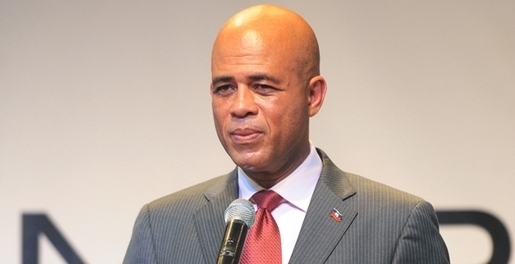
A three-year political crisis that delayed local and parliamentary elections has done nothing to dampen Haiti’s enthusiasm for democracy, judging by the avalanche of hopefuls now running for president.
Taking charge of a nation still struggling to recover from a devastating earthquake and a cholera epidemic might seem a tough challenge, but no fewer than 70 candidates think they are up to the job.
The incumbent, former pop star Michel Martelly, is constitutionally barred from seeking a second term in a country still scarred by the cruelty of former “presidents for life” Francois and Jean-Claude Duvalier.
So with the field open to new ideas and new faces, scores of pretenders registered with the Provisional Election Council for the October 25 elections, some waiting until Wednesday night’s deadline to lodge a last-minute bid.
But the number of late arrivals was not a sign of indecision or humility. The candidates seized on the administrative formality to make a first public show of their support.
In a carnival atmosphere, candidates arrived to deposit their paperwork leading crowds of noisy supporters through Port au Prince’s streets.
More than half of the 70 hopefuls waited until Wednesday to make themselves known and their rival rallies effectively blocked traffic on one of the city’s major thoroughfares.
Haitians are used to this kind of electoral extravaganza and many laugh about what locals call the “candidatitis” that grips their more ambitious citizens as polling day looms.
Martelly was a popular carnival singer, but his lightning rise through the political ranks to the top job has inspired many to believe that they have a similar chance.
There are some who grumble, however, that the overloaded ballot paper makes a mockery of what should be a solemn process of choosing the leader of a troubled nation.
‘Why not me?’
Thierry Mayard-Paul served as Martelly’s interior minister between 2011 and 2012 and credits his former boss with opening the eyes of Haitians to their democratic potential.
But he also complains of a “popularization” of the process, warning: “An ordinary nobody can say to himself, ‘Why not me?’ without realizing the importance of what is at stake.”
Mayard-Paul is one of the 70 candidates looking for a way to distinguish himself from the pack.
He will be competing against political debutants such as Clarens Renois, who, like many here, has watched frustrated as generations of leaders failed to tackle Haiti’s problems.
“As a journalist, I have seen so much and lived real moments of despair,” he told reporters.
“You start to wonder if you haven’t, yourself, the vision needed to change things. But it is not an easy choice because we know that Haiti is a political minefield.”
Many of the candidates have fought on this field before – a number of former parliamentarians and ministers have signed up.
Wealthy businessman and close Martelly ally Laurent Lamothe, who resigned as prime minister in December amid fierce opposition street protests, has made his presidential ambition official.
His return to frontline politics has been followed closely and is controversial – his opponents allege he is not even eligible to run.
Under Haitian law, a former senior official such as the ex-premier who wants to stand for elected office must be granted a dispensation from parliament attesting that he or she has not mismanaged public funds.
But because of the political crisis that led to his resignation, Haiti has been unable to organize parliamentary elections and in January there was no official body qualified to approve him.
So Haiti’s Provisional Electoral Council, will have to decide how many of the 70 would-be candidates will see their names printed on ballot papers.
The decision is expected around the end of May.
Those who are ruled out will lose the 500,000 gourdes (or around US$10,500) that they have paid as a deposit to make their candidacies official.
And those who pass the first hurdle will have to mount a nationwide campaign across 10 counties and print enough leaflets with a candidate photo and party symbol to impress the electorate.
Source: AFP