Business
Guyana: Country’s fortunes set to change as development in oil and gas industry accelerates
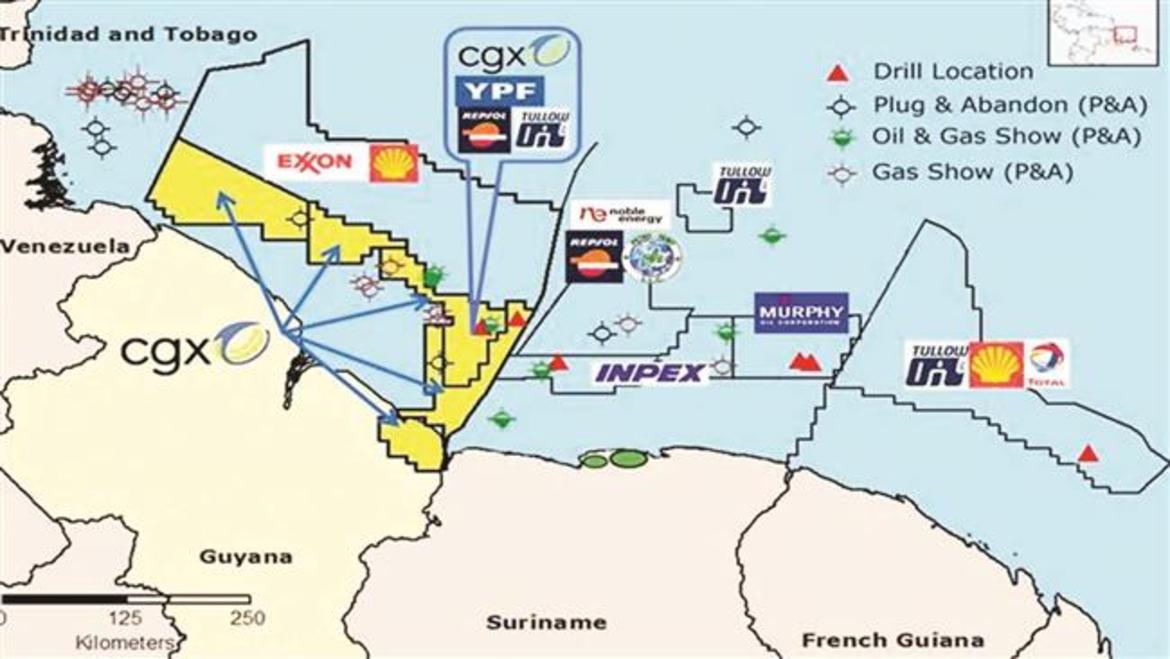
Guyana – one of the smaller economies in the Caribbean and Latin America is on track to becoming one of the top oil producers in the region.
This is because of a huge, recent discovery of oil in the waters off its coast, which ExxonMobil, the lead explorers in the search – are calling a “significant” find.
Guyana has no previous oil industry.
While ExxonMobil, is making great strides, the Granger administration is looking to involve more majors in the industry to develop the country’s offshore resources.
Consideration is being given to natural gas monetization and the development of a local services industry.
There has not been much focus thus far on natural gas and how associated gas produced during drilling for oil might be monetized, but this is about to change. Piping gas could have a transformative effect on the country’s economic prospects, aside from the anticipated windfall from the oil boom.
According to Jay Mangal – the recently appointed petroleum adviser to President David Granger – if gas is brought to shore via a pipeline, it is likely it would feed a new 200 megawatt (MW) gas-fired thermal power plant, which is roughly equivalent to the current installed capacity in Guyana.
Building a 200 MW power plant would be a bigger project than anything Guyana has had to contend with in the past and it is unlikely that the Granger administration is in a position to handle it right now.
With this in mind, Mangal said that: “If it goes ahead, it might be prudent to consider a Build Operate Transfer model to get it done within budget and on time.”
He added that the contract should be managed by an independent entity keeping the government out of the operational aspects of the capital project, which would reduce the risk of corruption and increase the chance of a successful outcome.
Services support
Mangal said the emergence of a local services base was still at an embryonic stage. “ExxonMobil is in the process of setting up a supply base on the Demerara River in Georgetown to support the drilling and completion campaign for Liza Phase 1, which is about 17 wells. This already should include, or at least attract, drilling and completion service companies to Guyana.”
With the emergence of a services industry comes consideration of local content requirements, and the government is already looking into this aspect.
“The Ministry of Natural Resources last year received advice on hydrocarbon regulatory frameworks, and I believe they are drafting a local content policy,” Mangal stated. He also noted that there were other factors to consider in respect of the development of a larger oil and gas supply industry in Guyana, as opposed to ExxonMobil’s base on the Demerara River.
“A larger oil and gas supply base would be the first deepwater port in Guyana that would likely have to serve other purposes in addition to the hydrocarbons industry,” he said. “The decision on a future deepwater port will be influenced by the needs of: general shipping and other industries in Guyana; onshore transportation links; the location of possible gas-to-power facility and industrial zone; etc.”
Output outlook
As exploration work speeds up, with ExxonMobil extending its search and with 3D seismic work under way at the Orinduik and Kanuku licences, some optimistic forecasts have put the country’s peak output at around 450,000 barrels per day sometime during the next decade.
According to Mangal, ExxonMobil sets a high bar with respect to its technical work and its safety performance, and also has a reputation to maintain. But we all know that countries benefit from competition between the majors, and it is not in Guyana’s long term interest to have most of its acreage operated by one or a couple companies. Guyana now needs to attract the likes of Chevron, Royal Dutch Shell, Total, etc.
The move from exploration towards production should ensure interest remains strong, and the arrival of one of those companies would mark the next stage of the country’s offshore story.
Source:Oil and Gas news