Business
Ghana’s Cedi Soars: A Historic Turnaround After Three Decades


By Mark-Anthony Johnson
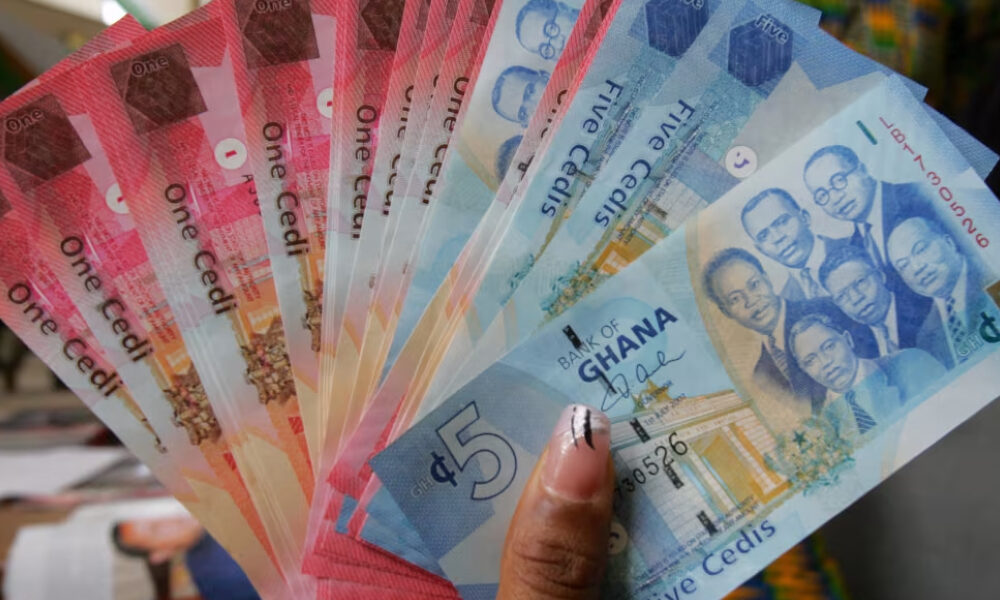
In a milestone not seen in over 30 years, Ghana’s cedi posted its first annual gain against the US dollar – a stunning 41 percent appreciation that made it the world’s second-best-performing currency in 2025, trailing only the Russian ruble. For a nation long battered by macroeconomic volatility, this turnaround signals more than just financial recovery; it marks a potential inflection point in Ghana’s economic trajectory.
What Drove the Cedi’s Remarkable Rally?
Four interlocking forces powered Ghana’s currency renaissance in 2025:
1. A Golden Windfall
As Africa’s top gold producer, Ghana rode a global surge in precious metals. With gold prices soaring past US$3,300 per ounce in early 2025 – the highest on record – export revenues surged, injecting critical foreign exchange into the economy.
2. Fortified Reserves
The Bank of Ghana executed a bold strategy: aggressively purchasing domestic gold output to bolster its international reserves. By October 2025, gross reserves hit US$11.4 billion – reaching the central bank’s 2028 target three years ahead of schedule.
This buffer reassured markets and enhanced Ghana’s capacity to defend the cedi.
3. Formalizing the Gold Sector
The May 2025 launch of GoldBod, a government-backed platform for small-scale miners, proved transformative. By streamlining legal gold sales and cracking down on smuggling, GoldBod funneled billions in previously off-the-books foreign exchange into official channels – boosting liquidity and transparency.
4. Macroeconomic Credibility Restored
Tight monetary policy, including a steadfast 28 percent policy rate, helped anchor expectations. Coupled with a credible debt restructuring program – including early repayments of Eurobonds – these measures restored investor confidence and signaled Ghana’s commitment to fiscal discipline.
Real-World Impact: From Stability to Relief
The cedi’s strength translated into tangible benefits for Ghanaians:
- Inflation tamed: Annual inflation plummeted from 23.8 percent in December 2024 to just 6.3 percent by November 2025 – its lowest level in years – easing pressure on household budgets.
- Debt burden lightened: The appreciation shaved nearly ₵150 billion (US$14.2 billion) off Ghana’s foreign-currency debt when converted into local currency, freeing up fiscal space.
- Lower import costs: With the dollar weakening against the cedi, prices for essential imports like fuel, food, and medicine stabilized – and in some cases, declined – boosting real purchasing power across income groups.
A Cautionary Note
While celebration is warranted, sustainability remains key. Currency rallies can reverse quickly if structural reforms stall or external shocks hit. Ghana must now lock in these gains by deepening financial inclusion, diversifying exports beyond gold, and ensuring that monetary prudence isn’t sacrificed for short-term political gain.
Still, the message is clear: Ghana has demonstrated that with decisive policy, institutional credibility, and strategic use of its natural resources, even economies long labeled “fragile” can stage a credible comeback.