Opinion
Ghana’s BRICS Bid Signals a Bigger Shift in Its Economic Strategy
Accra’s Eastern Pivot: Why Ghana’s BRICS Bid Signals a Broader African Realignment.


By Mark-Anthony Johnson
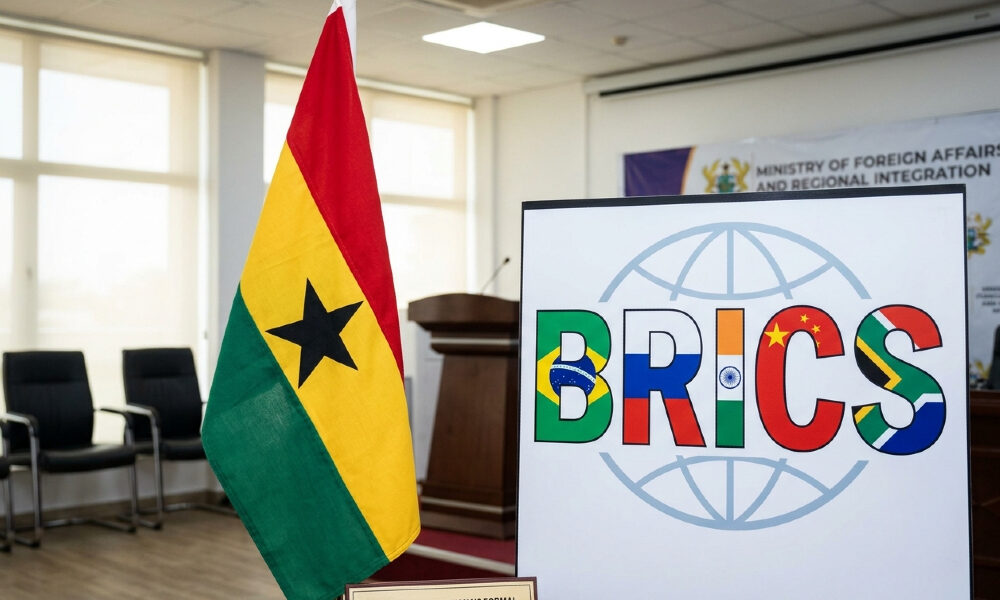
Ghana is preparing to knock on the BRICS door. Its Cabinet has approved a formal application to join the bloc, Foreign Affairs Minister Samuel Okudzeto Ablakwa announced during a state visit by India’s External Affairs Minister, Subrahmanyam Jaishankar. Ablakwa called the decision historic. It is certainly deliberate.
The timing and the audience were no accident. India is a founding member of BRICS, and Ghana has asked New Delhi for help navigating the application process. That is smart diplomacy: in a club that admits members by consensus, a friendly sponsor from inside is worth more than any brochure.
A Pivot with a Purpose
The logic is clear enough. President John Dramani Mahama’s government wants to diversify Ghana’s international partnerships, open new export markets and secure alternative economic and resource arrangements. It frames BRICS as one pillar of a broader “New Economy” agenda built around long-term transformation.
Ghana is hardly alone. South Africa, Egypt and Ethiopia are already full members. Nigeria and Uganda have joined as partner countries, a lower tier of affiliation, and Zimbabwe is among those preparing or submitting applications of its own. For African governments, BRICS offers a counterweight to a Western-built economic order that many feel has served them unevenly.
Not Yet a Member
Enthusiasm should not be mistaken for admission. Cabinet approval signals an intention to apply, nothing more. Entry requires the consensus of existing members, and Accra has not said whether it wants full membership or partner status. That choice matters. Partner status buys a seat at the margins at lower cost; full membership brings influence and obligations in equal measure.
The Cedi Tells the Real Story
The most telling move may be a technical one. Ghana now allows importers to pay for eligible Chinese goods in cedis, rather than first scrambling for U.S. dollars. Chinese suppliers are paid in yuan, but Ghanaian businesses can fund those payments from cedi balances. GCB, a Ghanaian bank, is preparing to offer a similar option.
The motive is plain. China accounted for 22.3 percent of Ghana’s imports in 2024, according to the Bank of Ghana, which is also eager to engage Chinese counterparts on the opportunities created by Beijing’s expanded zero-tariff policy for African countries. When a fifth of your imports come from one partner, paying for them in dollars adds cost, delay and exposure to a currency you do not control.
Hedging, not Defecting
It is tempting to read all this as Ghana choosing sides. That would be a mistake. Nothing in either announcement severs Ghana’s existing ties; both widen its options. Smaller economies rarely have the luxury of loyalty. They have the discipline of diversification, and Accra is practicing it.
The harder questions lie ahead. Will BRICS members grant Ghana a seat, and at what tier? Can a currency arrangement that eases trade with China survive the cedi’s own volatility? And will diversification yield real export markets or merely new dependencies? Ghana has made its opening move. The substance will depend on what it can extract from the next one.
Mark-Anthony Johnson is the founder and CEO of JIC Holdings, a global asset and investment management firm founded in 2009. With over 30 years of experience and strong ties to Africa, his investments span mining, infrastructure, power, shipping, commodities, agriculture, and fisheries. He is currently focused on developing farms across Africa, aiming to position the continent as the world’s breadbasket.