Business
Ghana moves to bolster currency – adds 2 percentage points to interest rate
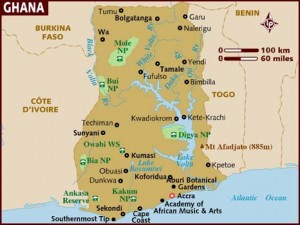
(Reuters) – Ghana’s central bank – The Bank of Ghana, raised its main policy rate by 200 basis points 18 percent on Thursday in a drive to curb a fall in the cedi currency and combat external pressures, Governor Henry Kofi Wampah told a news conference.
It was the first shift in the rate since May. A move had been expected, although most analysts forecast a 100 basis point rise. Analysts said they welcomed the decision.
Ghana follows emerging markets such as India, Turkey and South Africa that increased borrowing costs in January to support their currencies after the U.S. Federal Reserve’s decision to roll back its bond buying shook emerging markets.
Ghana’s strong growth is based on exports of gold, oil and cocoa but import-led demand for dollars caused the cedi currency to depreciate nearly 20 percent in 2013 and 4.7 percent so far this year, according to Thomson Reuters data.
The slide is just one macro-economic problems faced by the government.
“The uncertainties in the outlook and weakened domestic fundamentals underscored the need for continued tight fiscal and monetary policies and measures that will reduce the country’s vulnerability to shocks, re-anchor inflation expectations and sustain macro economic stability,” Wampah said.
“These informed the decision to increase the policy rate by 200 basis points,” Wampah said after an emergency meeting of the Monetary Policy Committee.
The Bank of Ghana was also under pressure to act because of inflation, which in December hit a three-year high of 13.5 percent in a country viewed as one of Africa’s brightest prospects because of its stable democracy and high gross domestic product (GDP) growth.
To that end, Wampah announced a series of measures on Wednesday to tighten foreign exchange controls.
An “initial forecast” showed that, without those measures, Ghana would miss its 11.5 percent upper target for inflation to land at 12 percent, he said. “What we are trying to do with these policies is to really make those cedi assets more attractive and therefore instead of going to buy dollars you will rather buy treasury bills, Bank of Ghana bills and so on,” he said.
Wampah also said he wanted to stop a burgeoning black market and the pricing of local transactions in dollars. Payment in dollars is becoming more common for rent and in other areas as people seek shelter from the falling cedi.
More broadly, he said the government should broaden its tax and export base and consider renegotiating stabilization agreements.
“I am pleased that they decided to go for a relatively large increase. Bold action is needed to prove to investors and traders that the central bank is serious about addressing the impact of the weakening cedi,” said Melissa Verreynne, an economist at NKC Independent Economists in South Africa.
Yvonne Mhango, an analyst with Renaissance Capital in South Africa, said she did not expect the impact of the rate decision on the currency to be significant as long as the country’s deficits remain large.