News
Gabon at a Crossroads: Economic Challenges and Hopes for Reform Amid Presidential Elections
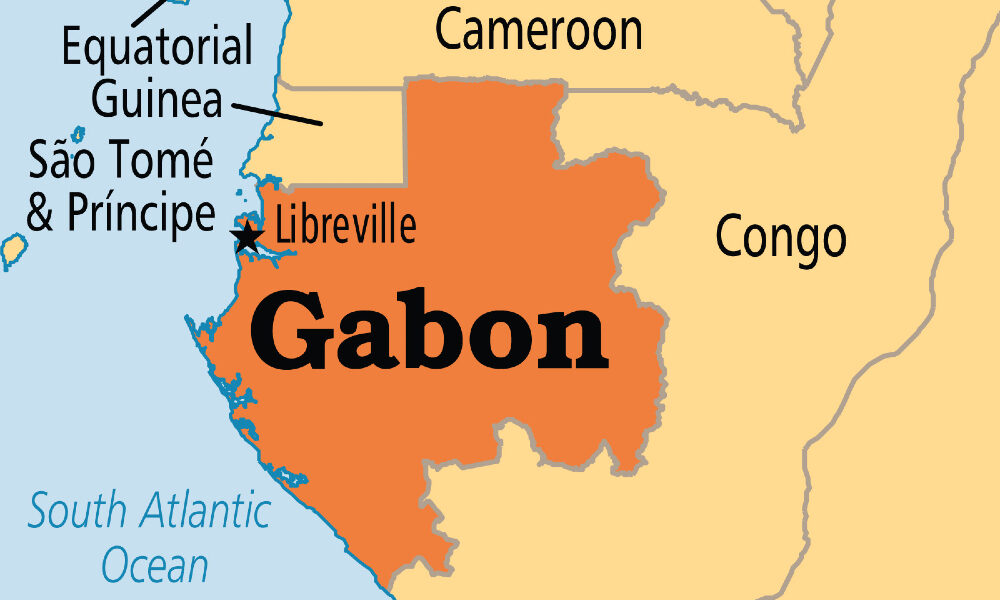
Gabon, an oil-rich central African nation, faces significant challenges as it heads to the polls this Saturday for its first presidential election since a coup ended over 50 years of Bongo family rule. After 19 months under military leadership, the country urgently needs economic diversification and infrastructure revitalization but remains burdened by heavy debt.
The coup leader, Brice Oligui Nguema, is now a presidential candidate. His campaign reflects growing government acknowledgment of the need for economic reform.
Phrases like “eliminate waste,” “move away from a windfall economy,” and “paradigm change” dominate discussions within Gabon’s ministries.
Economy Minister Mark Alexandre Doumba recently stated, “Today we have no choice but to make other choices.” Decades of mismanagement under the Bongo dynasty have left Gabon grappling with what Budget Minister Charles Mba termed “financial evaporation.”
Between 2010 and 2023, Gabon allocated US$29 billion for investments, yet little tangible infrastructure – roads, hospitals, or schools – exists today.
The inefficiency is stark: Gabon has a motorway department but no motorways. Only 2,000 of its 10,000 kilometers (1,240 to 6,200 miles ) of roads are usable.
The Trans-Gabon Railway, critical for mining exports, suffers frequent derailments due to deteriorating tracks laid decades ago. Similarly, the national electricity grid operated by SEEG experiences chronic outages, fueling public discontent.
Interim SEEG administrator Steve Saurel Legnongo noted that energy consumption nearly doubled between 2010 and 2024, yet no structural investments were made in two decades.
Under Oligui’s interim leadership, large-scale projects have progressed through increased borrowing, often struggling to materialize. Deputy Prime Minister Alexandre Barro Chambrier lamented last month, “The lack of follow-up on development policies has cost us much efficiency.”
Years ago, Gabon seemed poised for success with abundant natural resources – oil, manganese, and uranium – but complacency set in. “We thought we didn’t have to do anything since everything fell from the sky,” admitted Industry Minister Lubin Ntoutoume.
Despite billions in annual oil revenues since the 1950s, Gabon’s debt-to-GDP ratio rose from 72.1 percent two years ago to 73.3 percent last year and is projected to reach 80 percent this year. Meanwhile, oil production has halved over three decades, dropping from 500,000 barrels per day in 1996 to 250,000 today, according to the IMF.
Declining global oil prices and U.S. tariffs further complicate matters.
With depleting reserves and no major discoveries, Gabon’s oil-dependent economy faces long-term risks. Over the same period, the population doubled from 1.1 million to 2.3 million, exacerbating social issues.
Per capita income has fallen by half in 50 years, and over a third of Gabonese live below the poverty line, reports the World Bank. Youth unemployment stands at 40 percent, exceeding 60 percent in rural areas.
Campaigning for a seven-year term, Oligui pledges “growth towards happiness.” In Donguila, he assured citizens, “An oil-producing country doesn’t starve… Don’t be afraid!” He aims to secure private and international financing to rebuild the nation.
However, financial analysts recommend cutting public spending, reassessing taxation, and leveraging Gabon’s environmental credentials. As one of Earth’s green lungs, Gabon champions carbon neutrality initiatives, earning praise from the World Bank.
For Gabon, the path forward requires balancing immediate fiscal pressures with sustainable reforms to ensure prosperity beyond its dwindling oil wealth.