Life
From The Help to The White House: Celebrating the African-American Journey
The black women who were maids in the American South before the Civil Rights movement of the 1960’s became the mothers and grandmothers of today’s doctors, lawyers, business professionals, CEOs, and yes, the first lady of the United States.
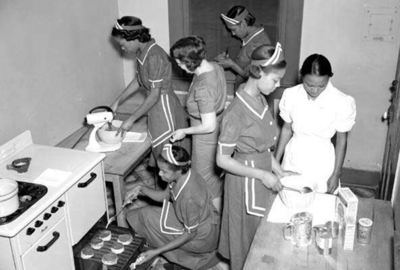

This January, 1939 photo depicts a “Negro Home Service Demonstration Project at 1735 Josephine Street in New Orleans. This appears to have been a Works Progress Administration program training African Americans to work as maids and household servants. Photo by unnamed WPA photographer.
The black women who were maids in the American South before the Civil Rights movement of the 1960’s became the mothers and grandmothers of today’s doctors, lawyers, business professionals, CEOs, and yes, the first lady of the United States.
Domestic workers in the U.S. are now largely Hispanics and people of Caribbean descent. Immigration, pay scales and working conditions have shifted the paradigm of social mobility, and African-Americans have been the beneficiaries of their own hard work and struggle.
The civil rights movement created broader opportunities for black women and men, who were previously relegated to working-class roles. Of course, disparities and barriers to progress remain prevalent in American society, but this latest Hollywood homage to the lives and stories of African-American women who never knew our kind of freedom and opportunity should encourage pause and reflection, while measuring the distance between their past and our future.
“The Help” has received mostly positive reviews from mainstream audiences and critics, but the response among African-Americans has been mixed. The film, based on the best-selling novel by Atlanta author Kathryn Stockett, chronicles a familiar story of the black maids who kept many white Southern homes running for a century following the Civil War. It follows the well-established Hollywood tradition of films about black-white relations, in which the story is told primarily through the eyes of the central white character – who is inevitably transformed through their experiences with black people. Though African-Americans may have a powerful role in the narrative, they are never the central character, and as such are still relegated to the help – both on-screen and behind the proverbial curtain.