Editorial
Explaining Baltimore to the World
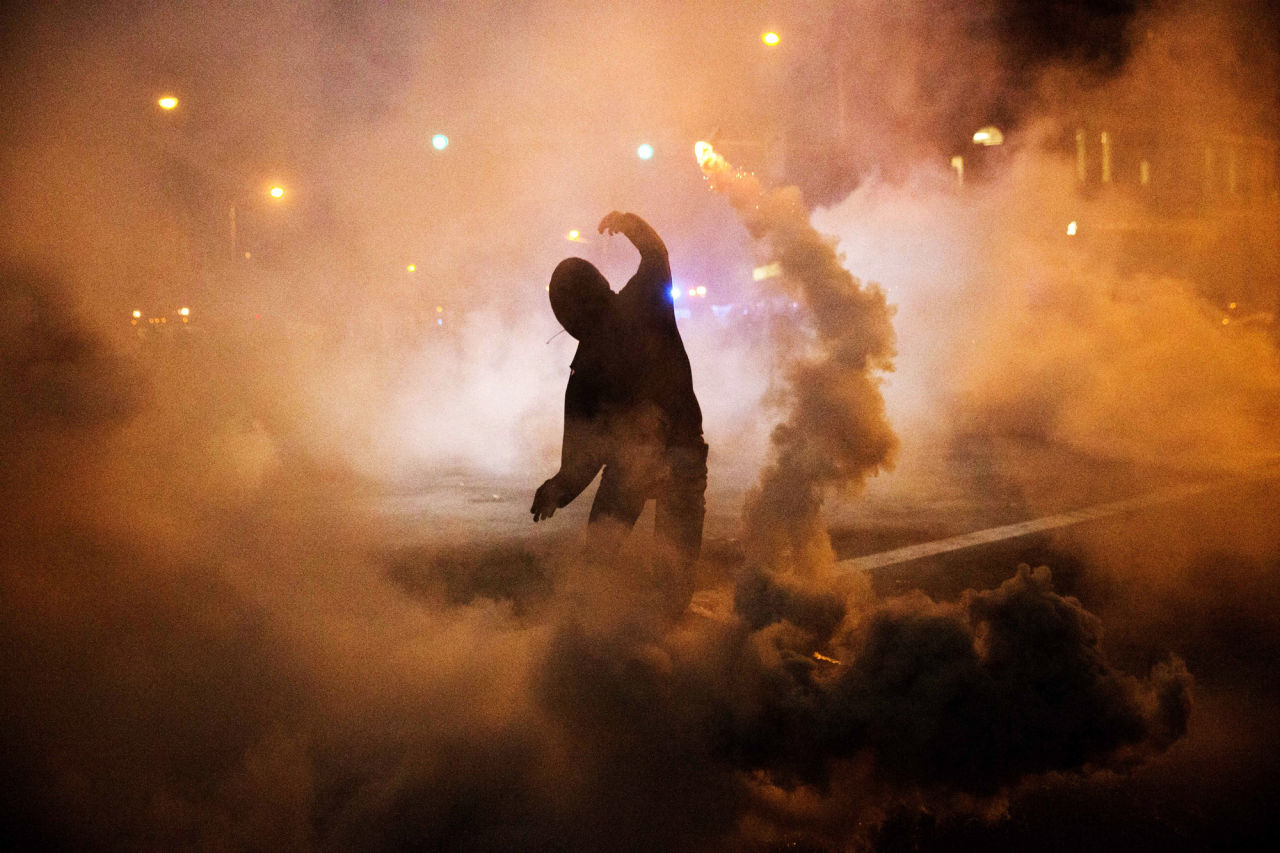
We neither come to condone nor criticize. We are cyphers. We are sirens of old. We are interpreters of entrails, and this week, the entrails belong to the Americans in Baltimore. In a social meeting with a Baltimore medical examiner – she was at Starbucks – she explained that she had actually seen her share of black bodies. And most of them had a few things in common: They were young. They were black. They had been shot. While she was not yet cynical, she wondered when this was going to stop. Why were black men dying at the rate they were? Of course, she is at the end of a short journey and has a simple role on her mortuary table – to determine cause of death. Most of this is, obviously, homicide and this information is passed on to the next level. Statistics will show that many of these crimes remain unsolved; hearts – like they have for a long time – remain restless for peace, and the songs sang by young black men about their ‘Dead Homies’ continue to come.
But the recent death of a man at the hands of the police was a little too brazen, even for inner city police. The 6 people that have been charged with this recent death are all from the Baltimore police force and are a mixture of black and white. While some are quick to say that racism is not at play here, there’s no doubt that the sort of policing that starts with a suspect being arrested on suspicion and ends up with him dead a few days later from broken spines is just unacceptable. And so, while it is almost faux pas to say this, we prayed that the protesters be heard – in whatever form they expressed themselves. It does not matter that parts of Baltimore were burned. It does not matter that a policeman was injured. It does not matter that the media chose to make a hero out of a woman disciplining her teenage son. What matters more than anything else is that the protests led to a very swift indictment of the police force. Of course, it is going to be very hard to prove – beyond reasonable doubt – that these police people had malicious intent or a hand in the young man’s death.
However, we have to juxtapose it with the other high profile cases of what was, ostensibly, racism against black people. Invariably, we may not necessarily have to do this: Relations between the police and black people may have changed forever. With body cameras being pushed on all American police officers, there’s a chance that extrajudicial killings will reduce. More importantly, blacks may no longer be afraid to stand up for themselves. Perhaps, more and more black men will not run away for fear for their lives since their lives will be protected by the millions of people behind those body cameras. The police will no longer do things that go against the semblance of humanity and equality. And here, this was the essence of a racist America. Blacks were not equal to whites, or any other race, for that matter. They receive the brunt of policing – good and bad, and for some reason, this was a barrel of gun powder waiting for a spark. Now, the spark has become body cameras. Big Brother has, indeed, come to the rescue.
The Habari Network Editorial Board
May 4, 2015