Alorh’s eye on the Motherland
Evolving Power Dynamics in sub-Saharan Africa


By Mary Alorh
The shifting dynamics of global power over recent decades have profoundly impacted policies and diplomatic relations, particularly in sub-Saharan Africa.
African nations are reevaluating their long-standing diplomatic relationships and agreements, many of which date back to the colonial era. These shifts have significantly influenced the political and economic strategies of countries in the region.
During the Cold War, ideological divisions redefined global geopolitics, straining relations between neighboring nations with conflicting allegiances. Colonial-era agreements, such as those allowing France to maintain military bases in its former colonies, have had a lasting impact, particularly in the realm of defense cooperation.
In recent years, leaders in the Sahel region have sought to challenge the status quo. Many argue that colonial-era agreements have hindered national development, serving the interests of former colonial powers rather than their own.
This perspective has driven a reassessment of diplomatic pacts and a pivot towards fostering economic growth and stability.
This shift has led to a profound realignment in the region’s foreign policy. Countries like Mali, Burkina Faso, and Niger have moved away from traditional alliances with France, seeking partnerships with emerging global powers such as Russia and China.
These new relationships, often framed through defense and economic agreements, reflect a broader desire for sovereignty and self-determination.
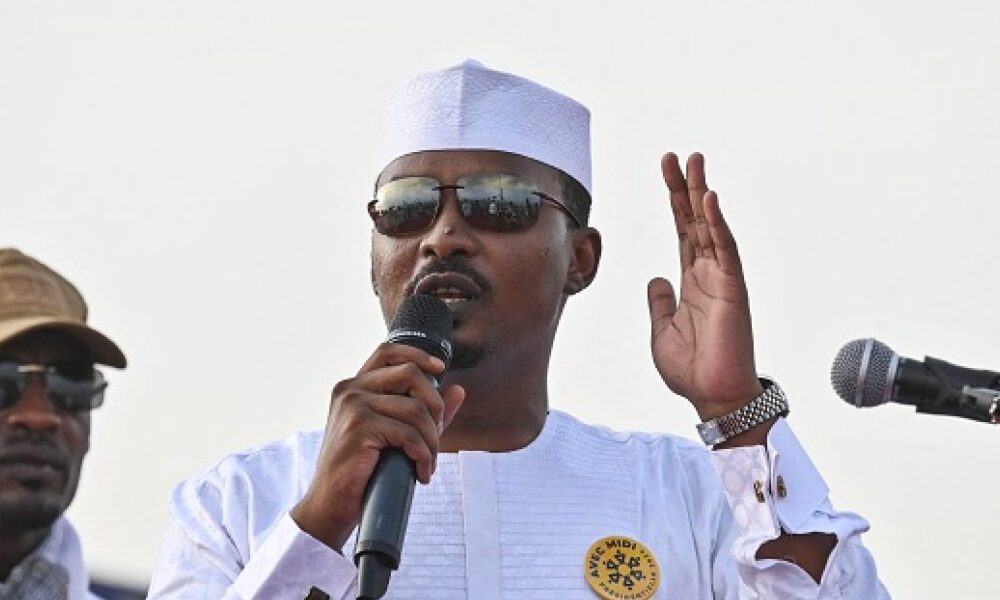
Chad is the latest nation to embrace this trend. Positioned in the volatile Sahel region and surrounded by nations with paramilitary influences, such as Sudan, Libya, and the Central African Republic, Chad faces significant security challenges.
To safeguard its sovereignty, Chad has sought new alliances, including a defense pact with Hungary, while requesting the removal of French military forces from its territory.
The Sahel remains a hotspot for violence and instability, posing a threat to democratic values and regional security. To address these challenges, the African Union and other continental bodies must adopt a comprehensive, collaborative approach to promote stability and counter the rise of anti-democratic and anti-Western movements across the region.
Mary Alorh is Director of Administration at DefSEC Analytics Africa Ltd., and is an expert in Gender, Youth, and Peace & Security initiatives in West Africa.