Business
Ethiopia Takes the Leap: Trading Under AfCFTA Begins After Seven-Year Preparations


By Des H Rikhotso
After seven years of strategic preparation, Ethiopia is officially set to begin trading under the African Continental Free Trade Area (AfCFTA) marking a historic milestone in the nation’s economic integration with the continent. Having signed the landmark agreement in Kigali in 2018, Ethiopia now joins 23 other African nations in full operational implementation of the world’s largest free trade area by number of participating countries.
The move positions Ethiopia to tap into a unified market of 1.4 billion people and a combined GDP of US$3.4 trillion – ushering in transformative opportunities for exporters, investors, and regional value chains.
Strategic First Steps: Targeting Key Markets
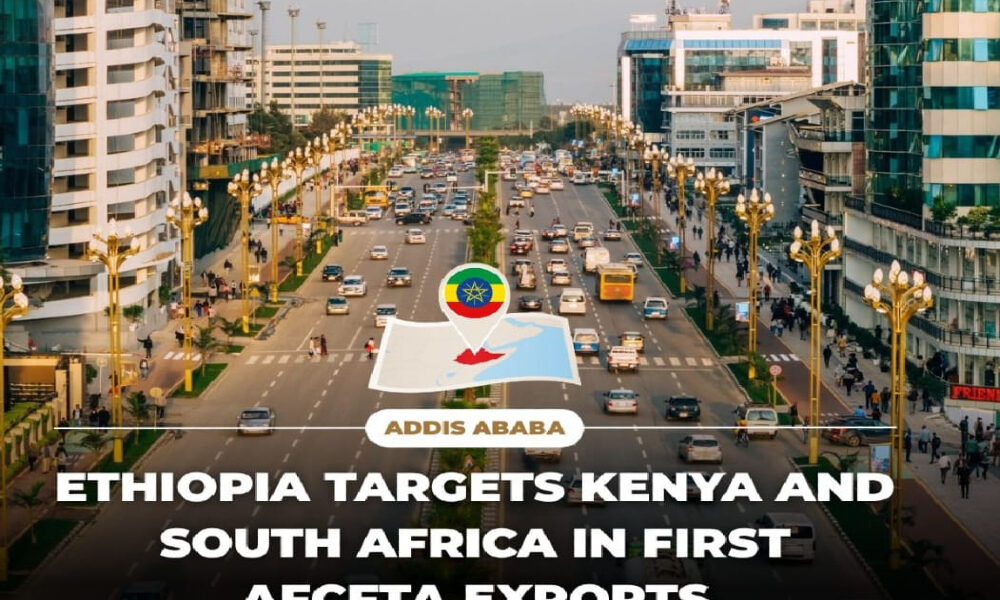
In its initial phase, Ethiopia will prioritize exports to South Africa and Kenya – two of Africa’s most dynamic economies. Over 40 domestic exporters have already registered under the AfCFTA framework, with a select cohort poised to ship goods as early as this week.
These shipments will span a diverse portfolio of products, including premium Ethiopian coffee, fresh fruits and vegetables, meat, beans, edible oils, and value-added manufactured goods such as textiles.
This targeted rollout reflects Ethiopia’s pragmatic approach to market entry, balancing ambition with operational readiness.
Comprehensive Regulatory Alignment
Ethiopia’s readiness stems from extensive institutional groundwork. The government has ratified eight core AfCFTA protocols – covering critical areas such as investment and intellectual property rights, competition policy, digital trade, dispute settlement mechanisms, and inclusive policies focused on women and youth entrepreneurs.
Under the current tariff liberalization schedule, 90 percent of goods fall into the fully liberalized category, 7 percent are classified as “sensitive” (subject to longer phase-in periods), and just 3 percent remain in sectors Ethiopia intends to protect – primarily for strategic or developmental reasons.
Expanding Regional Partnerships
Beyond South Africa and Kenya, Ethiopia plans reciprocal trade engagements with eight additional AfCFTA member states: Tanzania, Uganda, Zambia, South Sudan, Nigeria, Malawi, Cameroon, and Egypt. These partnerships are expected to deepen supply chain linkages and foster intra-African industrial collaboration.
Moreover, Ethiopia is advancing preparations to liberalize key service sectors – including telecommunications – in alignment with AfCFTA’s Protocol on Trade in Services. This move could catalyze digital innovation, cross-border fintech expansion, and improved connectivity across the region.
Catalyst for Continental Integration
The AfCFTA represents more than a trade pact – it’s a blueprint for Africa’s economic sovereignty. By reducing tariffs, harmonizing regulations, and promoting local value addition, the agreement aims to shift the continent from a raw material exporter to a hub of integrated manufacturing and services.
Ethiopia’s entry into active trading under AfCFTA sends a powerful signal: Africa is open for business – not just globally, but among itself. For Ethiopian businesses, this is not merely an opportunity to export more, but to compete smarter, innovate faster, and integrate deeper into pan-African markets.
As implementation unfolds, stakeholders – from policymakers to private sector players – must ensure inclusive participation, infrastructure readiness, and seamless customs procedures to fully harness the agreement’s potential.
One thing is clear: Ethiopia’s AfCFTA debut marks not an endpoint, but the beginning of a new chapter in Africa’s journey toward shared prosperity.
Des H Rikhotso (PgDip-BA, MBL) is a seasoned C-suite Multi-Industry business executive with 25+ years of Business Leadership Experience across the South, East and Western Sub-Sahara Africa Region. Based in Kampala, Uganda he serves as East Africa Region Business Executive, driving Business Strategic Growth and Operational Excellence – contributing his Leadership Voice and Clarity to the Region. Des has held Business Leadership roles at BMW Group Africa, Volkswagen Group Africa, Peugeot Motors South Africa, Toyota/Lexus South Africa, Nissan Group of Africa, G.U.D Holdings (Africa Exports Operations Division) and The HDR Group of Companies. He holds Under-Graduate and Post-Graduate business degrees from the University of the Western Cape, Wits University (Wits Business School) and the University of South Africa.