Politics
Egypt: Former President Hosni Mubarak released from jail – placed under house arrest
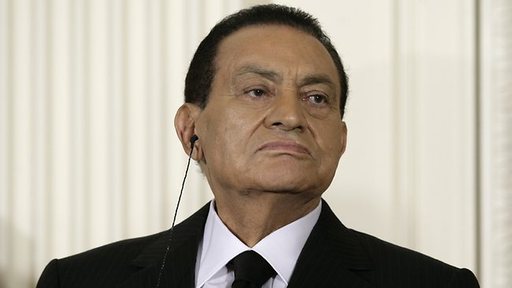
Former Egyptian President Hosni Mubarak. PHOTO/File
Toppled dictator Hosni Mubarak left jail for under house arrest on Thursday but his release stirred little reaction as Egypt wrestles with the fallout from Islamist president Mohamed Mursi’s ouster.
Mubarak, who was overthrown in a 2011 uprising, was flown from Tora prison in Cairo, a day after a court granted him conditional pre-trial release.
But an order from the country’s interim prime minister, who has additional powers under Egypt’s state of emergency, means Mubarak will stay under house arrest.
The 85-year-old, who is believed to be in poor health, was taken by helicopter to a nearby military hospital, where he has previously received medical treatment.
The spectacle of one toppled president being allowed to leave jail even as authorities hold another – Mursi at an undisclosed location, has attracted international attention.
But in Egypt, the response has been muted, even from some of those who took part in the uprising against Mubarak.
Nearly 1,000 people have been killed in clashes between Islamists and security forces after police cleared two pro-Mursi protest camps in Cairo.
The turmoil and uncertainty has left many Egyptians more concerned about the future of the country than Mubarak’s transfer.
Egyptian media relegated news of his transfer to small items on their front pages or news bulletins, with little discussion of the symbolism of the moment.
After the bloodshed of the last week, most Egyptians have appeared eager to get back to normal life as quickly as possible.
As pro-Mursi protests have dwindled in size, traffic has returned to the streets, at least in the hours before a night-time curfew begins.
The symbolism of Mubarak’s release has not been lost entirely, with some Egyptians on social media networks struck by how their country has returned to a time when Mubarak was free and the Muslim Brotherhood in jail.
Both Mubarak and several arrested Brotherhood leaders including supreme guide Mohamed Badie are scheduled to appear before courts on Sunday. And one of the charges Mubarak faces, complicity in the deaths of some of the 850 people who died during the uprising against him, is similar to that faced by Brotherhood leaders including Mursi and Badie.
They both face allegations of inciting the deaths of protesters in relation to deadly protests that took place during Mursi’s time in office.
Mubarak and Mursi are in quite different situations, however, noted Egyptian analyst Hisham Kassem.
Mubarak “committed numerous crimes against the country, but managed to hide the evidence, particularly as all the state’s institutions were working for him at the time he was overthrown.”
“The opposite is true for Mursi, who was thrown in prison while all the state’s apparatus were against him.”
Kassem said Mubarak’s release inspired little interest among Egyptians because he remains on trial, and they felt certain his regime is definitively over.
Copyright 2013 AFP