Zina’s Youth View on Africa
Dynastic Power in Africa: The Rise of Family Succession and Its Impact on Democracy


By Godfred Zina
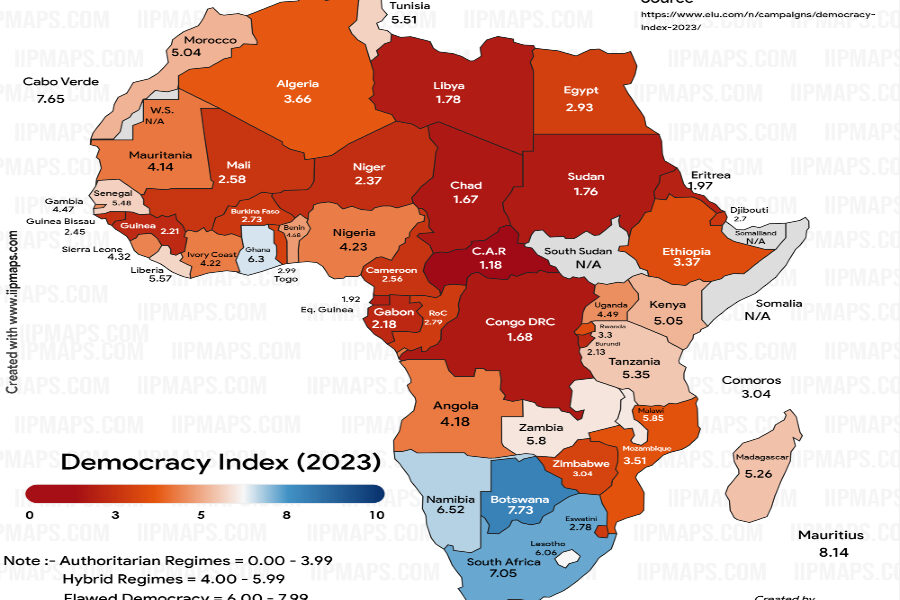
As Gabon takes significant steps toward returning to democratic rule and ending the Bongo dynasty with its proposed election on April 15, other African countries are consolidating power and preparing their children to assume leadership.
Dynastic Leadership in Comoros and Uganda
For the first time, the president of Comoros has announced his intention to hand over power to his son upon leaving office in 2029. Similarly, there have been concerns about Ugandan President Yoweri Museveni’s efforts to consolidate power and groom his son for leadership, especially after appointing him as head of the military.
Last year, Museveni’s son declared his candidacy for the 2026 presidential election, stating that it was “time for our generation to shine,” before retracting the tweet.
Controversial Elections and Power Consolidation
In Ivory Coast (Côte d’Ivoire), following controversial elections and the silencing of political opponents through arrests, the ruling party has backed President Alassane Ouattara’s bid for a fourth term in 2025, after amending the constitution to allow him to run in 2020. Is this truly democracy?
Dynastic Rule in Equatorial Guinea and Cameroon
Meanwhile, in Equatorial Guinea, where the president has been in power since 1979, it is believed that he is preparing his son for the presidency by appointing him vice president.
Paul Biya of Cameroon, who has shown signs of running for president again in 2025, is also thought to be grooming his son for the same role.
The Gnassingbé Dynasty in Togo
In Togo, the Gnassingbé dynasty has solidified its grip on power, with President Faure Gnassingbé succeeding his father, Gnassingbé Eyadéma, in 2005. Eyadéma ruled for 38 years, making Togo a political dynasty.
The Impact of Dynastic Transitions on Africa
So, what does this mean for Africa’s future?
Dynastic transitions of power may lead to conflict, public dissatisfaction, and even protests, as seen in Togo. Furthermore, democratic institutions could weaken as elections often fail to be free and fair, with opposition figures intimidated, arrested, or imprisoned.
This practice may also hinder development, as leadership succession is based on family loyalty rather than competence.
Godfred Zina is a freelance journalist and an associate with DefSEC Analytics Africa – a consulting agency specializing in the provision of accurate data and assessments on security, politics, investment, trade, and other risks within Africa. He is based in Accra, Ghana.