Opinion
Decolonizing African agriculture: Option or Utopia?
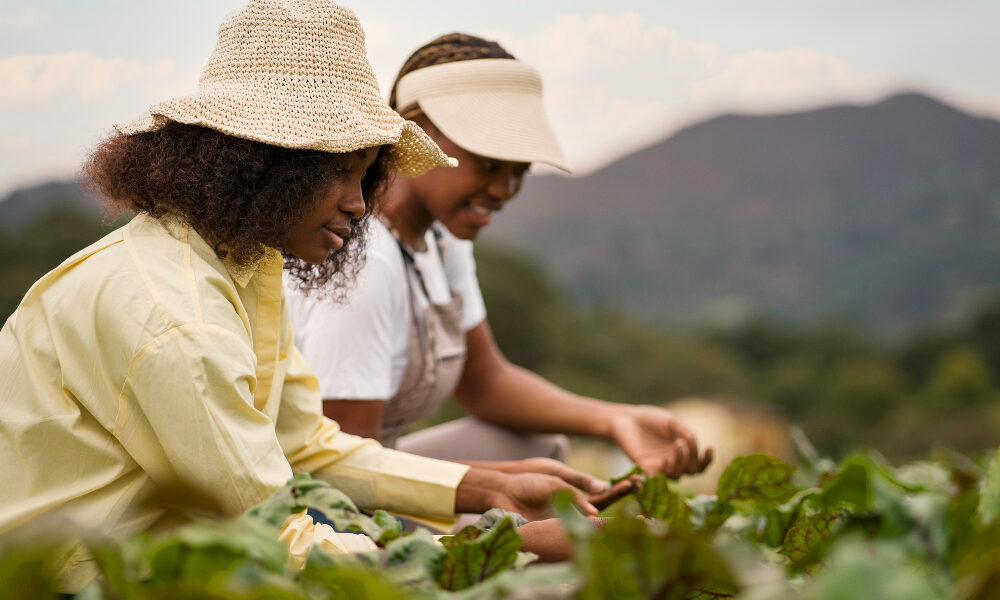
By Danilo Desiderio
The Food and Agriculture Organization of the United Nations (FAO) recently released the State of Food Security and Nutrition in the World 2024 report, highlighting the persistent and growing challenge of food insecurity in Africa. According to the report, Africa remains the region with the highest rates of hunger, with 298.4 million people facing hunger in 2023.
By comparison, hunger affected 41 million people in Latin America and the Caribbean and 3.3 million in Oceania. Alarmingly, the prevalence of undernourishment in Africa has been steadily rising since 2015, in contrast to other regions such as Latin America, the Caribbean, and parts of Asia, where progress in food security has been more apparent.
A newly published book, Decolonizing African Agriculture: Food Security, Agroecology, and the Need for Radical Transformation, sheds light on systemic issues within Africa’s agricultural sector. The book argues that the sector remains heavily influenced by colonial legacies, with a significant portion of agricultural production aimed at meeting the demand of foreign markets, primarily in Europe.
Crops like tea, coffee, and cocoa continue to dominate agricultural outputs, even though they are largely consumed outside Africa and play a lesser role in addressing the continent’s nutritional needs.
Despite awareness of this dependency, many African nations prioritize development strategies that favor maintaining preferential trade relationships with former colonial powers. This approach often comes at the expense of fostering stronger regional trade or South-South cooperation, which could create more sustainable and inclusive agricultural systems.
Agroecology: A Sustainable Path Forward
Addressing Africa’s growing food insecurity requires a fundamental shift in approach. One promising strategy is agroecology, a farming method that integrates ecological principles into agricultural practices.
Agroecology emphasizes the interaction between crops, insects, and soil, aiming to enhance productivity with minimal reliance on costly external inputs. This approach not only improves sustainability but also aligns with the economic and environmental realities of African farmers.
Common agroecological practices in Africa include polycropping (cultivating complementary crops in the same field) and agroforestry (integrating trees with crops). These methods can increase yields, restore soil health, and, when implemented sustainably, reduce deforestation.
While agroecology presents a compelling solution, widespread adoption has been slow. However, there are encouraging signs of progress. For instance, the African Development Bank recently funded an agroforestry project in the Democratic Republic of Congo, aimed at rebuilding biodiversity and enhancing local livelihoods.
Initiatives like these demonstrate the potential of agroecology to address food insecurity while fostering environmental resilience.
Innovative Response
Africa’s food security challenges demand a comprehensive and innovative response. Prioritizing agroecology can reduce dependence on external inputs, mitigate the impact of global market fluctuations, and empower local communities.
For lasting progress, African governments, donors, and development agencies must champion and expand initiatives that promote sustainable farming practices. With continued investment and commitment, agroecology could play a pivotal role in transforming Africa’s agricultural landscape and ensuring food security for millions.
Danilo Desiderio serves as the CEO of Desiderio Consultants Ltd in Nairobi, Kenya, specializing in African customs, trade, and transport policies. He is a customs and trade expert at the World Bank and a senior associate to the Horn Economic and Social Policy Institute (HESPI).