Alorh’s eye on the Motherland
Coups and insurgencies threatening Africa’s security


By Mary Alorh
At the dawn of independence in Africa, coups were a widespread phenomenon. These coups were often supported by global powers to punish leaders who did not align with their “ideals”.
By the 1990s, democratic governance proliferated, with only a few undemocratic states remaining. Africa seemed poised for growth and development. Between 1990 and 2014, the continent experienced its highest levels of democratic rule.
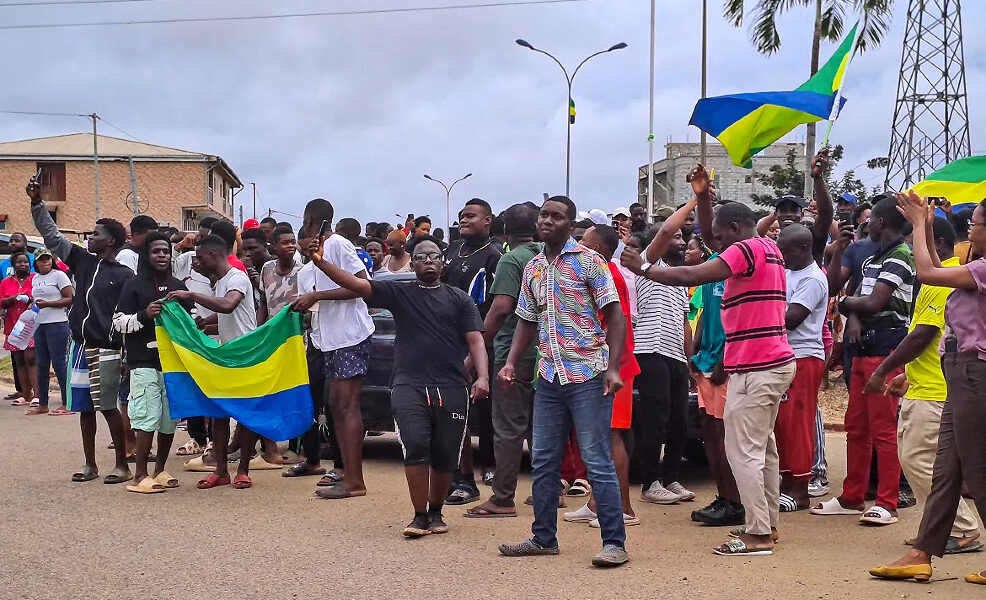
However, this period also saw civil wars in countries like Burundi and Liberia, and ongoing conflicts in places like Somalia. Since 2020, there has been a significant decline in democratic practices, marked by a resurgence of coups.
Some of these coups have toppled democratically elected governments, replacing them with military rule. The Sahel region, in particular, has seen rapid and widespread autocratic shifts, with Burkina Faso experiencing two successful coups within nine months.
Countering violent extremism and terrorist insurgencies has become a critical agenda. Groups affiliated with al-Qaeda, such as al-Shabaab, Boko Haram, and al-Qaeda in the Islamic Maghreb (AQIM) and its offshoot, Jama’at Nusrat al-Islam wal-Muslimin (JNIM), are active across West, East, and Central Africa. These groups destabilize regions and pose significant threats to civilians.
Africa has become a focal point of global concern due to the rise of terrorism, which threatens international security. Some major powers, like Russia, are capitalizing on this instability to expand their influence in the region.
The continent’s porous borders, especially within the sub-region, allow terrorist groups to infiltrate and instigate violence. Recently, even relatively stable countries like Benin have faced these challenges.
While civil wars and conflicts in the 1990s were primarily ethnically driven, recent conflicts have increasingly taken on a religious dimension through terrorist insurgencies, as seen in Nigeria.
Africa faces a growing threat from civil unrest, fueled by young people’s dissatisfaction with their governments and economic hardship exacerbated by national debt. This discontent is leading to protests similar to the Arab Spring, such as Sudan’s overthrow of Omar al-Bashir, Nigeria’s #EndSARS movement, Ghana’s #FixTheCountry campaign, and Kenya’s #KillTheFinanceBill movement.
The way forward
The African continent holds significant strategic importance in the global arena, underscoring the need for lasting solutions to its security challenges.
African nations must reevaluate their debt restructuring programs to provide support and relief to citizens facing hyperinflation and high living costs.
In conclusion, peace and security in Africa are crucial for global stability. Therefore, all necessary measures should be taken to ensure peace and stability on the continent.
Mary Alorh is Director of Administration at DefSEC Analytics Africa Ltd., and is an expert in Gender, Youth, and Peace & Security initiatives in West Africa.