Opinion
Could Ethiopia abandon Somaliland for a new port deal with Somalia?


By Godfred Zina
In January 2024, Ethiopia and Somaliland signed a memorandum of understanding that allowed Ethiopia access to the Red Sea via the port of Berbera, in exchange for recognizing Somaliland. However, this agreement sparked increased tensions between Ethiopia and Somalia. On April 4, Somalia demanded that the Ethiopian ambassador leave the country within 72 hours and called for the closure of Ethiopia’s consulates in Somaliland and the semi-autonomous Puntland region.
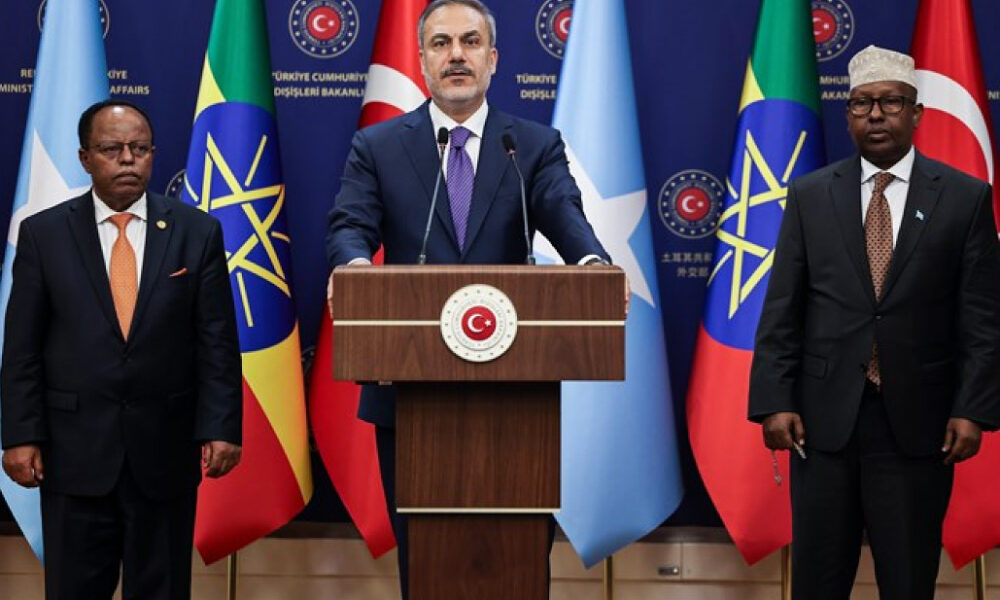
In response, Türkiye initiated mediation efforts to mend relations between the two East African countries, engaging in discussions with the leaders of both Ethiopia and Somalia. Türkiye, which has strong ties with both nations, has been involved in providing security training, development aid, and maritime support to Somalia.
Recent reports suggest that Ethiopia and Somalia’s foreign ministers have tentatively agreed to Türkiye’s proposal, which would grant Ethiopia port access through Somalia if it relinquishes its existing arrangement with Somaliland.
However, the situation remains complex. Somalia’s security is precarious, plagued by ongoing conflict with al-Shabaab, which controls certain regions and continues to carry out frequent attacks despite some military progress. Thus, the viability of establishing a successful port deal with Somalia remains uncertain.
Ethiopia, being landlocked, has a significant strategic interest in accessing the Red Sea for its economic and logistical needs. Without Somalia’s cooperation, Ethiopia would rely on its arrangement with Somaliland – a self-declared independent region not internationally recognized as separate from Somalia. Any deal allowing Ethiopian access through Somaliland could exacerbate tensions between Somalia’s federal government and Somaliland’s authorities.
Somaliland aspires to gain international recognition as an independent state, potentially becoming Africa’s 55th or 56th sovereign nation. Currently, the United Nations recognizes 54 sovereign African countries, while the African Union includes 55, with Western Sahara as a disputed entity.
Türkiye’s interest in East Africa includes maintaining stability to protect its investments, such as the more than US$100 million it has invested in Mogadishu’s international airport and port facilities managed by Turkish companies.
Across East Africa, there is a strong desire for peace, and it is crucial for all parties involved to work collaboratively to ease tensions and foster stability between Ethiopia and Somalia.
Godfred Zina is a freelance journalist and an associate with DefSEC Analytics Africa – a consulting agency specializing in the provision of accurate date and assessments on security, politics, investment, trade, and other risks within Africa. He is based in Accra, Ghana.