Opinion
Corruption in Africa: A Persistent Challenge and a Call for Ethical Business


By Dishant Shah
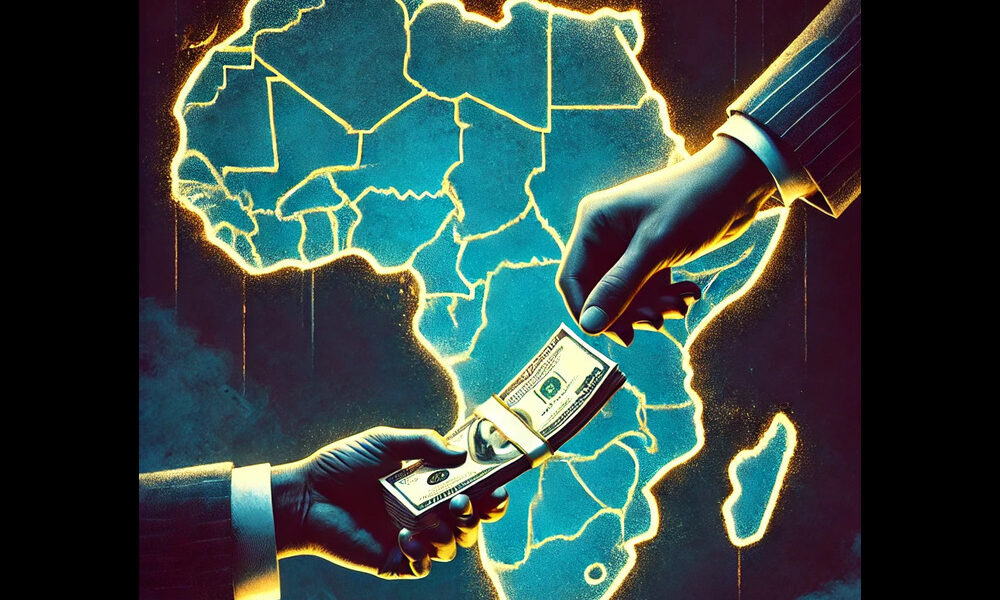
Corruption in Africa is not just a problem – it is a deeply entrenched reality affecting governance, business, investment, and everyday life. Its widespread influence seeps into both public and private sectors, creating significant hurdles for economic growth and social progress.
According to Transparency International’s 2024 Corruption Perceptions Index, Sub-Saharan Africa remains the lowest-scoring region globally, with an average score of just 33 out of 100. Alarmingly, around 90 percent of African nations scored below 50, signaling pervasive corruption across the continent.
For businesses, corruption manifests in many forms – bribery, fraudulent contracts, favoritism, and bureaucratic red tape. A Transparency International survey revealed that 58 percent of Africans believe corruption has worsened over the past year, while a staggering 22 percent of those who interacted with public services were forced to pay a bribe.
Small businesses and foreign investors often bear the brunt of these unethical practices, struggling to compete with entities willing to manipulate the system to their advantage. However, the issue extends beyond government institutions.
The private sector is equally affected, with business executives now ranked among the most corrupt groups alongside the police and judiciary. This environment makes it difficult for ethical companies to thrive when competitors gain an unfair advantage through illicit means.
A Path Forward: Ethical Business as a Solution
Does this mean businesses must accept corruption as an unavoidable part of doing business in Africa? Not necessarily.
The private sector has a unique opportunity to drive change and champion ethical governance.
Initiatives such as The Blue Company Project and the United Nations Global Compact are fostering a culture of integrity by encouraging companies to adopt transparent and corruption-free operations. Ethical business practices do more than just ensure compliance with regulations—they attract investors, build consumer trust, and create long-term sustainability.
Technology as a Tool Against Corruption
Innovation is also playing a crucial role in the fight against corruption. Blockchain technology enhances secure record-keeping, AI-powered systems detect fraudulent activities, and digital platforms are improving supply chain transparency.
Businesses that leverage these tools not only protect themselves from corrupt practices but also strengthen their reputations in the process.
Navigating Ethical Challenges in Business
Operating in Africa’s complex business landscape requires tough choices. Some companies choose to walk away from corrupt dealings, while others seek legal avenues to function within the system.
However, as global investors and consumers increasingly prioritize ethical governance, businesses that take a stand against corruption may find themselves better positioned for long-term success.
So, is corruption in Africa an unavoidable reality, or can businesses spearhead meaningful change by refusing to play along? The answer lies in the choices companies make today – choices that will shape the future of business on the continent.
Dishant Shah is a partner at Legion Exim, a company specializing in facilitating the export of high-quality engineering products directly sourced from manufacturers in India to Africa. His areas of expertise include new business development and business management.