Opinion
COMESA scales up efforts to facilitate movement of agricultural and food products in the region
By Danilo Desiderio
One of the major obstacles to the movement of agricultural and food products among African countries is the variation in Sanitary and Phytosanitary (SPS) regulations and standards. A common problem arises when products are rejected by importing countries due to the presence of additives, contaminants, or aflatoxin levels that exceed national limits.
Article XX(b) of the General Agreement on Tariffs and Trade (GATT) and the WTO Agreement on SPS grants member countries the authority to implement necessary measures to safeguard human, animal, or plant health, as long as these measures minimize trade restrictions. This principle is echoed in Annex 7 of the African Continental Free Trade Area (AfCFTA) Protocol on Trade in Goods, which advocates for the harmonization of technical regulations, standards, and conformity assessments among AfCFTA member states to prevent trade barriers.
The African Organization for Standardization (ARSO) is spearheading efforts to establish a conformity assessment system designed to enhance the quality of African goods and services, thereby facilitating intra-African trade and access to global markets.
Several Regional Economic Communities (RECs) have made notable strides in aligning their sanitary and phytosanitary measures. For instance, in 2013, the East African Community (EAC) member states adopted the EAC SPS Protocol, which outlines principles and procedures for harmonization. Most EAC countries have also synchronized their aflatoxin limits for various products and mutually recognized each other’s product certification schemes and safety standards for goods, including food items.
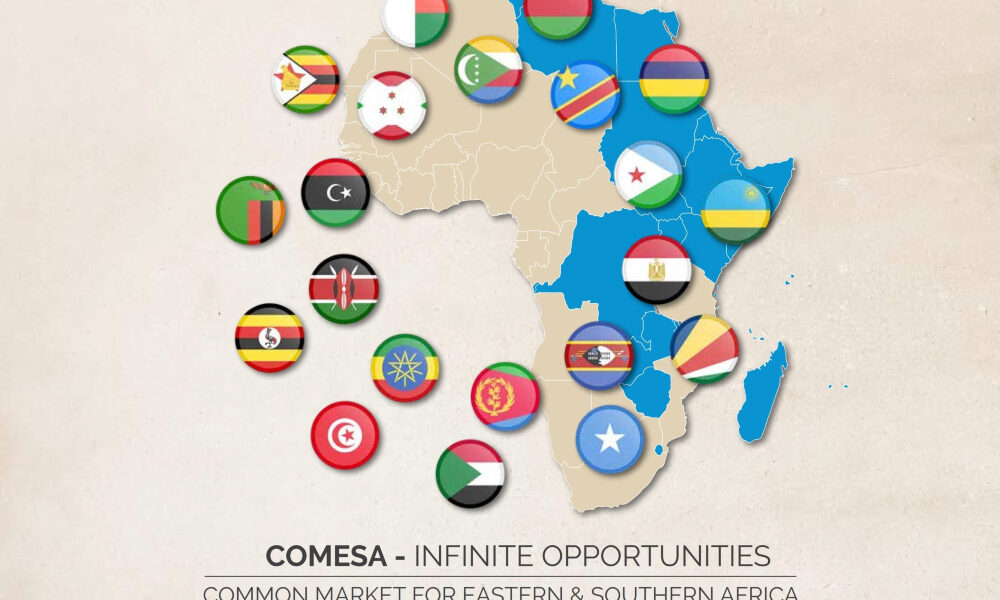
The Common Market for Eastern and Southern Africa (COMESA) has also taken proactive measures to address SPS barriers and facilitate trade. A workshop held from September 2-6 in Nairobi, Kenya, gathered experts from COMESA member states to finalize revisions to the COMESA SPS regulations, strategy, and implementation plans.
This initiative, in collaboration with the African Union Commission (AUC), aims to eliminate regulatory discrepancies that hinder trade by harmonizing SPS measures, establishing equivalence in standards, conducting risk assessments, and ensuring transparency in implementation. This harmonization is expected to streamline cross-border trade by reducing redundant testing and certification, which can significantly raise export costs, especially in the food and agriculture sectors.
The finalized regulations and implementation plans will be submitted to COMESA’s Policy Organs for formal approval later this year. Additionally, member states are working on a strategy to enhance capacity in both public and private sectors and improve coordination between national and regional authorities on SPS matters. This strategy emphasizes developing human and institutional capabilities to implement harmonized, science-based SPS systems.
Danilo Desiderio serves as the CEO of Desiderio Consultants Ltd in Nairobi, Kenya specializing in African customs, trade, and transport policies.