Business
China, Zambia, and Tanzania Sign $1.4 Billion Deal to Revamp the TAZARA Railway
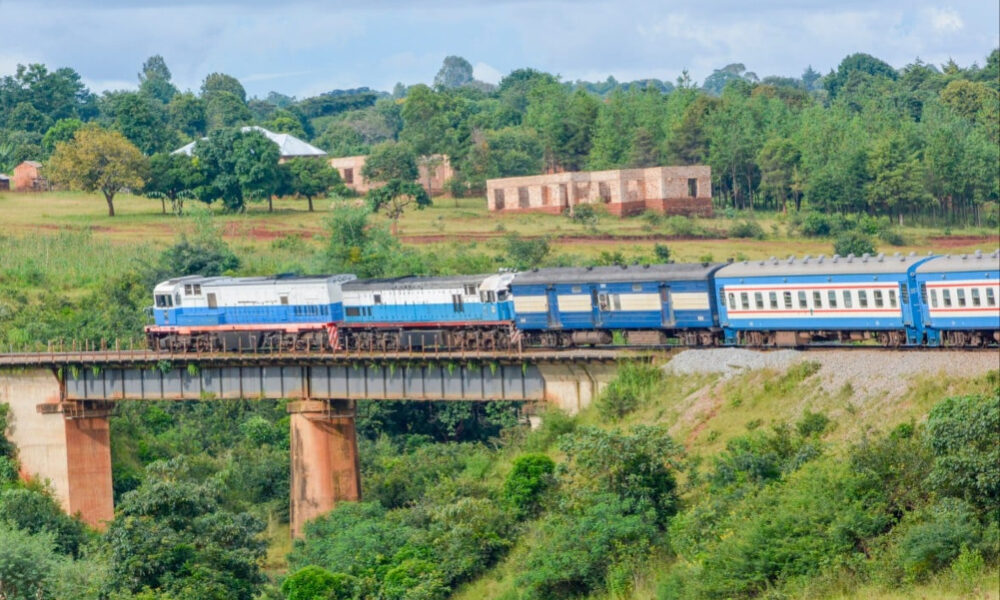
In a landmark move poised to reshape regional trade dynamics, China, Zambia, and Tanzania have inked a US$1.4 billion agreement to comprehensively modernize the Tanzania-Zambia Railway Authority (TAZARA) – a key infrastructure artery first built by China in the 1970s as a symbol of South-South solidarity.
The revitalization project targets the railway’s entire 1,860-kilometer (1,156-mile) corridor, with plans to lay new tracks, upgrade passenger and freight stations, reinforce aging bridges, and rehabilitate tunnels that have long constrained efficiency. Once complete, the line’s annual freight capacity is projected to surge from a mere 100,000 tons to an estimated 2.4 million tons – a 24-fold increase that could dramatically accelerate the movement of strategic commodities.
For landlocked Zambia, Africa’s second-largest copper producer, the upgraded TAZARA offers a faster, more reliable route to international markets via Tanzania’s Dar es Salaam port. Meanwhile, Tanzania stands to benefit from enhanced access to Zambian minerals and increased transit revenues, while also positioning itself as a critical logistics hub in East and Southern Africa.
The deal underscores China’s continued strategic engagement in African infrastructure, evolving from its historic aid-based model toward performance-driven partnerships aligned with the African Union’s Agenda 2063 and the African Continental Free Trade Area (AfCFTA). It also reflects a broader shift toward revitalizing legacy assets to meet 21st-century trade demands – particularly in a region where efficient, integrated transport networks are essential for industrialization and value-chain development.
Beyond commodities, the modernized TAZARA could spur cross-border agribusiness, manufacturing, and digital logistics – sectors increasingly central to both nations’ economic diversification strategies. With construction expected to commence in early 2026, the project is being closely watched as a potential blueprint for how trilateral cooperation can drive inclusive, infrastructure-led growth across the continent.