Owusu on Africa
Chad Sends Troops to Haiti – And Africa’s Moral Calculus
By deploying personnel to Haiti’s new Gang Suppression Force, Chad is not merely answering a UN call – it is asserting a strategic vision for African participation in global security. The move demands scrutiny, not skepticism.


By Fidel Amakye Owusu
When Kenya made the politically fraught decision to dispatch police personnel to Haiti several years ago, the move was far from universally welcomed at home. Critics argued – not unreasonably – that an East African nation grappling with the persistent menace of Al-Shabaab along its eastern border had little business projecting security resources thousands of miles across the Atlantic.
Why, they asked, should Kenyan officers risk their lives stabilizing a country most Kenyans had never visited, when homegrown threats remained unresolved?
Those objections were overruled. After protracted political and legal battles, Nairobi succeeded in deploying personnel to Port-au-Prince, where armed gangs had carved out territorial fiefdoms and were visiting systematic brutality upon civilians.
Kenya formally concluded its mandate this month and has since withdrawn its forces – leaving open the question of what comes next.
A Troubled Nation Steps Forward
The answer, it appears, is Chad.
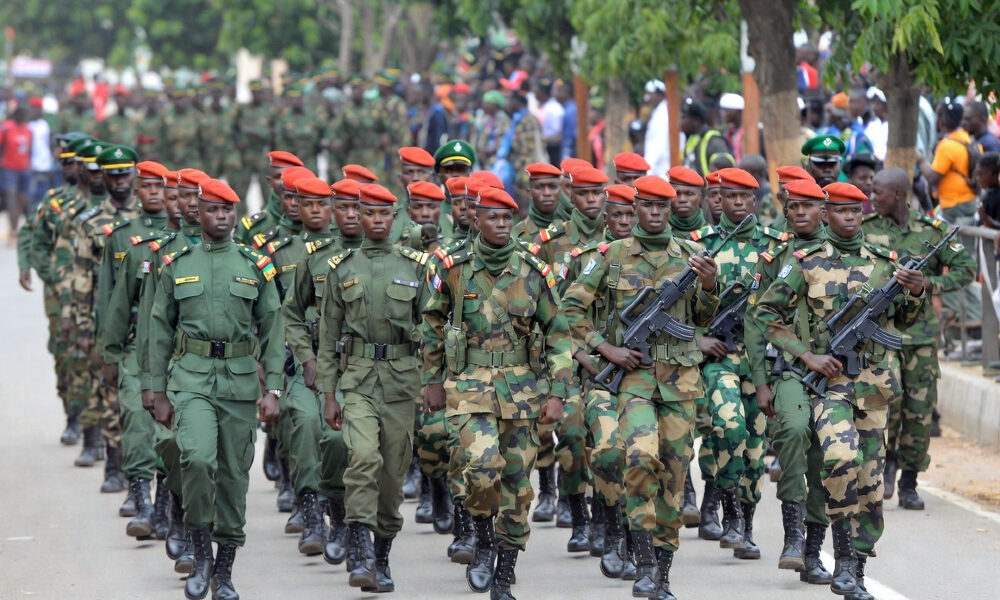
Despite shouldering some of the most acute security burdens on the African continent – including an active insurgency from the Islamic State West Africa Province threatening the Lake Chad Basin and a dangerous spillover of violence from the war in Sudan – N’Djamena has agreed to deploy 1,500 troops to the Caribbean nation. It is a commitment that will strike many observers as extraordinary, even reckless, given how severely Chad’s own security architecture is already strained.
Yet the decision reflects something more than geopolitical obligation or external pressure. While skeptics are quick to argue that African states are effectively doing the bidding of Western powers in Haiti – providing multilateral cover for interventions that Washington and its allies prefer not to undertake directly – there are genuine historical and moral currents that animate the continent’s engagement with the island-nation.
Haiti’s revolution, the first successful slave revolt in modern history, reverberates through the African diaspora in ways that transcend the cold logic of foreign policy. For many African governments, solidarity with Haiti is not merely strategic posturing; it carries real symbolic weight.
Africa’s Expanding Role in Caribbean Security
That said, the strategic calculus deserves scrutiny. Chad’s domestic security situation is precarious.
Committing a significant troop contingent abroad while facing simultaneous threats at home is a gamble that could strain an already-overstretched military. Whether N’Djamena has the institutional bandwidth to sustain such a deployment – and whether it will prove any more durable than Kenya’s mission – remains to be seen.
Meanwhile, the broader trend is worth noting. In recent years, Ghana and Rwanda have dispatched forces to Jamaica to assist with reconstruction efforts following a devastating hurricane, further cementing a pattern of African nations taking active roles in Caribbean security and humanitarian affairs.
Whether this constitutes genuine South-South solidarity or a more complicated form of outsourced peacekeeping is a debate the international community has yet to fully reckon with.
Fidel Amakye Owusu is an International Relations and Security Analyst. He is an Associate at the Conflict Research Consortium for Africa and has previously hosted an International Affairs program with the Ghana Broadcasting Corporation (GBC). He is passionate about Diplomacy and realizing Africa’s global potential and how the continent should be viewed as part of the global collective.