Opinion
Chad: Africa’s Overlooked Gem in the Heart of the Continent


By Des H Rikhotso
In a world where headlines often spotlight conflict and crisis, the story of Chad – a vast, resilient nation at the crossroads of Central and North Africa – rarely receives the attention it deserves. Yet this landlocked giant, the fifth-largest country on the continent, holds a wealth of untapped potential, cultural depth, and natural beauty that demands recognition.
A Nation of Staggering Scale and Strategic Significance
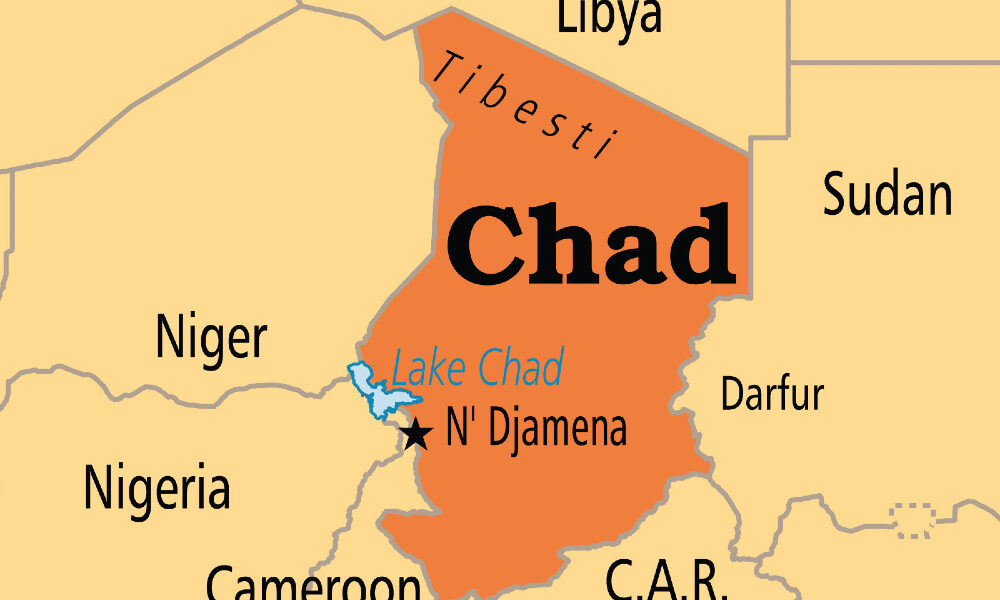
Covering 1.284 million square kilometers – larger than France and Germany combined – Chad is a geographic colossus. Nestled in the heart of Africa, it shares borders with six nations: Libya to the north, Sudan to the east, the Central African Republic to the south, Cameroon and Nigeria to the southwest, and Niger to the west.
This central location makes Chad a pivotal player in regional stability, migration routes, and economic integration across the Sahel and beyond.
Despite its size, Chad has no access to the sea, a geographic reality that has historically limited its trade potential. Yet, from the arid dunes of the Sahara in the north to the fertile savannas and seasonal wetlands of the south, the country’s environmental diversity is nothing short of extraordinary.
A Mosaic of People, Languages, and Cultures
With a population of approximately 18 million, Chad is a vibrant tapestry of ethnicities and languages. Over 100 local languages are spoken, including Sara, Kanembu, and Zaghawa, reflecting centuries of migration, trade, and cultural exchange.
French and Arabic serve as the official languages, legacies of colonial and regional influence, respectively.
The capital, N’Djamena, lies on the banks of the Chari River and functions as the nation’s political, economic, and cultural hub. Though modest in size compared to other African capitals, it pulses with life – markets buzz with commerce, and the city stands as a testament to Chad’s enduring spirit amid adversity.
From Ancient Kingdoms to Modern Challenges
Islam arrived in Chad as early as the 7th century, carried by trans-Saharan traders, and today it remains the dominant religion, practiced by over 50 percent of the population. Christianity and indigenous beliefs are also present, particularly in the southern regions.
Chad gained independence from France in 1960, but the post-colonial era has been marked by civil wars, coups, and regional instability. The long rule of President Idriss Déby, who governed from 1990 until his death in 2021 during a frontline military engagement, underscored both the militarization of politics and the persistent security challenges facing the nation.
His son, Mahamat Idriss Déby, assumed leadership amid a transitional military council, sparking both domestic debate and international scrutiny. While a return to civilian rule is promised, the path remains fragile.
Economy: Rich in Resources, Strained by Circumstance
Chad’s economy rests on three pillars: agriculture, livestock, and oil. Cotton, millet, and peanuts are staple crops, while pastoralism remains a way of life for many in the Sahelian belt.
The country’s oil sector, launched in 2003 with support from the World Bank, promised transformative development. However, fluctuating oil prices, governance issues, and reinvestment shortfalls have limited its impact on broad-based growth.
Despite its natural wealth, Chad ranks among the world’s most vulnerable nations on the Human Development Index. Economic diversification, infrastructure development, and inclusive governance remain urgent priorities.
Environmental Crossroads: The Shrinking of Lake Chad
Few symbols capture the climate crisis in Africa more poignantly than Lake Chad. Once one of the continent’s largest freshwater bodies, it has shrunk by over 90 percent since the 1960s due to climate change, population growth, and unsustainable water use.
What was once a lifeline for millions across Chad, Nigeria, Niger, and Cameroon now stands as a stark warning – and a call to action.
Yet amid the challenges, resilience blooms. In northern Chad, the oasis town of Faya-Largeau rises like a mirage from the desert, offering a glimpse of natural beauty and human adaptation.
National parks like Zakouma have become beacons of conservation success, where anti-poaching efforts have revived elephant and lion populations.
A Nation of Promise, Waiting to Be Seen
Chad is more than a sum of its struggles. It is a country of profound historical depth, ecological diversity, and cultural richness.
From ancient trans-Saharan trade routes to modern-day peacekeeping contributions in the Sahel, Chadians have long played a quiet but critical role in Africa’s story.
As global attention turns to climate resilience, regional security, and sustainable development, Chad deserves not just sympathy – but strategic investment, thoughtful diplomacy, and amplified visibility.
In overlooking Chad, we overlook a vital piece of Africa’s puzzle. It’s time to see this overlooked gem not through the lens of crisis, but through the promise of possibility.
Des H Rikhotso (PgDip-BA, MBL) is a seasoned C-suite executive with 25+ years of leadership across Southern and Sub-Saharan Africa. Based in Kampala, he serves as East Africa Regional Business Executive, driving strategic growth and operational excellence. Des has held senior roles at BMW, Volkswagen, Peugeot, Toyota/Lexus, Nissan, and G.U.D Holdings. He holds business degrees from the University of the Western Cape, Wits University, and the University of South Africa.