Business
Central Bank says Point of Sale Transactions in Nigeria hit $148 million in 2014
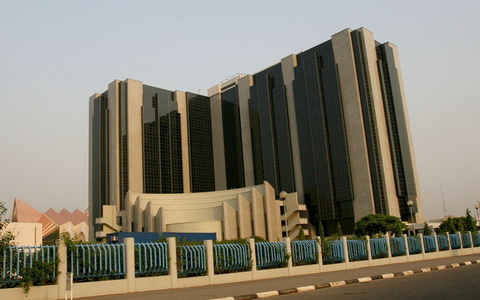
Nigeria’s top bank, the Central Bank of Nigeria (CBN), has disclosed that transactions via Point-of-Sale (PoS) rose to N24 billion ($148 million) in April 2014. The bank had in January 2012, when the service was introduced, recorded N99.6 million ($614,000) in value of total transactions. Deployment of PoS also increased from 5,000 in 2010 to 153,167 in April 2014.
Dr. Kingsley Moghalu, Deputy Governor in charge of Operations for the CBN said this in Nigeria’s commercial hub, Lagos, while speaking on the cash-less policy in a seminar titled ‘Cash-less Nigeria: progress, issues and prospects’, organized by Wilson & Weizmann Associates Limited.
Represented by Aaron Yaguma, CBN’s Shared Services Principal Manager, the deputy governor said that the bank’s cash-lite policy had since its outset in January 2012 recorded remarkable success, with the number of transactions via PoS ramping up the N24 billion recorded at 1.6 million by April 2014 from just 3,197 in 2012.
He noted that out of the licensed 20, 14 operators have gone fully commercial, accounting for 28,090 transactions worth N596,173,990 ($3.7 million) as at April 2014, adding that “More payment terminal service providers have been licensed to facilitate the provision of PoS for merchants who have indicated interest to their banks.”
Looking ahead
Enhanced awareness and education is key, following the success electronic transaction solutions have seen within relatively short period in terms of efficiency and security as well as the reduced cost of banking. Maoghalu said he expects providers of financial products and services to develop innovative solutions, which will suit the country’s low income population.
Targeted Growth
The CBN deputy governor noted that the CBN’s target of 40,000 PoS terminals for 2012 was dwarfed and nothing was stopping it from achieving 440,000 PoS terminals in 2015. With issues bordering on security and efficiency set to be focused on and addressed, more Nigerians are expected to adopt the service in the nearest future.
Source: Ventures Africa