News
CARICOM hits out at EU over blacklisting of member states
Along with the unprecedented task of staging a post-COVID-19 economic recovery, these CARICOM States now have the added burden of being subjected to the EU’s discriminatory tactics disguised as tax policy and governance.
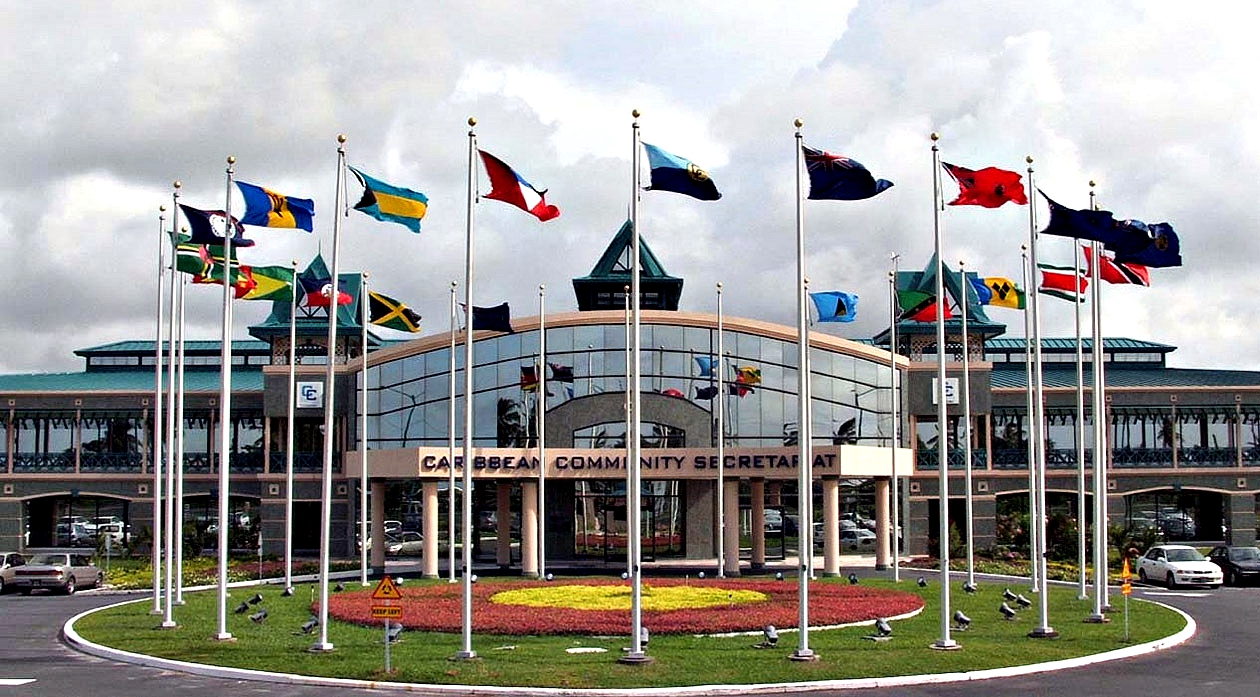
The Caribbean Community (CARICOM) has slammed the “unilateral, arbitrary and non-transparent” blacklisting strategy employed by the European Union (EU) against several member states.
In a statement, the organization said the most recent inclusion of CARICOM member states to its blacklist underscores the EU’s unwillingness to account for the substantial progress they have made regarding compliance with global standards.
It read: “The unquestioned use of ratings from other international bodies as a determining factor in the decision to list a jurisdiction along with the absence of meaningful prior consultation with the affected states negates the spirit of partnership and multilateralism that has characterized the relationship between CARICOM and the EU.
“Along with the unprecedented task of staging a post-COVID-19 economic recovery, these CARICOM States now have the added burden of being subjected to the EU’s discriminatory tactics disguised as tax policy and governance.”
The regional body noted that blacklisting severely affects the economic prospects of the listed states and the Caribbean community, in general, at a time when all of our members are already faced with the disproportionate impact of the COVID-19 pandemic.
The statement continued: “This labeling causes significant reputational risk, erodes our competitive advantage, and discourages the investment that the CARICOM States desperately need to drive inclusive growth and build economic resilience.
“CARICOM calls upon the EU to desist from this harmful practice of blacklisting small states, and instead pursue a mutually collaborative engagement towards our shared goals of effective tax governance and combating money laundering and terrorism financing,” the statement said.
Last week, the EU confirmed The Bahamas’ inclusion on a list of nations deemed to have deficiencies in their anti-financial crime defenses, which makes it “high risk”. A key reason for The Bahamas’ inclusion was its presence on the Financial Action Task Force (FATF)’s monitoring list.
The Bahamas had hoped to be removed from the list; however, COVID-19 intervened to delay that FATF’s on-site visit and inspection.