News
CARICOM Free Movement of People Takes Effect October 1, 2025
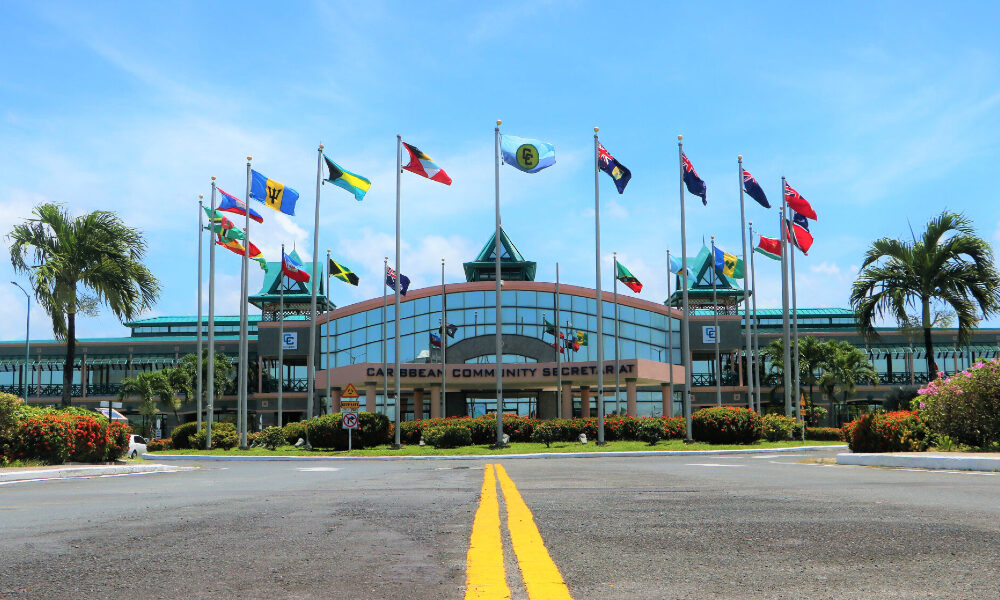
On October 1, 2025, Barbados, Belize, Dominica, and St. Vincent & the Grenadines will implement a landmark free movement agreement – marking the most significant advancement in Caribbean regional integration since the creation of the CARICOM Single Market and Economy (CSME).
Under the new “Enhanced Cooperation in Free Movement” framework, citizens of these four nations can live, work, study, or retire in any participating country without work permits, skills certifications, or time restrictions. Immediate family members—including spouses, dependent children up to age 25 (if in full-time education), and wholly dependent parents – are also eligible to relocate.
Unlike the original CSME, which limited free movement primarily to skilled professionals and business owners, this expanded arrangement grants all citizens equal access to primary healthcare, public education, national insurance, and other social services on par with local residents. Entry may only be denied on grounds of serious security risk or undue financial burden.
The initiative, authorized under the Enhanced Cooperation provisions of the Revised Treaty of Chaguaramas, enables subsets of CARICOM members to accelerate integration when broader consensus lags.
A New Era for Caribbean Mobility
While St. Kitts & Nevis already permits free movement for skilled nationals, regional business leaders – including the Caribbean Private Sector Organization (CPSO) – are urging all 15 CARICOM states to adopt full free movement by year-end.
Dominica Prime Minister Roosevelt Skerrit hailed the move as “a decisive step forward on a matter that has been on the regional agenda for decades,” adding, “Free movement allows us to fill gaps in critical areas while giving our citizens greater access to opportunities across the region. It is a win-win for all.”
Citizens whose rights are denied can file formal complaints through CARICOM’s official grievance mechanism, with forms available at ports of entry and government offices.
The agreement signals a transformative shift toward deeper economic, social, and human integration in the Caribbean – and sets a powerful precedent for the rest of the bloc to follow.