Life
CARICOM and African Union Forge Historic Coalition to Advance Global Reparations Movement
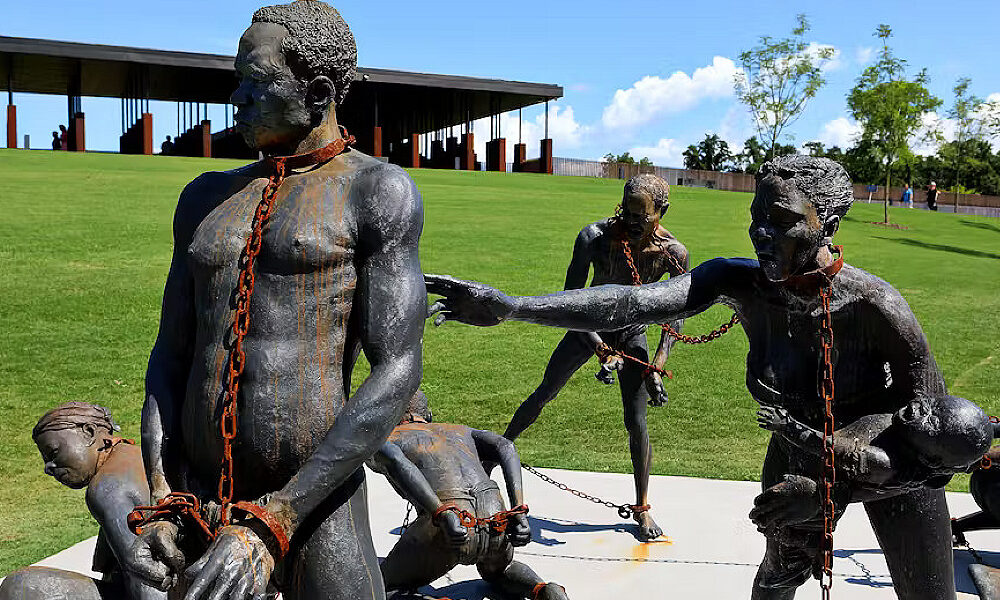
In a landmark move, Caribbean Community (CARICOM) leaders are set to formalize a coalition with the African Union (AU) to amplify global advocacy for reparatory justice, marking a significant escalation in the long-standing campaign for redress for the legacies of slavery and colonialism.
The announcement was made Thursday during the opening session of the 31st meeting of the Regional Cultural Committee (RCC) in Bridgetown, Barbados. The gathering precedes preparations for CARIFESTA XV and brings together cultural leaders from across the Caribbean to shape policy and advance regional priorities.
The timing of the partnership aligns with key international milestones: the United Nations’ declaration of 2025 as the beginning of the Second International Decade for People of African Descent, and the AU’s designation of 2024 as the year for “Justice for Africans and People of African Descent Through Reparations.”
The alliance is expected to bolster the work of the CARICOM Reparations Commission, which has spearheaded the region’s legal and moral case for reparations since 2013. The Commission’s comprehensive ten-point plan calls for a formal apology, debt cancellation, cultural restoration, education reform, and more.
Beverly Harry Emmanuel, Advisor on Social Development at the CARICOM Secretariat, emphasized the vital role of cultural ministries in public education and dialogue.
“Cultural institutions are on the frontlines of helping people reclaim and value their heritage – long suppressed or erased through centuries of oppression,” she said.
She also highlighted regional efforts such as the Creative Caribbean programme, which is currently supporting 78 creatives and entrepreneurs across 15 CARICOM countries through grants, legislative development, and data-driven strategies aimed at growing the creative economy.
As discussions continue in Bridgetown, officials reiterated that cultural development must be linked to broader goals of social justice, climate resilience, and identity preservation.
“This RCC offers an opportunity for reflection, review, and renewal,” Emmanuel concluded. “It remains central to shaping national and regional cultural policy, bringing fresh ideas and perspectives to our shared mission.”