Business
Caribbean nations urged to resist international pressure on tax, regulation, financial centers
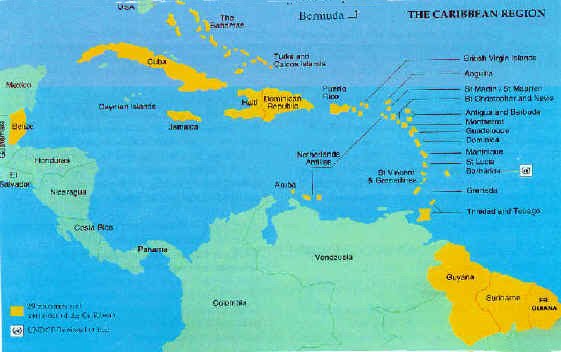
At a two day international conference on the financial services sector in St. John’s, Antigua, a leading international expert has urged Caribbean nations to stand their ground over mounting international pressure in the area of tax and regulation.
Senior Fellow at the Caribbean Policy Research Institute and a Governor of the London School of Economics, Avinash Persaud, speaking at the Caribbean Forum (CARIFORUM) Conference on the International Financial Services Sector in the Caribbean Region, underlined both the importance of the financial services sector to Caribbean economies, which for island nations like Barbados and Antigua & Barbuda accounts for 50 percent of gross domestic product (GDP), and the role of the large economies in undermining the sector.
“They represent a major part of tax revenues. Over the past 10 years they have come under tremendous pressure by the larger economies such as those of London, Zurich, and New York, which are under fiscal pressure themselves with little or no tax revenues and which now want to compete with Caribbean financial centers.”
“They are trying to establish a set of global rules which they decide themselves and then impose on us. Then they judge whether we are fitting with those rules or not. Judge and jury. It is really ad hoc and it is really designed to close down the international financial centers coming from the Caribbean. It is certainly not a level playing field”.
Commenting on the Caribbean nations’ willingness to conform to international standards he added: They have essentially moved land and water to try and comply with the new rules and when they do so, the rules then change again and the costs are extremely burdensome. The cost for the Caribbean financial center complying with international rules is ten times, as a percentage of GDP, the cost of the larger rich countries complying with the rules they have set”.
The Organization for Economic Co-operation and Development (OECD), has pushed for the restriction and, in some cases, the outlawing of offshore legal and tax regimes in the Caribbean, threatening on occasions to blacklist non-complying nations.