Opinion
Caribbean leadership and voices are needed to solve Caribbean problems


By Ryan Elcock
In a world increasingly interconnected yet fraught with challenges, the Caribbean stands at a crossroads. The region, rich in culture and diversity, faces a unique set of challenges, particularly in the realms of climate change and geopolitical disputes.
Historically, the Caribbean has often looked towards global powers like the United States, Canada, and European nations for guidance and assistance. However, recent developments signal a pivotal shift: the Caribbean must, and indeed is, taking the lead in solving its own problems. This shift is not just a matter of regional pride, but a strategic necessity in a changing global landscape.
Climate change: A battle fought on Caribbean shores
The Caribbean’s vulnerability to climate change is indisputable. Rising sea levels, hurricanes, and ecological disruptions pose existential threats to these island nations. The region cannot afford to wait for external solutions. This was detailed by the United Nations Economic Commission for Latin America and the Caribbean (ECLAC), and echoed in a Council on Foreign Relations report, Caribbean nations are actively building resilience against climate-related disasters.
This proactive approach is commendable and necessary. It’s a clear indicator of the region’s growing realization that solutions must be homegrown, leveraging local expertise and experiences.
The Essequibo dispute: A model of regional diplomacy
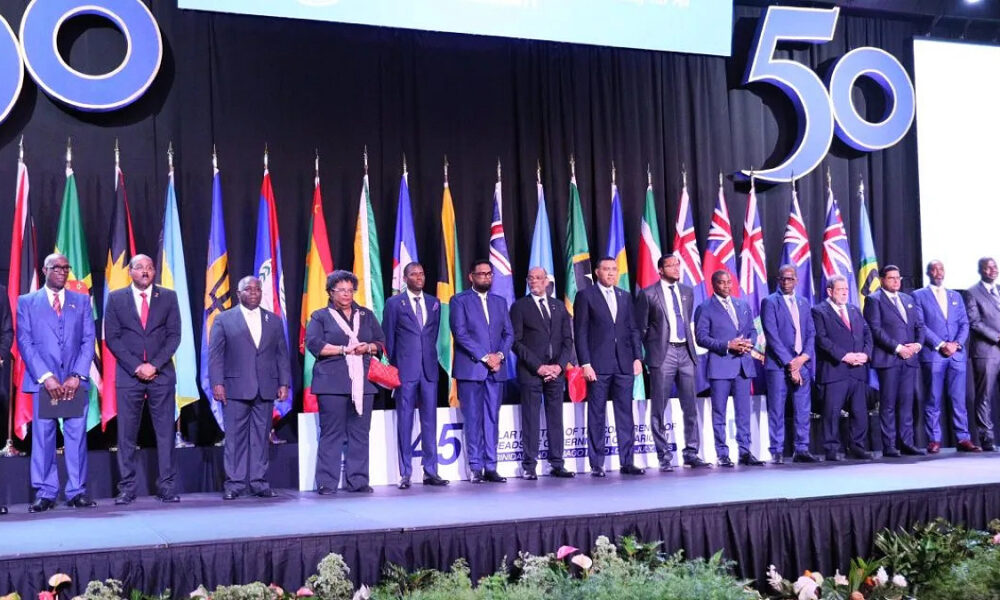
A striking example of this new Caribbean assertiveness is the resolution approach to the Guyana-Venezuela dispute over the Essequibo region. While global powers were limited to issuing statements, as reported by CNN, Caribbean Community (CARICOM) leaders actively engaged in dialogue and diplomacy.
Furthermore, according to Reuters and Al Jazeera, this initiative demonstrates the Caribbean’s capacity to handle complex geopolitical issues effectively. The agreement between Guyana and Venezuela, facilitated by CARICOM, as detailed in The Habari Network and Caribbean Today, is a testament to the power of regional diplomacy and could serve as a model for Latin America and Africa.
The way forward: Unity, Self-Reliance, and setting a Global Precedent
The growing voice of CARICOM in regional affairs also mirrors the shifting dynamics of global leadership. According to research by Global Americans, the traditional influence of America, Canada, and Europe is waning in certain aspects, giving way to the need for more localized, regional governance structures. Such a shift is not an indictment of these global powers but a natural evolution towards a more multipolar world where regional blocs play significant roles in addressing their unique challenges.
Caribbean nations must capitalize on their shared cultural and historical bonds to foster unity and collective action.
In doing so, not only will they safeguard their interests, but the Caribbean will also set a precedent for other regions grappling with similar challenges. This emerging leadership in addressing regional challenges is a crucial development. It’s a call to action for Caribbean nations to continue forging their path, rooted in a deep understanding of their unique circumstances and bolstered by the collective strength of regional cooperation. The Caribbean region’s voice is not just essential for its people; it is a valuable addition to the global chorus addressing the pressing issues of our time.